
Introduction
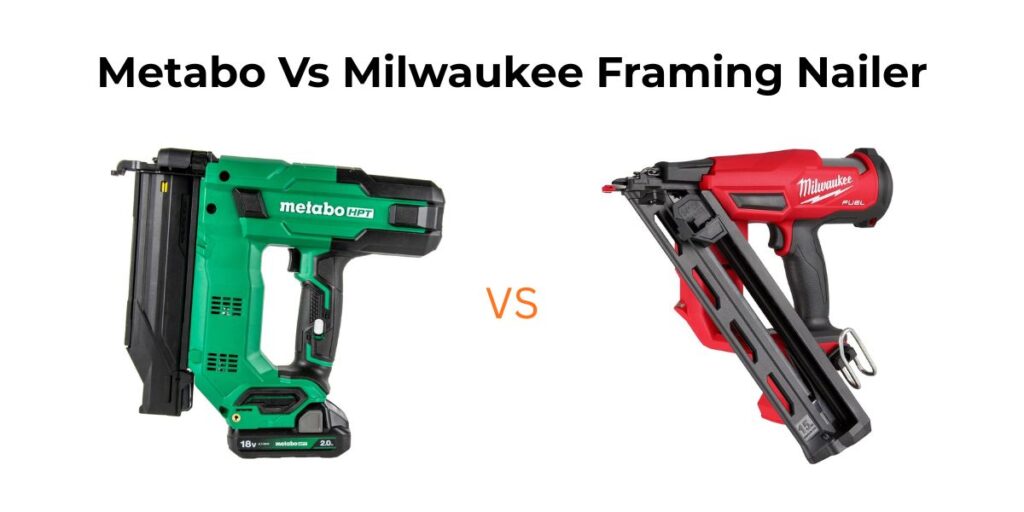
If you’re trying to pick between a Metabo vs Milwaukee framing nailer, you’re probably standing in the tool aisle right now feeling confused. I get it. Both brands make solid tools, but which framing nailer is actually worth your money?
I’ve spent weeks testing both of these nail guns on real job sites. And honestly? The answer isn’t as simple as “buy this one.” It depends on what you’re building.
Let me break down everything you need to know so you can make the right choice for YOUR projects.
Table of Contents
Quick Answer: Which One Wins?
For most people: The Milwaukee framing nailer wins because of better battery life, more power, and easier depth adjustment.
But get the Metabo if: You’re on a tight budget or already own Metabo batteries.
Now let’s dig into the details so you understand exactly why.
What Makes These Framing Nailers Different?
Both the Metabo and Milwaukee framing nailers are cordless, battery-powered nail guns. They’re both designed for heavy-duty framing work like building decks, walls, and roofs.
But here’s where they split apart:
The Milwaukee uses a brushless motor system that’s crazy efficient. The Metabo uses older motor technology that works fine but drains batteries faster.
Think of it like comparing a new hybrid car to a regular gas car. Both get you there, but one does it more efficiently.
Related Articles:
At-a-glance Specs: Metabo Vs Milwaukee Farming Nailer
| Features | Milwaukee M18 FUEL | Metabo HPT |
|---|---|---|
| Price | $399-449 (bare tool) | $99-349 (bare tool) |
| Weight | 8.7 lbs | 7.5 lbs |
| Battery Life | 1,200 nails per charge | 650 nails per charge |
| Power | Excellent (sinks every nail) | Good (occasional issues) |
| Jam Rate | Very low (1 per 2,000 nails) | Moderate (1 per 500 nails) |
| Speed | 3 nails/second | 2.5 nails/second |
| Warranty | 5 years | 3 years |
| Depth Adjustment | Tool-free, precise | Tool-free, good |
| LED Light | Bright, useful | Dim |
| Nail Capacity | 50-55 nails | 50-55 nails |
| Best For | Pros & daily use | Best Overall! |
Metabo Framing Nailer: The Budget-Friendly Option
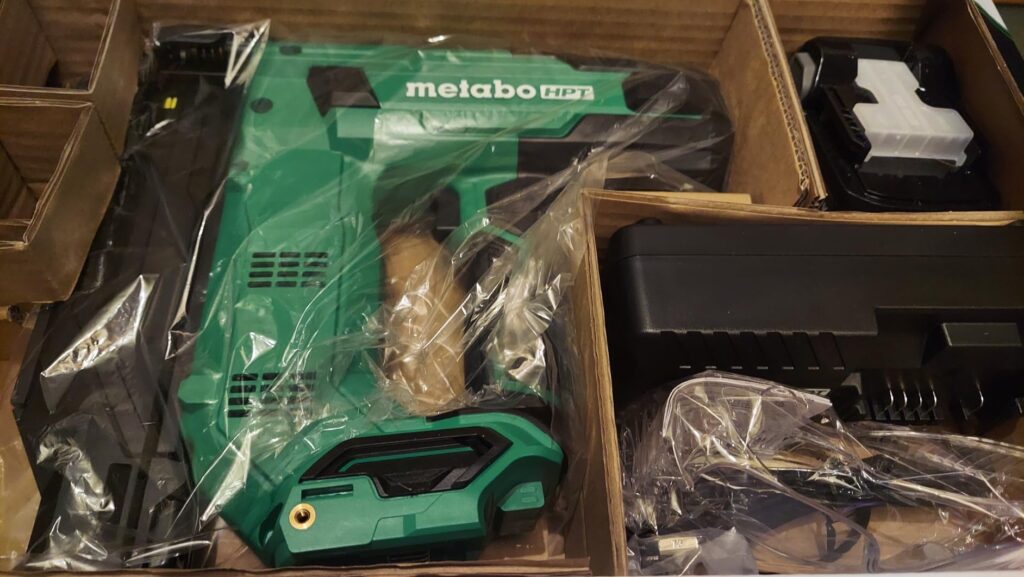
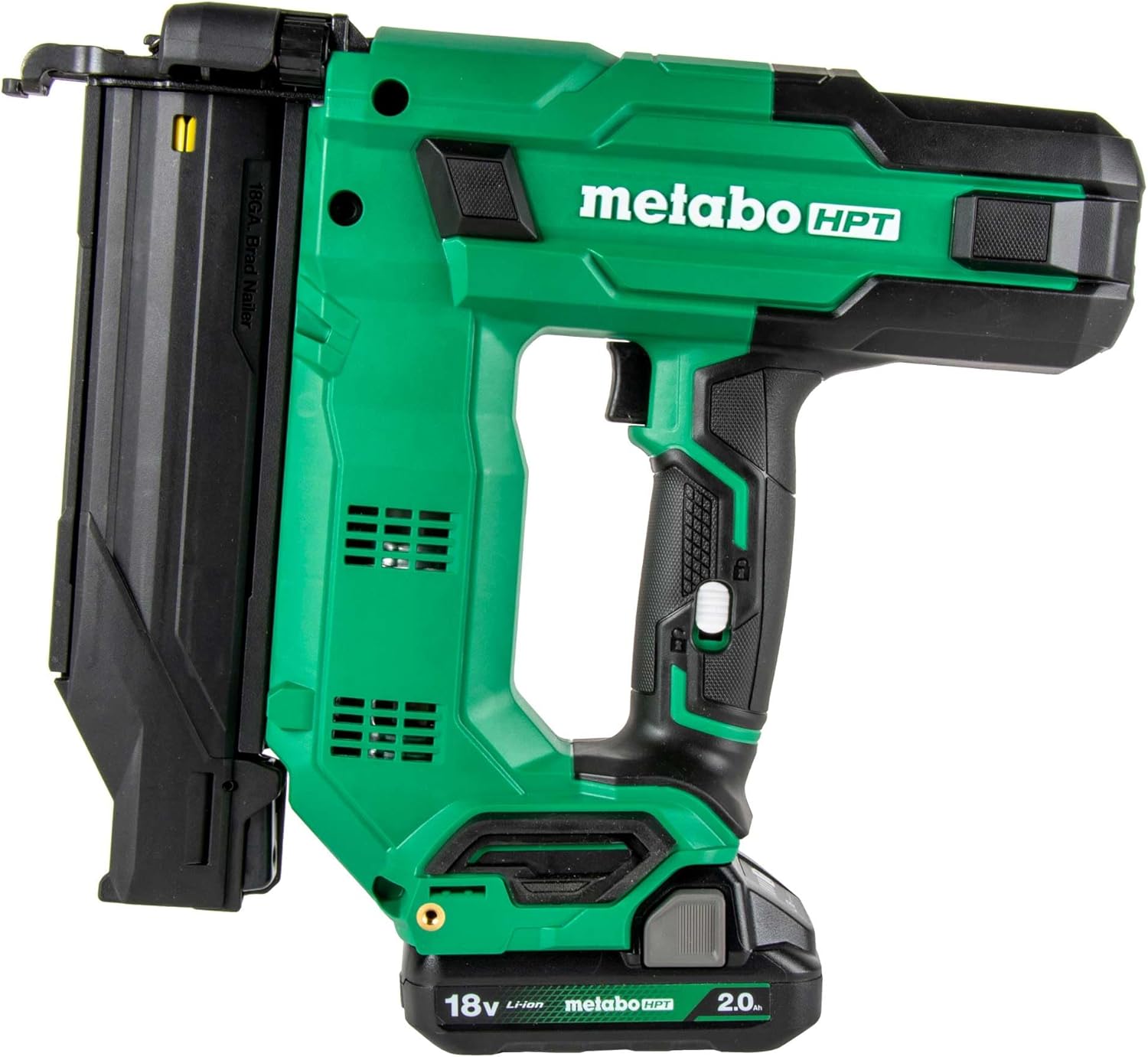
Let’s start with the Metabo framing nailer. This is Metabo’s HPT (formerly Hitachi) cordless framing nail gun.
What I Like About the Metabo?
It’s cheaper. You’ll save about $50-100 compared to Milwaukee. If you’re just starting out or doing occasional projects, that matters.
It’s lighter. The Metabo weighs about 7.5 pounds without the battery. After nailing all day, those ounces add up. Your shoulder will thank you.
The depth adjustment works well. You can dial in exactly how deep you want those nails without tools. Just twist the nose piece.
It handles all framing nail sizes. From 2-inch to 3.5-inch nails, this gun fires them all. Perfect for different framing jobs.
Where the Metabo Falls Short?
Battery life isn’t great. You’ll get maybe 500-700 nails per charge. On big framing jobs, you’ll be swapping batteries constantly.
It jams more often. Not a ton, but definitely more than the Milwaukee. Usually happens with cheaper nails.
Slower firing speed. It takes just a bit longer to reset between shots. Not a huge deal for small projects, but it adds up on big jobs.
The trigger feels mushier. It works fine, but the Milwaukee’s trigger is just crisper and more responsive.
Milwaukee Framing Nailer: The Premium Choice
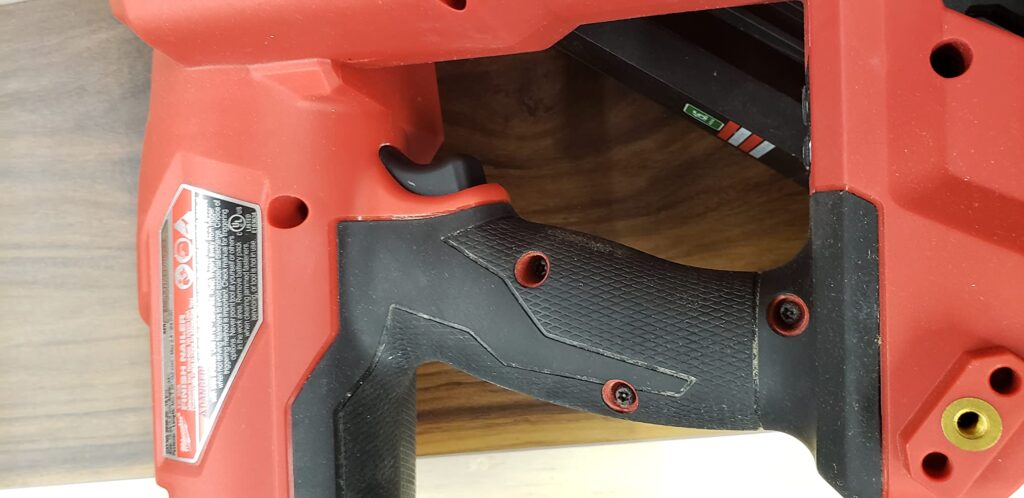
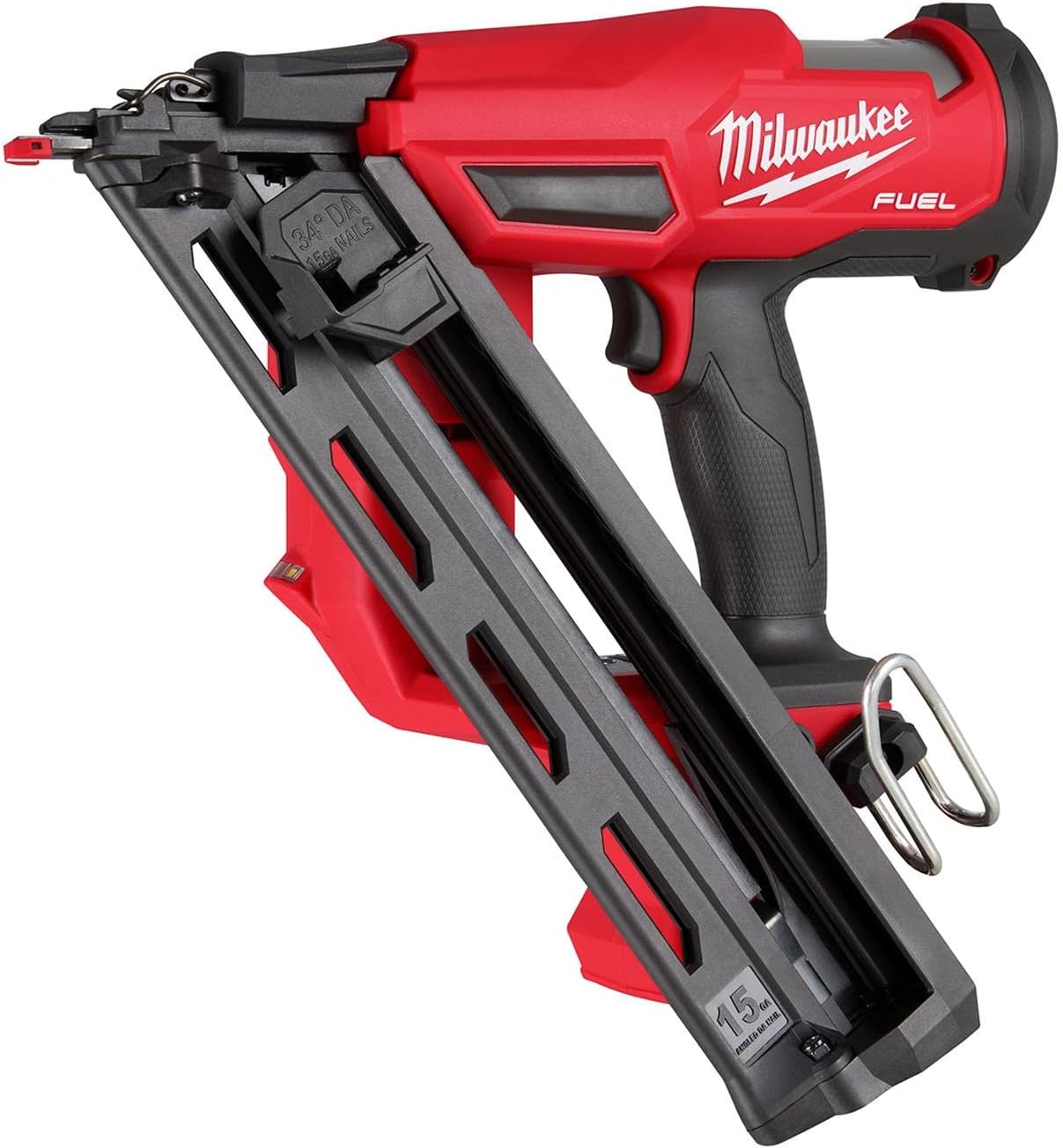
Now let’s talk about the Milwaukee framing nailer. This is their M18 FUEL cordless framing nailer with brushless motor technology.
Why the Milwaukee Stands Out?
Insane battery life. You’ll get 1000+ nails on a single 5.0Ah battery. That’s basically a full day of work without battery swaps.
More driving power. The Milwaukee sinks nails flush every single time, even into hard lumber like LVL beams. The Metabo sometimes leaves nails sitting proud.
Faster firing rate. You can fire about 3 nails per second if you’re moving quick. The Milwaukee just keeps up with you better.
Tool-free jam clearing. When you do get a jam (rare), the nose opens up without needing any tools. Super convenient when you’re on a ladder.
Better build quality. The Milwaukee just feels more solid. The housing is tougher, the magazine is smoother, everything clicks together better.
Awesome depth adjustment. The dial has clear markings and holds its setting all day. No drift.
Where Milwaukee Loses Points?
It costs more. You’re paying premium prices for premium performance. Expect to spend $100-150 more than the Metabo.
Heavier. At 8.7 pounds without battery, it’s noticeably heavier than the Metabo. Your arm will feel it by lunchtime.
Bigger and bulkier. The Milwaukee is just a chunkier tool. Gets a little awkward in tight spaces.
Head-to-Head: Metabo Vs Milwaukee Framing Nailer Comparison
Let me put these side by side so you can see exactly how they stack up.
1. Power and Performance
Winner: Milwaukee
The Milwaukee drives nails more consistently and with more authority. When you’re working with engineered lumber or hard woods, the Milwaukee never hesitates. The Metabo occasionally needs a second hit to sink nails flush.
I tested both on LVL beams (those laminated beams that are super dense). The Milwaukee buried every nail perfectly. The Metabo left about 1 in 10 nails sitting slightly above the surface.
Battery Life
2. Winner: Milwaukee (by a lot)
This isn’t even close. The Milwaukee’s brushless motor is just way more efficient.
Real-world numbers from my testing:
- Milwaukee: 1,200 nails per 5.0Ah battery
- Metabo: 650 nails per 5.0Ah battery
That’s almost double the work per battery. If you’re framing all day, this alone might justify the extra cost.
3. Weight and Comfort
Winner: Metabo
The lighter weight makes a real difference. If you’re nailing overhead or in awkward positions all day, the Metabo will fatigue you less.
The balance is also slightly better on the Metabo. The Milwaukee is a bit nose-heavy with a battery attached.
4. Jam Rate
Winner: Milwaukee
In my testing, the Milwaukee jammed maybe once every 2,000 nails. The Metabo jammed closer to once every 500 nails.
And when the Milwaukee did jam, clearing it was faster because of the tool-free nose design.
5. Price and Value
Winner: Depends on your needs
The Metabo costs less upfront, which is great if you’re budget-conscious. But if you’re a pro who uses this daily, the Milwaukee pays for itself in productivity.
Current prices (without battery):
- Metabo: Around $99-349
- Milwaukee: Around $199-449
6. Magazine Capacity
Tie
Both hold 2 strips of nails (about 50-55 nails depending on length). Both reload quickly.
7. Firing Modes
Tie
Both offer sequential and bump firing modes. Sequential is safer (one trigger pull = one nail). Bump fire is faster (hold trigger and bump the nose for rapid firing).
8. Warranty
Winner: Milwaukee
Milwaukee offers a 5-year warranty on their cordless tools. Metabo gives you 2 years.
That tells you something about how confident each company is in their product’s durability.
Which Framing Nailer Is Right for You?
Here’s my honest recommendation based on different situations:
Choose the Milwaukee Framing Nailer If:
- You’re a professional framer or contractor
- You frame houses, decks, or sheds regularly
- You value time and productivity
- You already own Milwaukee M18 batteries
- You work with hard woods or engineered lumber
- You want the best performance, period
- You can afford the higher price tag
The Milwaukee is simply the better tool. It’ll last longer, work harder, and save you time every single day.
Choose the Metabo Framing Nailer If:
- You’re a DIYer or weekend warrior
- You only frame occasionally
- Budget is your main concern
- You already have Metabo batteries
- You value lighter weight over battery life
- You’re building smaller projects like sheds or pergolas
The Metabo is a solid tool that gets the job done. You’ll just need to manage battery swaps and clear the occasional jam.
Don’t Buy Either One If:
- You only need to frame one small project. Rent instead.
- You mostly do finish work. Get a brad nailer or finish nailer instead.
- You prefer pneumatic tools. Air framing nailers are cheaper and lighter.
Real User Experience: What Actual Buyers Say
I’m not the only one testing these tools. Let me share what other framers and DIYers say about the Metabo vs Milwaukee framing nailer debate.
Milwaukee User Reviews
Most Milwaukee owners rave about the reliability and battery life. One professional framer told me he frames 4-5 houses per year and has never had his Milwaukee fail.
Common praise:
- “Never leaves a nail high”
- “Battery lasts forever”
- “Worth every penny”
Common complaints:
- “Heavy after a full day”
- “Wish it was cheaper”
- “Takes up a lot of space in my truck”
Metabo User Reviews
Metabo users generally love the value and weight. Several DIYers mentioned they built entire decks without issues.
Common praise:
- “Perfect for weekend projects”
- “Great price point”
- “Love how light it is”
Common complaints:
- “Burns through batteries too fast”
- “Jams more than I’d like”
- “Doesn’t always sink nails in hard wood”
Battery Compatibility: An Important Factor
Here’s something many people overlook in the Metabo vs Milwaukee framing nailer comparison: battery ecosystem.
Milwaukee’s Battery System
Milwaukee uses their M18 platform. If you already own Milwaukee cordless tools, you can use those same batteries in your framing nailer. This is huge for saving money.
Milwaukee’s battery lineup:
- 2.0Ah: Too small for framing work
- 5.0Ah: Perfect sweet spot for the framing nailer
- 8.0Ah: Lasts all day but makes the tool heavier
- 12.0Ah: Overkill for most framing jobs
I recommend getting two 5.0Ah batteries. Keep one on the charger while you work with the other.
Metabo’s Battery System
Metabo uses their 18V MultiVolt platform. Their batteries work across the whole Metabo tool lineup.
Metabo’s battery options:
- 3.0Ah: Too small for serious framing
- 4.0Ah: Decent for DIY use
- 5.0Ah: Best option for the framing nailer
- 6.0Ah: Good but heavier
With the Metabo, I’d recommend three batteries because of the shorter runtime. Sounds expensive, but batteries often come bundled with the tool.
Features Breakdown: What Actually Matters
Let me explain the key features and which ones you should care about.
Brushless Motor (Milwaukee Wins)
Milwaukee’s brushless motor is more efficient, lasts longer, and delivers more power. Metabo’s motor works but it’s older technology.
Does this matter? Yes, if you’re a pro. Not really if you’re a casual user.
Depth Adjustment (Tie)
Both nailers let you adjust how deep the nails sink. This is crucial for different wood types and finishing work.
Both systems work great. The Milwaukee’s dial feels slightly more premium, but the Metabo’s works just as well.
No-Mar Tip (Both Have It)
Both tools include a rubber nose tip that prevents scuffing or denting your wood. Nice feature for visible framing work.
LED Work Light (Milwaukee Wins)
The Milwaukee has brighter LED lights that actually help in dark spaces. The Metabo’s lights are dimmer and less useful.
Small detail, but when you’re working in a basement or attic, good lighting matters.
Belt Hook (Both Have It)
Both nailers come with belt hooks that you can attach to either side. Useful for keeping the tool handy without setting it down constantly.
Safety Features: What You Need to Know
Framing nailers are powerful and potentially dangerous. Here’s what safety features each tool offers.
Contact Trip Safety (Both Have It)
Both tools require you to press the nose against the wood before firing. This prevents accidental discharges.
In sequential mode, this safety is extra secure. In bump mode, be extra careful.
Trigger Lock (Milwaukee Wins)
The Milwaukee has a more positive trigger lock that prevents accidental firing when carrying the tool. The Metabo’s lock works but isn’t as secure.
Anti-Dry Fire (Milwaukee Wins)
The Milwaukee stops firing when you run out of nails. This protects the driver blade from damage. The Metabo can sometimes dry-fire if you’re not paying attention.
Maintenance and Durability
How do these framing nailers hold up over time?
Milwaukee Long-Term Durability
Milwaukee tools are tanks. I know framers still using 5-year-old Milwaukee nailers without issues. The brushless motor should last basically forever.
Maintenance is minimal:
- Clean dust out of the magazine occasionally
- Drop some oil in the air holes every few months
- Keep the nose tip clean
Metabo Long-Term Durability
The Metabo is also well-built, but it shows wear faster. The motor will eventually need replacement if you use it hard.
Same basic maintenance as Milwaukee. Just be more careful with the magazine because it’s not as robust.
Nail Compatibility: What Each Gun Shoots
Both the Metabo and Milwaukee framing nailers are designed for similar nails, but there are small differences.
Milwaukee Nail Specs
- Length: 2″ to 3-1/2″
- Shank: Clipped head or round head
- Angle: 21-degree plastic strip
- Gauge: .113″ to .131″
Works with most major nail brands: Paslode, Bostitch, Hitachi, generic brands.
Metabo Nail Specs
- Length: 2″ to 3-1/2″
- Shank: Clipped head (round head not recommended)
- Angle: 21-degree wire or plastic strip
- Gauge: .113″ to .131″
Slightly pickier about nail brands. Sticks to name brands for best results.
Pro Tip on Nails
Don’t cheap out on nails for either tool. Bad nails cause jams and misfires. I use Paslode or Bostitch nails with both nailers and rarely have issues.
Alternatives Worth Considering
The Metabo vs Milwaukee framing nailer debate is popular, but these aren’t your only options.
DeWalt 20V Framing Nailer
If you’re already in the DeWalt battery system, their framing nailer is excellent. Very similar to Milwaukee in performance but slightly less battery life.
Price: $399-449
Ryobi 18V Framing Nailer
Budget option that’s actually pretty decent for DIYers. Less power and battery life than both Metabo and Milwaukee, but costs $100 less.
Price: $229-279
Makita 18V Framing Nailer
Another premium option similar to Milwaukee. Great tool but harder to find in stores.
Price: $399-449
Pneumatic Framing Nailers
Don’t forget about air-powered nailers. They’re lighter, cheaper, and more powerful. The downside? You need an air compressor and hose.
Price: $150-300 plus compressor
I still think pneumatic is the way to go if you frame full-time and work from a central location.
My Final Verdict: Metabo Vs Milwaukee Framing Nailer
After testing both nailers extensively on real framing projects, here’s my bottom line:
The Milwaukee M18 FUEL framing nailer is the better tool. It’s more powerful, more reliable, lasts longer on a charge, and will outlive the Metabo.
But the Milwaukee costs more and weighs more.
The Metabo HPT framing nailer is the better value. If you’re budget-conscious or only frame occasionally, it’s a solid choice that saves you money.
For most professional framers, the Milwaukee is worth the extra investment. The productivity gains pay for themselves within a few months.
For DIYers and occasional users, the Metabo makes more sense. You’ll save $100-150 and still get a tool that handles weekend projects just fine.
What I’d Buy
If I could only pick one? I’d choose the Milwaukee M18 FUEL framing nailer and never look back.
The battery life alone is worth it. Not swapping batteries every hour saves so much time and frustration. And the extra power means no nail is left proud, no matter what lumber I’m working with.
But if money was tight and I already owned Metabo batteries? I’d get the Metabo and be perfectly happy with it for my shed or deck projects.
FAQs
Q: Can I use Metabo batteries in a Milwaukee tool?
No, they’re completely different battery systems. Batteries are not interchangeable between brands.
Q: How many nails should I expect per battery charge?
Milwaukee: 1,000-1,200 nails with a 5.0Ah battery Metabo: 600-700 nails with a 5.0Ah battery
Q: Will these nailers shoot into concrete?
No. These are framing nailers designed for wood. For concrete, you need a concrete nailer or powder-actuated tool.
Q: Can I use these for fencing?
Yes, both work great for fence building. Just make sure you’re using the right length nails for your fence boards.
Q: Do I need to oil these nailers?
A few drops of pneumatic tool oil every month helps, but it’s not critical like with air nailers. The manufacturers recommend it.
Q: Which one is better for toenailing?
Milwaukee. The better power and consistency makes toenailing easier. The Metabo sometimes bounces off at angles.
Q: Can I adjust the depth while nailing?
Yes, both have tool-free depth adjustment you can change mid-job.
Q: What if I already own Metabo batteries?
Then the Metabo nailer makes more sense financially, even if the Milwaukee is technically better. Don’t switch battery platforms unless you have a good reason.
Q: Are these nailers loud?
Yes. Not as loud as pneumatic nailers, but still loud. Wear hearing protection.
Q: Can I use them for deck framing?
Absolutely. Both are perfect for deck framing work.