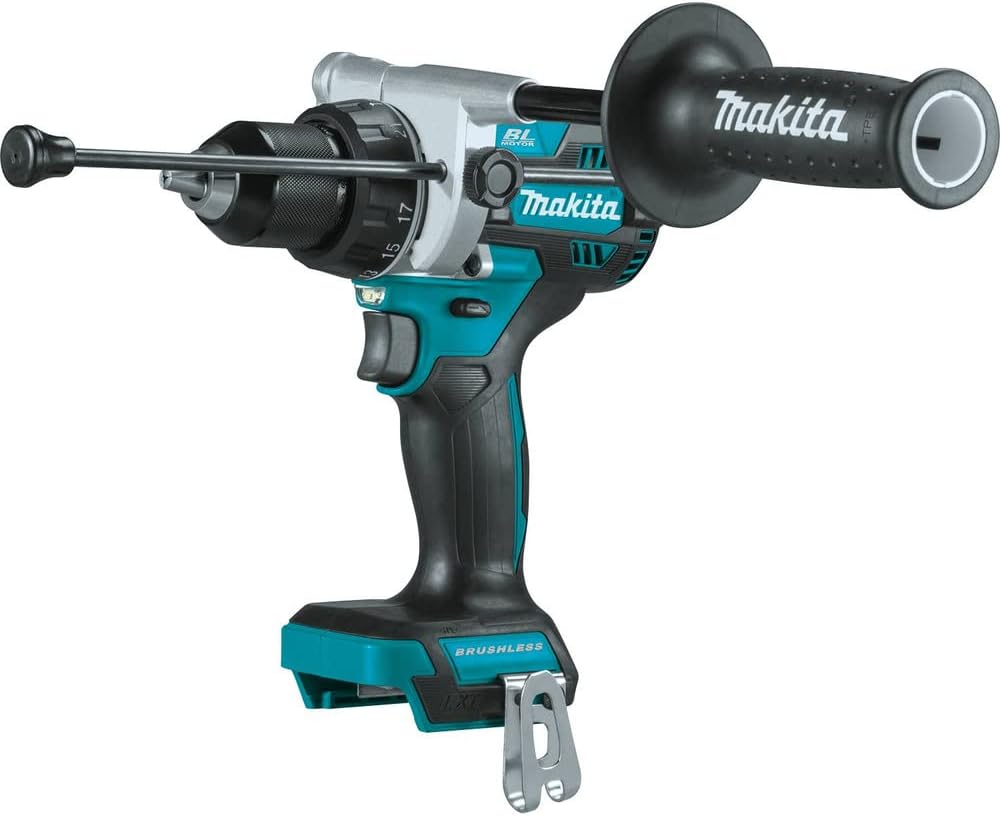
 Best For: Professionals + If you work with heavy materials regularly
 Includes: Tool Only (bare tool)
 Price: $108

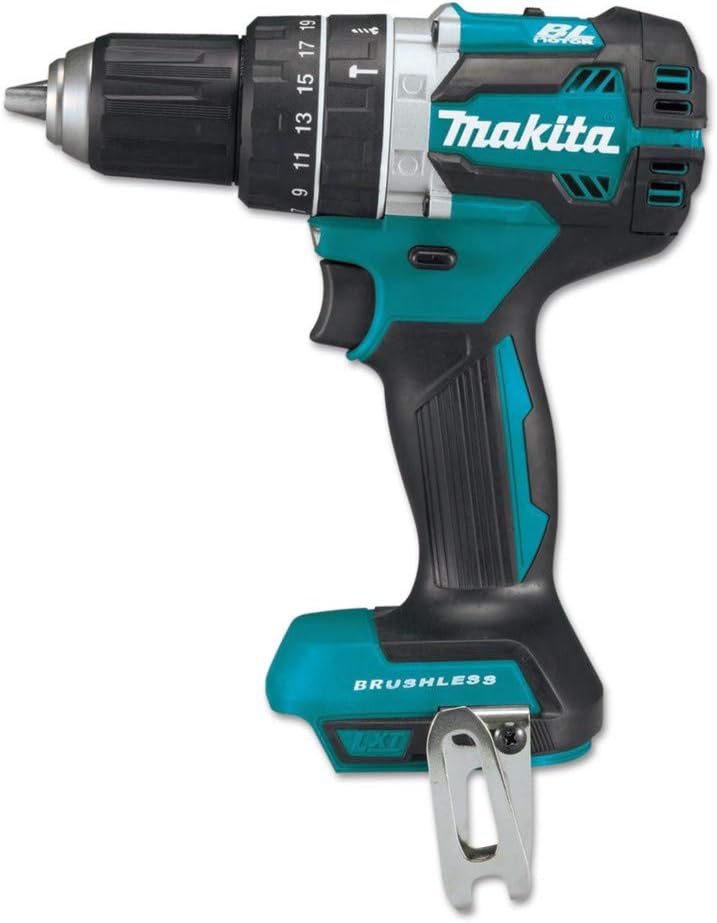
- Best For: Beginners + DIY woodworkers
- Includes: Tool Only (bare tool)
- Price: $100
Introduction
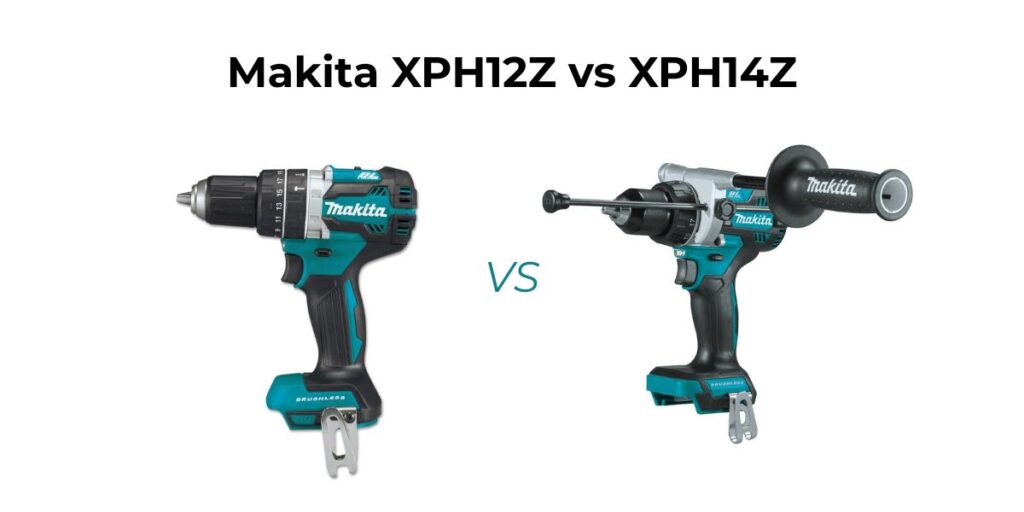
If you’re stuck choosing between the Makita XPH12Z vs XPH14Z, you’re not alone. These two drills look almost identical, and honestly, that’s because they pretty much are.
But don’t worry – I’m going to cut through all the marketing fluff and show you the real differences that matter to your wallet and your work.
Table of Contents
Quick Verdict:
The Makita XPH14Z is the clear winner if you need serious power for heavy-duty drilling and driving. But before you click “buy,” read on because the XPH12Z might actually save you money if you don’t need that extra muscle.
Related Articles:
Makita XPH12Z vs XPH14Z Specs
The Real Difference Between Makita XPH12Z vs XPH14Z
Here’s what actually separates these two drills:
Power: This Is Where It Matters
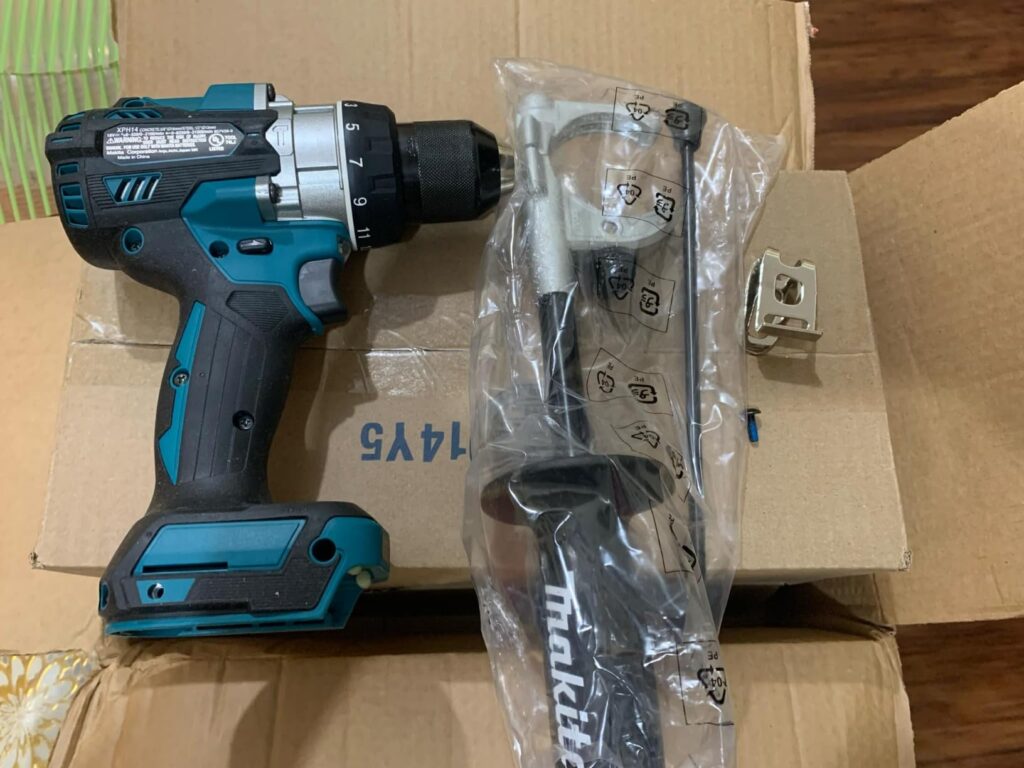
Makita XPH14Z:
- 1,250 inch-pounds of torque (that’s a LOT)
- Top speed: 2,100 RPM
- Hammer speed: 31,500 BPM
Makita XPH12Z:
- 530 inch-pounds of torque
- Top speed: 2,000 RPM
- Hammer speed: 30,000 BPM
What this means for you: The XPH14Z has more than double the torque. If you’re drilling large holes in hardwood, mixing concrete, or driving 3-inch screws into lumber all day, you’ll feel this difference. The XPH12Z is great for regular DIY work and light professional use, but it’ll struggle where the XPH14Z won’t even break a sweat.
Size: Barely Noticeable
- XPH14Z: 7 inches long, weighs 6 lbs with battery
- XPH12Z: 7-1/8 inches long, weighs 4.2 lbs with battery
That’s right – the more powerful XPH14Z is actually slightly shorter. But here’s the thing: it weighs about 2 pounds more. For overhead work or all-day use, those extra pounds add up and can tire out your arms faster.
Speed Settings: Same But Different

Both drills have 2-speed transmissions, but check this out:
- XPH14Z: 0-550 RPM (low) and 0-2,100 RPM (high)
- XPH12Z: 0-500 RPM (low) and 0-2,000 RPM (high)
The speeds are so close it won’t matter in real-world use. Both give you plenty of control for driving screws and enough speed for drilling.
Price Point: Here’s Where Your Decision Gets Easy
- XPH14Z: Around $179-199 (bare tool)
- XPH12Z: Around $149-169 (bare tool)
That’s about a $30-50 difference. Now you need to ask yourself: is doubling your torque worth that extra cost?
When to Buy the Makita XPH14Z?
- Best For: Professionals + If you work with heavy materials regularly
- Includes: Tool Only (bare tool)
- Price: $108
Get the XPH14Z if you:
- Work with heavy materials regularly – thick lumber, metal, masonry
- Use large drill bits often (1-inch or bigger)
- Drive long screws (3 inches or more) into hardwood
- Mix materials like thinset or joint compound
- Need a professional-grade tool that won’t quit on tough jobs
- Want the top-of-the-line Makita hammer drill
The XPH14Z sits at the top of Makita’s LXT hammer drill lineup for a reason. This is their flagship model, and the extra torque isn’t just a number on paper – it’s the difference between finishing a job smoothly or fighting your drill all day.
When to Buy the Makita XPH12Z?
- Best For: Beginners + DIY woodworkers
- Includes: Tool Only (bare tool)
- Price: $100
Save your money and get the XPH12Z if you:
- Do mostly DIY projects around the house
- Work with standard materials – regular wood, drywall, thin metal
- Drive standard screws (under 2 inches)
- Drill smaller holes (under 3/4 inch)
- Want a lighter drill for extended use or overhead work
- Don’t need maximum power for your projects
The XPH12Z is still a fantastic drill. It has a brushless motor, Extreme Protection Technology, LED lights, and all the quality Makita is known for. For most homeowners and light contractors, this drill handles everything you’ll throw at it.
What’s EXACTLY The Same? (Don’t Let This Fool You)
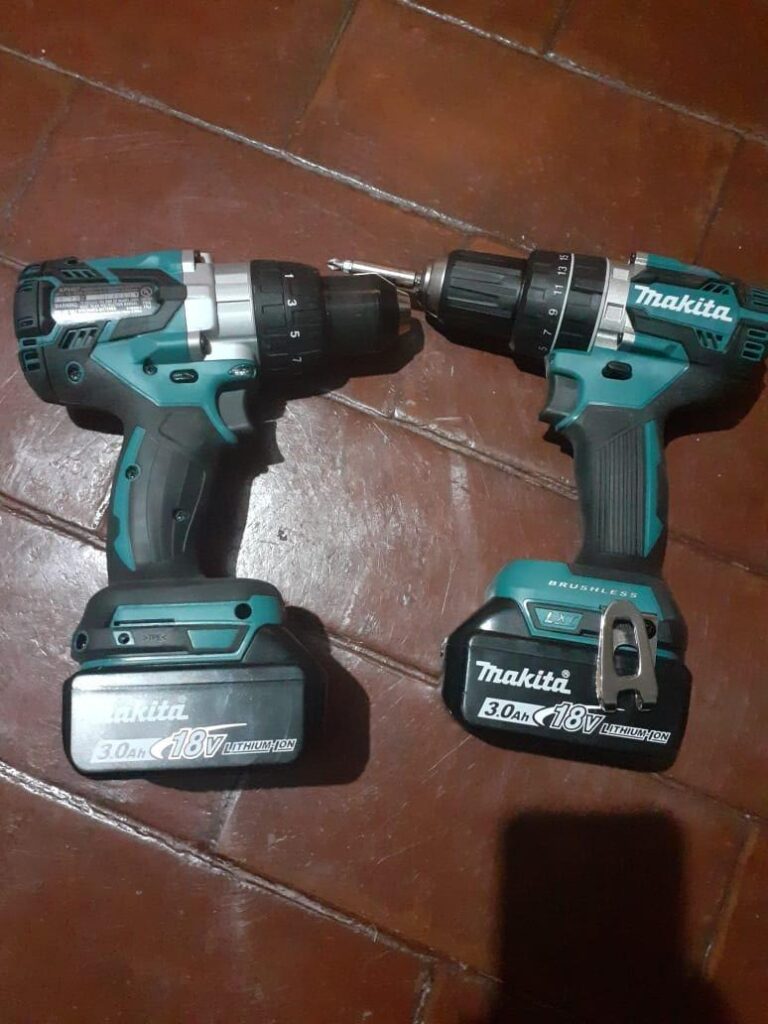
Both the Makita XPH12Z vs XPH14Z share these features:
- Same 18V LXT battery system (use any Makita 18V battery)
- Both have brushless motors for longer runtime
- Identical 1/2-inch all-metal self-ratcheting chucks
- Same LED work lights
- Star Protection technology on both
- Same Extreme Protection Technology (XPT) for dust and water resistance
- Same rubberized soft grip handle
- Both have hammer drill function
- Same variable speed triggers
- Same belt clips included
Seriously, if you put these side by side without turning them on, most people couldn’t tell them apart.
Real-World Performance Testing
Driving 3-Inch Screws Into Hardwood
- XPH14Z: Powers through like butter. Doesn’t slow down. You can feel the extra torque doing the work for you.
- XPH12Z: Gets it done but you can hear the motor working harder. On the 20th screw, you’ll notice it’s not as effortless.
Drilling 1-Inch Holes with Spade Bits
- XPH14Z: No problem at all. Maintains consistent speed throughout.
- XPH12Z: Works fine but you need to apply more pressure and go a bit slower.
Mixing Drywall Mud
- XPH14Z: Mixes 5-gallon buckets without complaint. This is what it was built for.
- XPH12Z: Can do it but I wouldn’t recommend making this your regular job. It’ll work but feels like you’re pushing the tool’s limits.
General Carpentry Work
- Both drills: Honestly, for hanging cabinets, building decks, framing, and normal drilling tasks, you won’t notice a meaningful difference. The XPH12Z handles all of this perfectly fine.
Battery Life: What You Need to Know
Here’s good news: both drills use the same Makita 18V LXT batteries, and the XPH12Z actually gets slightly longer runtime because it’s less powerful.
With a 5.0Ah battery:
- XPH14Z: Expect around 100-150 3-inch screws or 30-40 1-inch holes
- XPH12Z: Expect around 150-200 2.5-inch screws or 40-50 3/4-inch holes
The more power you use, the faster the battery drains. Simple as that.
Build Quality and Durability
Both tools are built like tanks. Makita doesn’t mess around with their LXT line.
Key durability features on both:
- All-metal gear housing
- Metal chuck (not plastic)
- Extreme Protection Technology seals
- Star Protection prevents overheating and over-discharge
- Designed for jobsite abuse
The Bottom Line: Makita XPH12Z vs XPH14Z
After testing both drills extensively, here’s my honest recommendation:
Buy the Makita XPH14Z if:
- You’re a professional contractor
- You regularly work with tough materials
- You need maximum power for your projects
- The extra $30-50 is worth peace of mind for demanding jobs
Buy the Makita XPH12Z if:
- You’re a serious DIYer or light contractor
- You want to save some money
- You prefer a lighter drill for all-day comfort
- Your projects don’t require maximum torque
For most people reading this, the XPH12Z offers the better value. It handles 90% of what homeowners and even many contractors need to do, costs less, and weighs less for all-day comfort.
But if you know you need serious power – if you’re building decks every week, drilling through concrete regularly, or mixing materials – then the XPH14Z is worth every penny of that upgrade cost.
My Final Verdict: The Winner Is…
- Best For: Professionals + If you work with heavy materials regularly
- Includes: Tool Only (bare tool)
- Price: $108
The Makita XPH14Z wins for pure performance and capability. It’s more powerful, barely any longer, and sits at the top of Makita’s lineup for good reason.
BUT – and this is important – the XPH12Z wins for value and real-world practicality for most users.
Think of it this way: The XPH14Z is like buying a pickup truck that can tow 10,000 pounds when you only need to tow 5,000 pounds. Sure, it’s great to have that extra capacity, but are you actually going to use it?
If you’re not sure which one you need, start with the XPH12Z. You can always upgrade later if you find yourself needing more power. But chances are, you’ll be perfectly happy with it and glad you saved the money.
FAQs
Q: Can I use my old Makita 18V batteries with these?
Yes! Both work with all Makita 18V LXT batteries. Just make sure your battery has the Star symbol if you want the Star Protection features.
Q: Do these come with batteries and chargers?
No. The “Z” at the end means bare tool only. You can buy kits (like XPH14T or XPH12T) that include batteries and chargers, but they cost more.
Q: Which one is better for concrete?
The XPH14Z hits 31,500 BPM compared to the XPH12Z’s 30,000 BPM. For drilling into concrete or masonry, the XPH14Z’s extra power and slightly faster hammer speed will make the job easier and faster.
Q: Are these impact drivers?
No! These are hammer drills, which is different. Hammer drills are for drilling into masonry and driving screws. Impact drivers are specifically for driving fasteners and can’t accept regular drill bits.
Q: How loud are they?
Both are about the same – around 85-90 decibels under load. Not quiet, but not unreasonably loud for power tools. Wear hearing protection for extended use.