
Introduction
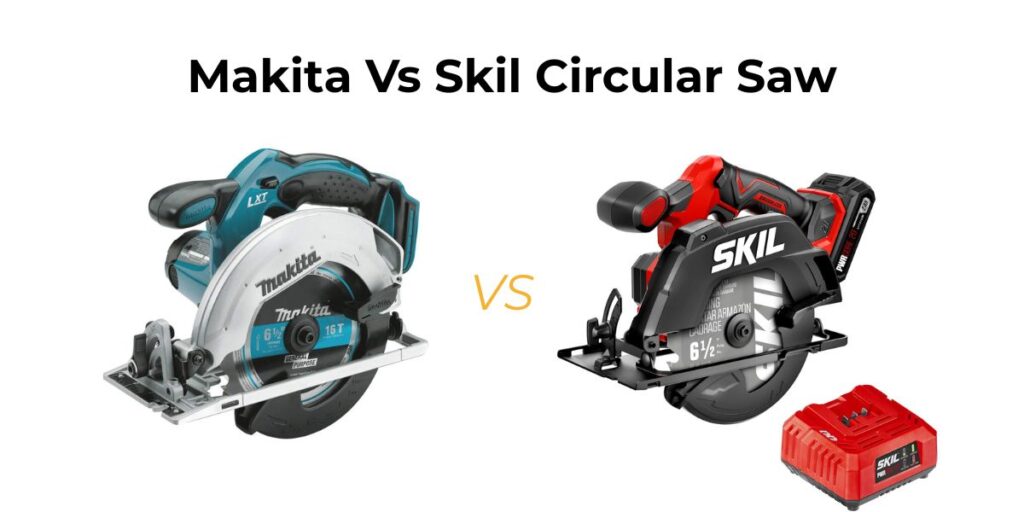
Have you even found yourself stuck in finding if you should buy a Makita vs Skil circular saw? I totally get it – I’ve been there myself, and honestly, it’s a bigger decision than most people think.
Here’s the thing: both brands make solid circular saws, but they’re designed for completely different types of people. And if you pick the wrong one, you’ll either waste money on features you don’t need, or you’ll end up frustrated with a saw that can’t handle your projects.
Let me break this down for you, without all the marketing nonsense.
Table of Contents
Quick Answer: Which One Wins?
Choose Makita if: You’re serious about woodworking, need something that’ll last 10+ years, or you’re already using other Makita battery tools.
Choose Skil if: You’re a homeowner doing occasional DIY projects, you’re on a tighter budget, or you just need something reliable for weekend work.
There’s no “better” saw overall – it depends entirely on what you’re doing with it.
Why This Comparison Actually Matters?
Look, a circular saw isn’t just some tool you buy once and forget about. It’s probably going to be one of your most-used power tools. I’ve seen people buy the wrong saw and either struggle through projects or end up buying a second one six months later.
The Makita vs Skil circular saw debate comes down to understanding what you actually need. Not what looks cool, not what your buddy swears by, but what makes sense for YOUR projects and YOUR budget.
Related Articles:
Understanding These Two Brands
| Features | Makita | Skil |
|---|---|---|
| Price Range | $100-$400 | $50-$200 |
| Motor Power | 15A (corded), Brushless (cordless) | 13-15A (corded), Standard (cordless) |
| Build Quality | Magnesium, Premium Materials | Aluminum/Steel, Good Plastics |
| Durability | 10+ years | 3-5 years |
| Weight | 7-8.5 lbs | 8-10 lbs |
| Battery Platform | 300+ tools (18V/40V) | Limited options (20V) |
| Battery Life | 50-80 cuts per charge | 40-60 cuts per charge |
| Cutting Precision | Excellent, Stays Calibrated | Good for DIY Work |
| Electric Brake | Standard on most models | Select models only |
| Best For | Professionals, Daily Use | Homeowners, Weekend Projects |
| Warranty | 3 years | 2 years |
| Value for Money | High quality, higher price | Great features for the price |
| Ease of Use | Smooth, refined operation | Simple, straightforward |
Makita: The Professional’s Choice
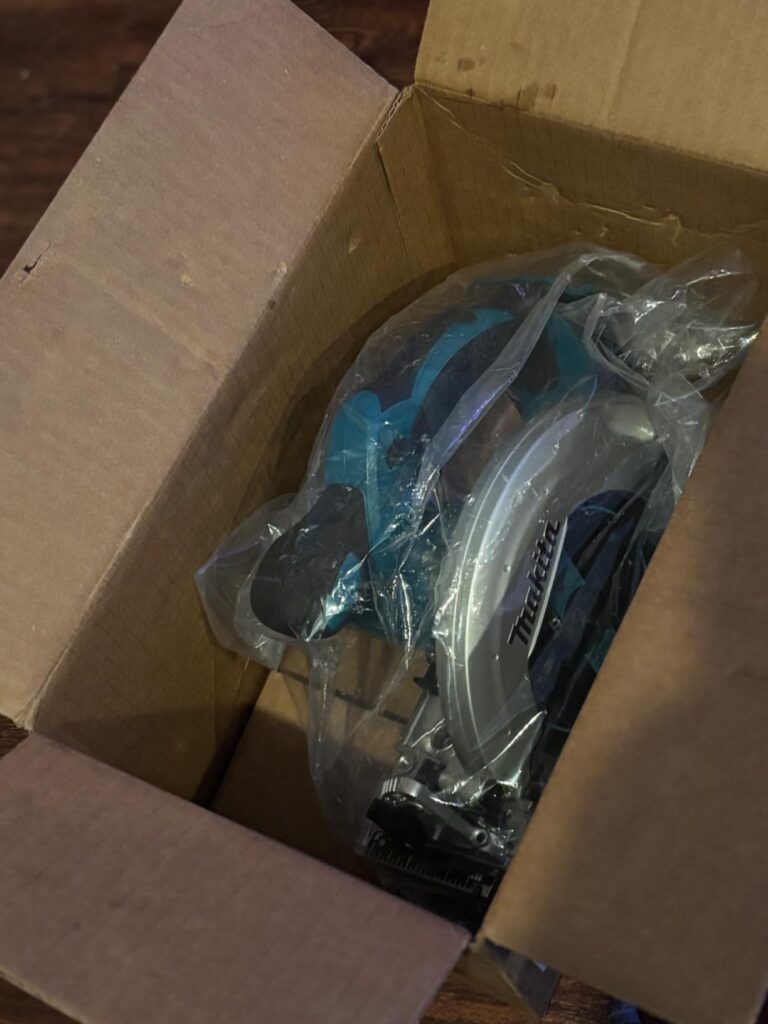
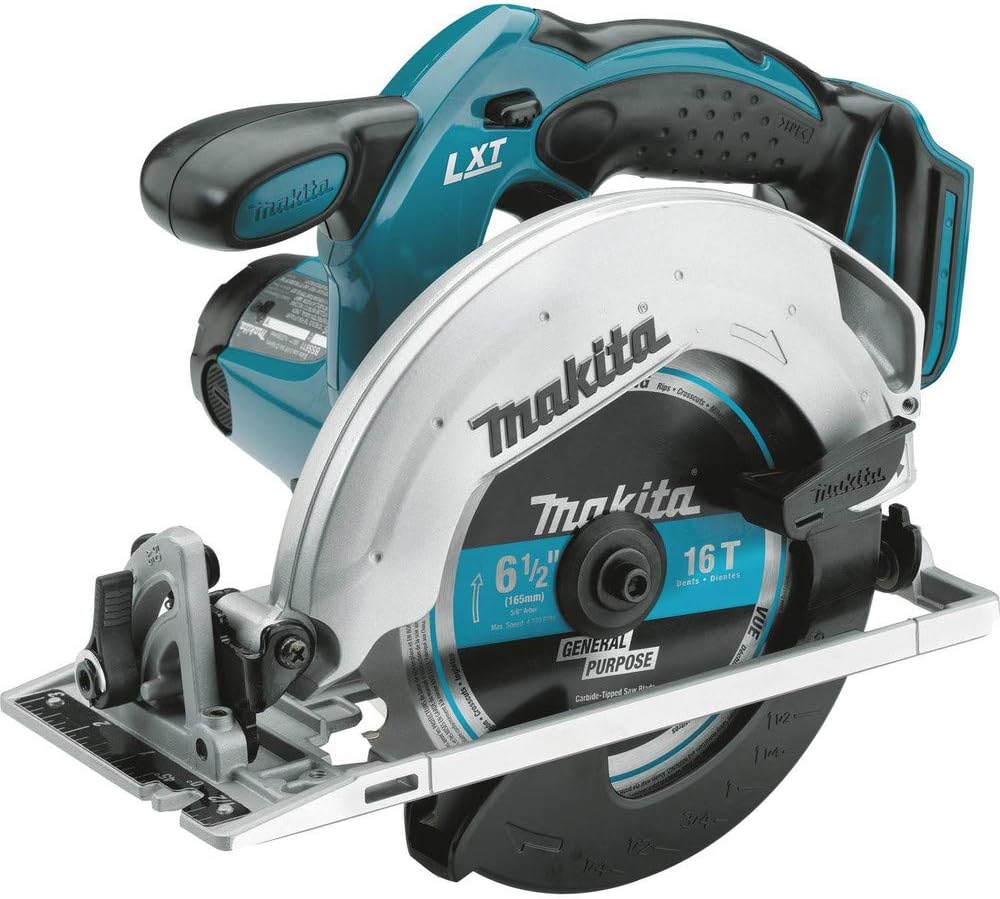
Makita has been making power tools since 1915. They’re a Japanese company that built their reputation in the professional construction world. When you see contractors on job sites, you’ll spot those teal-colored Makita tools everywhere.
Their cordless circular saws are built like tanks. We’re talking brushless motors, magnesium components, and the kind of engineering that makes tool nerds get excited. But you pay for that quality.
Skil: The Smart Budget Option
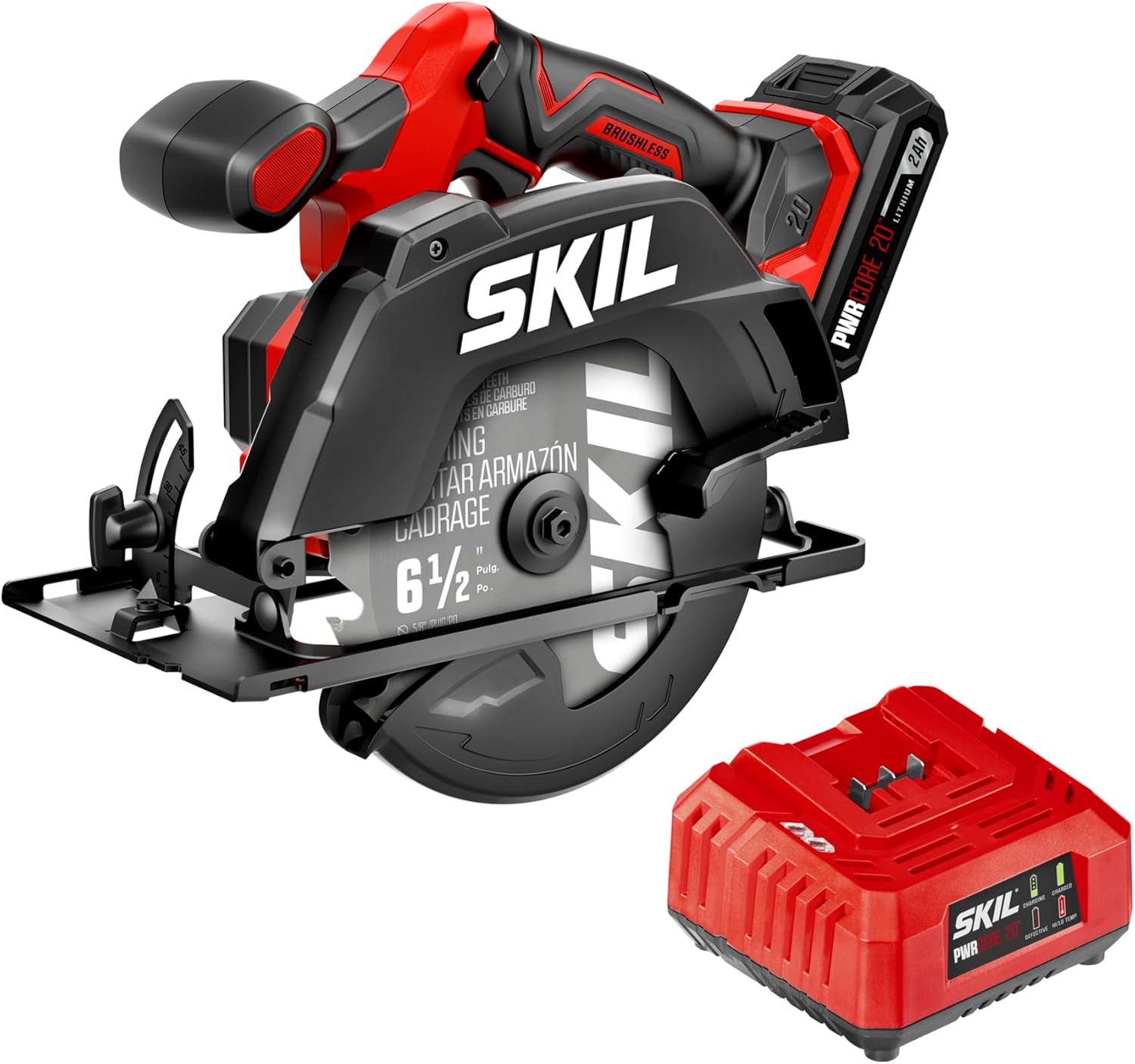
Skil actually invented the circular saw back in 1924 – true story. These days, they focus on making dependable tools for homeowners and DIY enthusiasts. They’re not trying to compete with premium pro brands, and that’s actually a good thing.
Skil tools give you solid performance without the professional price tag. They’re the brand your dad probably used for backyard projects, and they’re still doing that job well today.
Head-to-Head: Makita vs Skil Circular Saw Comparison
1. Power and Performance
Here’s where things get interesting.
Makita Advantages:
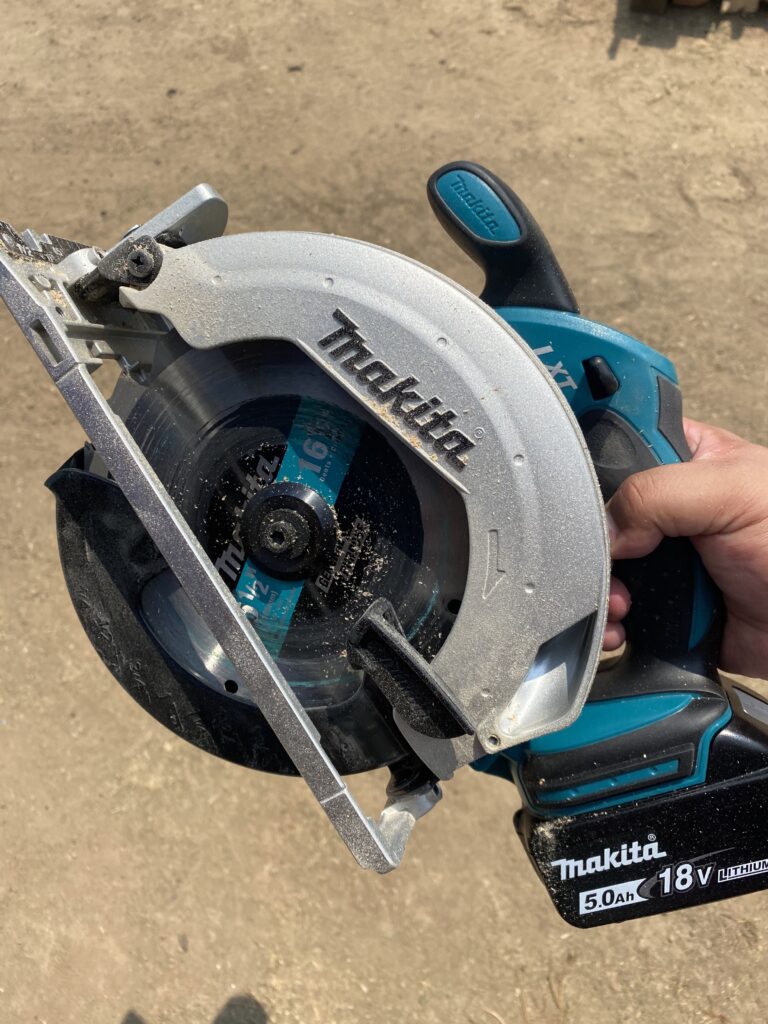
- Most Makita circular saws pack 15-amp motors (corded) or high-voltage brushless motors (cordless)
- They cut through hardwoods like butter
- The power stays consistent even when you’re making long rip cuts
- Professional models can handle 8+ hours of continuous use
Skil Performance:
- Skil circular saws typically have 13-15 amp motors
- Plenty of power for framing lumber, plywood, and most DIY cuts
- Great for weekend projects and home repairs
- Not designed for all-day professional use
Real talk: Unless you’re cutting exotic hardwoods or working 8-hour days, you probably won’t notice a huge difference in cutting power for typical projects.
2. Build Quality and Durability
This is where the Makita vs Skil circular saw comparison gets really clear.
Makita Construction:
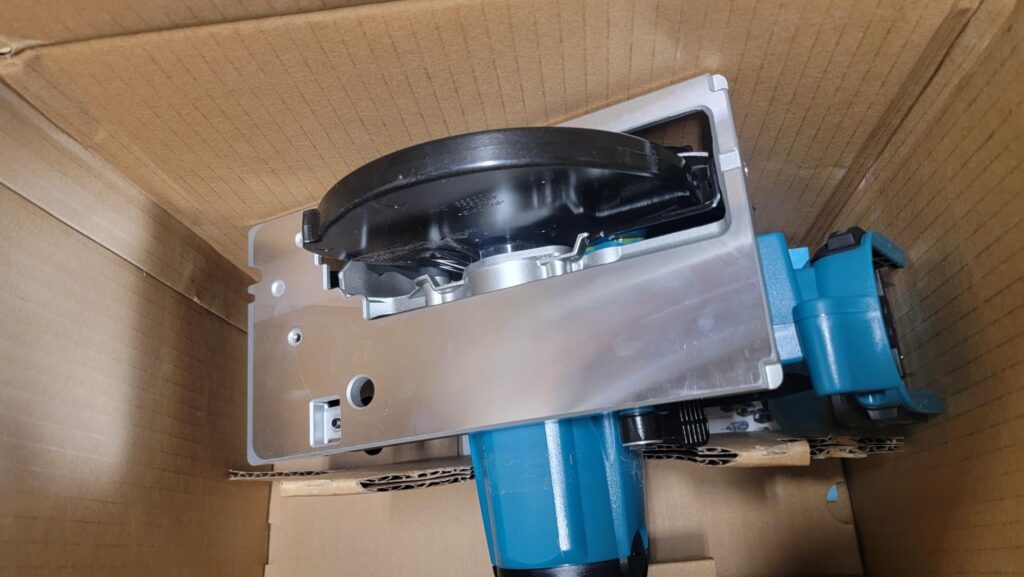
- Magnesium shoe on many models (way lighter than aluminum)
- Precision machining on all components
- Sealed bearings to keep dust out
- Built to survive job site abuse
- Typically rated for 5-10+ years of professional use
Skil Build:
- Aluminum or steel shoe (totally fine for home use)
- Good quality plastics and components
- Not as much dust protection
- Built for regular home use
- Should last 3-5+ years with typical DIY use
I’ve seen Makita saws that are 15 years old still running strong on construction sites. Skil saws don’t usually need to last that long for homeowners, and they’re priced accordingly.
3. Features That Actually Matter

Let’s talk about the features you’ll actually use, not the stuff that just looks good in ads.
Bevel Capacity:
- Makita: Usually 45-50 degree bevels with positive stops
- Skil: 45 degree bevels with good lock mechanisms
- Winner: Tie – both handle standard angles fine
Depth Adjustment:
- Makita: Smooth, precise adjustments with easy-to-read scales
- Skil: Simple lever systems that work well
- Winner: Makita slightly, but Skil is totally adequate
Blade Visibility:
- Makita: Excellent sightlines on most models
- Skil: Good visibility, some models have LED lights
- Winner: Depends on the specific model
Dust Blower:
- Makita: Built-in blowers keep your cut line visible
- Skil: Some models have this, some don’t
- Winner: Makita (more consistent across models)
Electric Brake:
- Makita: Standard on most models
- Skil: Available on mid to higher-end models
- Winner: Makita (it’s a great safety feature)
4. Cordless vs Corded Options
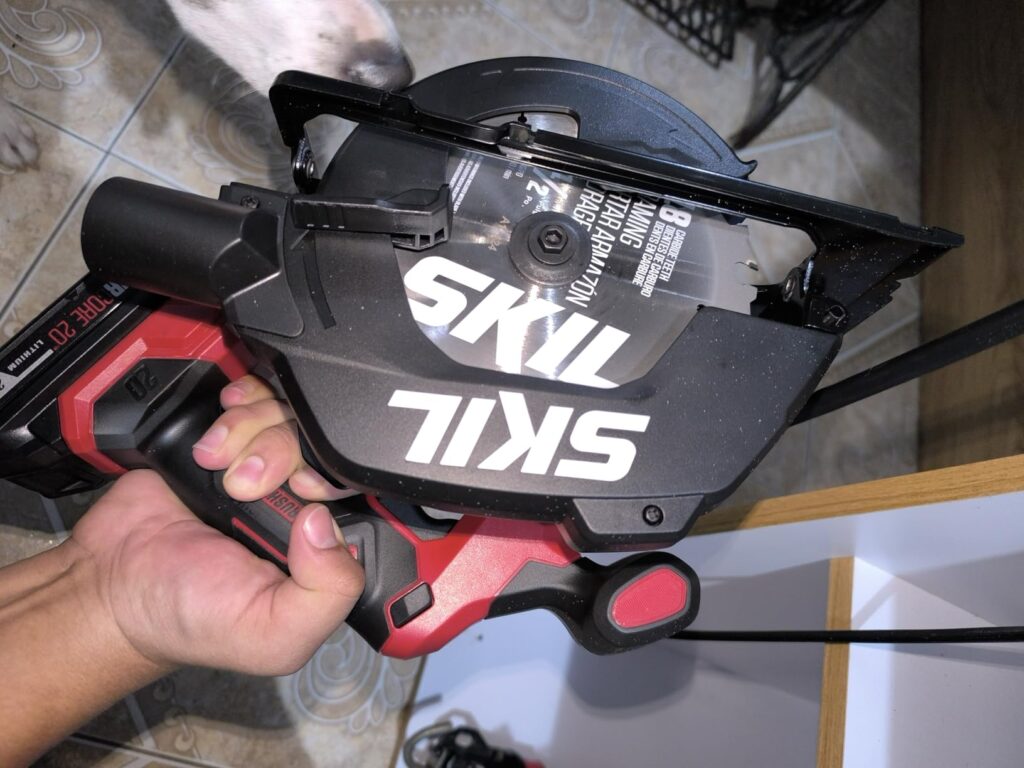
deciding if you need corded vs cordless saw is another factor to consider when buying a new circular saw. This is huge when comparing Makita vs Skil circular saw models.
Makita Cordless Ecosystem: Makita has one of the best battery platforms in the industry – their 18V LXT system. They also have a 40V XGT line for heavy-duty work.
- Over 300+ tools use the same batteries
- Batteries last forever (seriously, they’re amazing)
- Fast charging options
- More expensive upfront but saves money if you buy multiple tools
Skil Cordless Options: Skil has their PWRCore system which is solid but limited.
- Fewer tools in the battery family
- Good battery performance for the price
- Much cheaper to get started
- Fine if you’re just buying a few tools
Corded Models: Both brands make excellent corded circular saws. Corded models are cheaper, lighter, and never run out of juice. If you’re working near outlets, they’re still the best choice.
5. Weight and Ergonomics
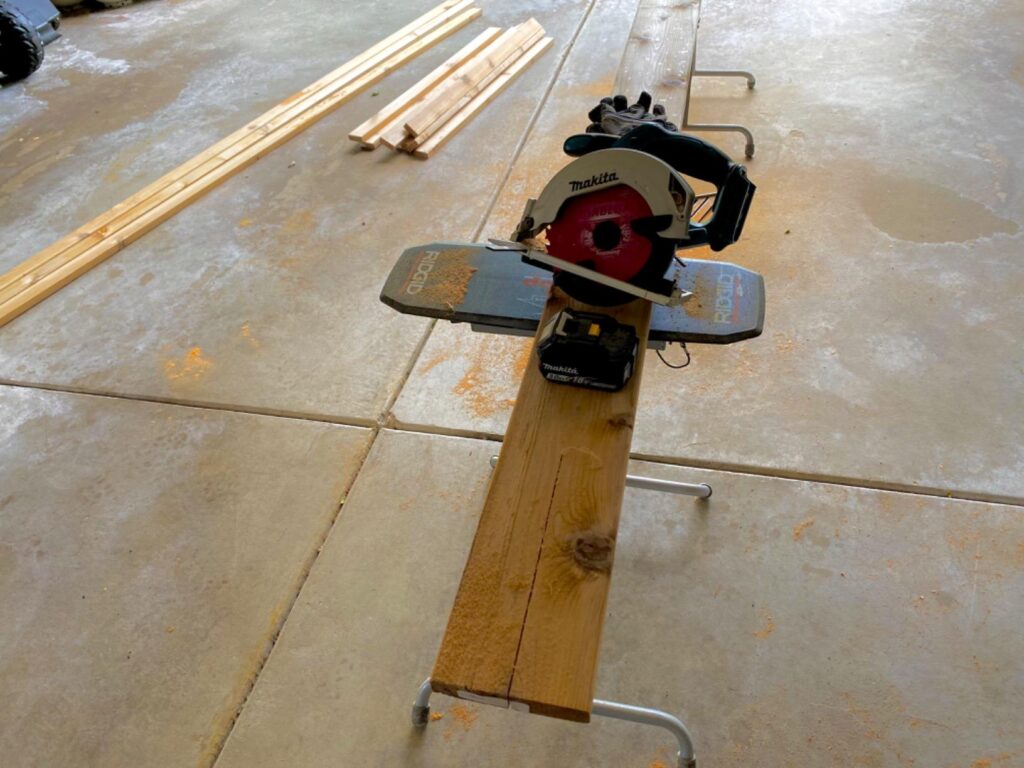
You might not think this matters until you’re making your 50th cut of the day.
Makita Weight:
- Corded models: 7-8.5 lbs typically
- Cordless models: 7-8 lbs (without battery)
- Magnesium components save weight
- Balanced design reduces fatigue
Skil Weight:
- Corded models: 8-10 lbs typically
- Cordless models: Similar to Makita
- Slightly heavier but not dramatically so
- Good grip design on newer models
The weight difference isn’t huge, but if you’re doing overhead cuts or working all day, those extra ounces add up.
6. Accuracy and Precision
For most home projects, both brands cut straight and true. But there are differences.
Makita Precision:
- Super tight manufacturing tolerances
- Shoe stays flat and true even after years
- Depth and angle scales are accurate
- Less vibration during cuts
Skil Accuracy:
- Good accuracy for DIY work
- Scales are clear and usable
- Might not stay perfectly calibrated after heavy use
- More vibration than premium models
If you’re building furniture or doing finish carpentry, Makita’s extra precision matters. For framing or rough cuts, Skil is perfectly fine.
7. Price Breakdown: What You Actually Pay
Let’s get real about cost because this often decides the whole Makita vs Skil circular saw debate.
Skil Circular Saw Prices:
- Basic corded: $50-$80
- Mid-range corded: $80-$120
- Cordless (tool only): $100-$150
- Cordless kit with battery: $150-$200
Makita Circular Saw Prices:
- Basic corded: $100-$150
- Professional corded: $150-$250
- Cordless (tool only): $150-$250
- Cordless kit with battery: $250-$400
Yeah, Makita costs roughly 2x what Skil costs. Sometimes more.
But here’s the catch: If you’re buying into the Makita ecosystem with multiple tools, those batteries become interchangeable, and the per-tool cost drops. Plus, Makita tools typically last longer, so the cost-per-year might actually be lower.
Real World Performance: What Users Actually Say
I’ve read through hundreds of reviews on both brands, and here’s what real people consistently report.
Common Skil Circular Saw Praise:
- “Does everything I need for home projects”
- “Can’t beat it for the price”
- “Lighter than I expected”
- “Easy to adjust and use”
Common Skil Complaints:
- “Gets bogged down in thick hardwood”
- “Blade guard sometimes sticks”
- “Not as smooth as professional saws”
Common Makita Circular Saw Praise:
- “Cuts like butter through everything”
- “Still going strong after 10 years”
- “Battery life is incredible”
- “Smooth and precise”
Common Makita Complaints:
- “Expensive but worth it”
- “Wish I bought this years ago”
- “Batteries are pricey if you don’t have any”
Notice that Makita’s main complaint is just the price, while Skil’s performance limitations are acceptable for their target users.
Battery Life Comparison (Cordless Models)
If you’re going cordless, battery performance is crucial.
Makita Battery Performance:
- 5.0Ah battery: 50-80 cuts on 2×4 lumber
- Charges in about 45 minutes
- Batteries last 1000+ charge cycles
- Barely loses power as battery drains
Skil Battery Performance:
- 4.0Ah battery: 40-60 cuts on 2×4 lumber
- Charges in about 60 minutes
- Good battery life but fewer total cycles
- Some power fade as battery drains
For weekend projects, either battery system works fine. For all-day use, Makita wins easily.
Maintenance and Long-Term Ownership
Makita Maintenance Needs:
- Minimal – these things are built to run
- Brushless motors need basically zero maintenance
- Keep the shoe clean and blade sharp
- Might need carbon brushes after years (on brushed models)
Skil Maintenance Needs:
- Keep blade sharp (dull blades cause most problems)
- Clean dust buildup regularly
- Check blade guard mechanism periodically
- May need parts replaced sooner than Makita
Both brands have good warranty support. Makita typically offers 3 years, Skil offers 2 years.
Safety Features Comparison
Safety matters more than people think with circular saws.
Makita Safety:
- Electric brake stops blade in 2 seconds
- Large, easy-to-reach trigger
- Good blade guard that retracts smoothly
- Anti-slip grip on most models
Skil Safety:
- Blade guard works well on most models
- Some models have electric brake
- Safety lock to prevent accidental starts
- Generally safe but fewer premium features
Both brands are safe when used properly. Makita includes more premium safety features as standard.
The Environmental Factor
If sustainability matters to you:
Makita: Japanese manufacturing with good environmental standards. Brushless motors are more energy-efficient. Longer product life means less waste.
Skil: Mix of manufacturing locations. Shorter lifespan means more frequent replacement. Lower price means more accessible tool access.
Honestly, buying quality tools that last longer (regardless of brand) is probably the most eco-friendly choice.
Making Your Final Decision: Makita Vs Skil Circular Saw
Here’s my straight-up advice after comparing Makita vs Skil circular saw options extensively:
Buy a Skil Circular Saw If:
- You’re doing home improvement projects a few times a month
- Budget is a real concern (no shame in that!)
- You’re building a deck, installing shelves, or doing basic framing
- You don’t already own cordless tools from another brand
- You want something that works without overthinking it
Best Skil model for most people: The Skil 5280-01 is a fantastic corded saw around $60-70. The Skil PWRCore 20 is their best cordless option.
Buy a Makita Circular Saw If:
- You’re working on job sites or doing professional work
- You value precision and build quality
- You’re already invested in Makita batteries
- You use your saw frequently (multiple times per week)
- You’re willing to pay more upfront for long-term reliability
Best Makita model for most people: The Makita 5007MG (corded) is a beast at around $140. For cordless, the Makita XSS02Z (18V) is excellent around $180 (tool only).
My Personal Recommendation
Look, I’m not getting paid by either brand to say this. After comparing every aspect of Makita vs Skil circular saw models, here’s what I’d do:
For 80% of homeowners: Get a Skil. Seriously. The Skil 5280-01 corded saw for around $60-70 will handle everything you throw at it. Save the extra $100+ for other tools or better blades.
For serious DIYers and semi-pros: Split the difference. Get a mid-range Makita corded saw like the 5007F. It’s not their most expensive model, but it’ll last forever and perform beautifully.
For professionals: You already know you need Makita (or DeWalt or Milwaukee). Buy the best you can afford because it’s your livelihood. The Makita 5007MG or XSH06 cordless are excellent choices.
Final Thoughts
The Makita vs Skil circular saw comparison really comes down to this: both brands make good tools for their target audience.
Skil makes affordable, dependable circular saws for regular people doing regular projects. There’s zero shame in buying one, and you’ll be perfectly happy with it for home use.
Makita makes professional-grade circular saws built to withstand daily abuse and deliver precision cuts for years. They cost more because they are genuinely better tools.
Neither one is “better” in absolute terms – they’re better for different people.
Buy the Skil if you’re budget-conscious and using it occasionally. Buy the Makita if you need professional performance and durability. Both companies will still be making circular saws long after yours wears out (or gets passed down to your kids).
Whatever you choose, invest in a quality blade, wear safety glasses, and take your time on cuts. The saw is only as good as the person using it.
FAQs
Is Makita worth the extra money over Skil?
For professional use or serious DIYers, absolutely. For occasional home projects, probably not. It depends on your usage.
Can a Skil circular saw handle hardwood?
Yes, but it’ll struggle more than a Makita. Use a sharp blade and don’t force it. For occasional hardwood cuts, Skil works fine.
Which brand has better battery tools?
Makita has a much larger cordless platform with better battery performance. But Skil’s system works great if you only need a few tools.
How long do these saws typically last?
Skil: 3-5 years with regular DIY use. Makita: 10+ years even with heavy use. I’ve personally seen both exceed these estimates with good care.
Which cuts more accurately?
Makita holds tighter tolerances and stays calibrated longer. For rough carpentry, both are equally accurate enough.
Can I use any blade on these saws?
Both accept standard 7-1/4″ blades (or whatever size your specific model requires). Use quality blades for best results with either brand.
Which is better for a beginner?
Skil is more forgiving on your budget while you learn. Makita is easier to use with smoother operation, but costs more.