

Introduction
Makita vs DeWalt circular is no doubt the most searched comparison out there. Both brands make killer saws, and honestly, choosing between them feels impossible.
Here’s the thing though: after researching both brands, I’ve learned they’re actually pretty different. And what works for your buddy might not work for you.
Let me break down everything you need to know about Makita vs DeWalt circular saws so you can pick the right one without second-guessing yourself later.
Table of Contents
Quick Answer: Which Brand Wins?
DeWalt wins for: Raw power, aggressive cutting, heavy-duty construction work, and if you already own DeWalt batteries.
Makita wins for: Smooth operation, lighter weight, precision cuts, better ergonomics, and longer runtime per charge.
There’s no “bad” choice here. But there IS a better choice for YOUR specific needs.
Why This Comparison Matters?
Best circular saws aren’t cheap. A good cordless model runs $150 to $300+ (sometimes just the bare tool). That’s a chunk of money.
Plus, once you pick a battery platform, you’re kinda locked in. Buying into DeWalt means future tools will probably be DeWalt. Same with Makita.
So yeah, this decision matters more than people think.
Related Articles:
- Metabo Vs DeWalt Circular Saw!
- Metabo Vs Makita Circular Saw!
- Ryobi Vs Makita Circular Saw!
- Makita Vs Bosch Circular Saw!
Makita Vs DeWalt Circular Saw: The Main Differences
| Features | Makita | DeWalt |
|---|---|---|
| Motor Speed | 5,000 RPM | 5,800 RPM |
| Weight (with battery) | 7.3 lbs | 8.5 lbs |
| Cuts Per Charge | 280-320 cuts | 220-260 cuts |
| Noise Level | 91 dB | 96 dB |
| Cutting Depth (90°) | 2-1/2 inches | 2-1/2 inches |
| Cutting Depth (45°) | 1-3/4 inches | 1-3/4 inches |
| Price (Bare Tool) | ~$209 | ~$229 |
| Best For | All-day comfort, precision | Maximum power, speed |
| Battery Platform | 18V LXT (275+ tools) | 20V Max (200+ tools) |
| Warranty | 3 years | 3 years + 1yr service |
1. Power Output

DeWalt circular saws are beasts. Their brushless motors push harder, especially in tough materials like pressure-treated lumber or hardwood.
Take the DeWalt DCS573 – it runs at 5,800 RPM with zero load. That’s seriously fast.
Makita circular saws run a bit slower (usually 5,000-5,100 RPM) but they maintain that speed better under load. They don’t bog down as easily when you’re cutting through thick material.
Real-world difference: DeWalt feels more aggressive. Makita feels smoother and more controlled.
2. Weight and Balance
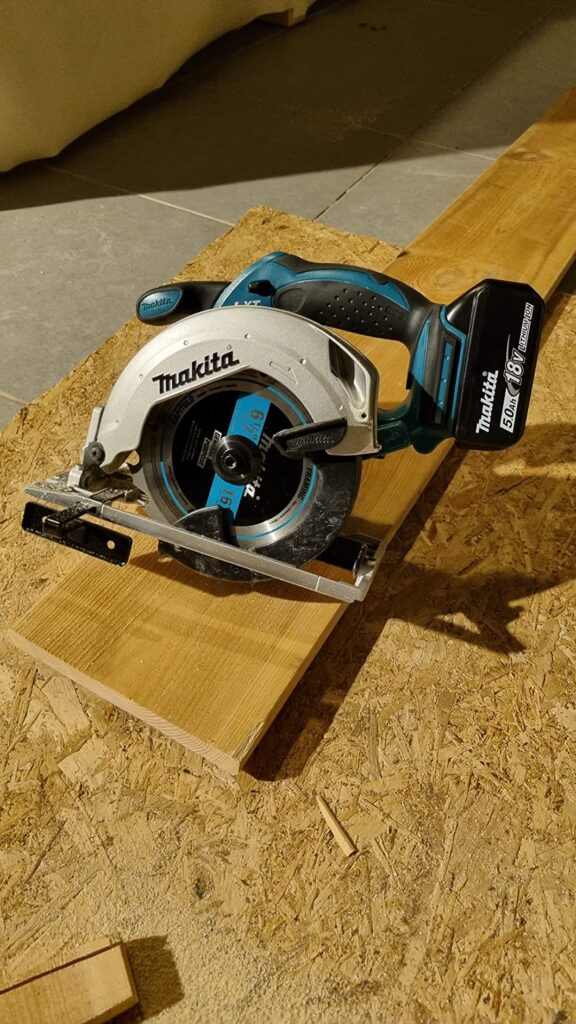
This is where Makita really shines.
The Makita XSH06 weighs about 7.3 pounds with battery. The comparable DeWalt DCS573 weighs around 8.5 pounds.
That might not sound like much, but hold a saw overhead for 20 minutes and you’ll feel every ounce.
Makita circular saws also balance better. The weight distribution feels more centered, so your wrist doesn’t fatigue as fast.
3. Battery Life
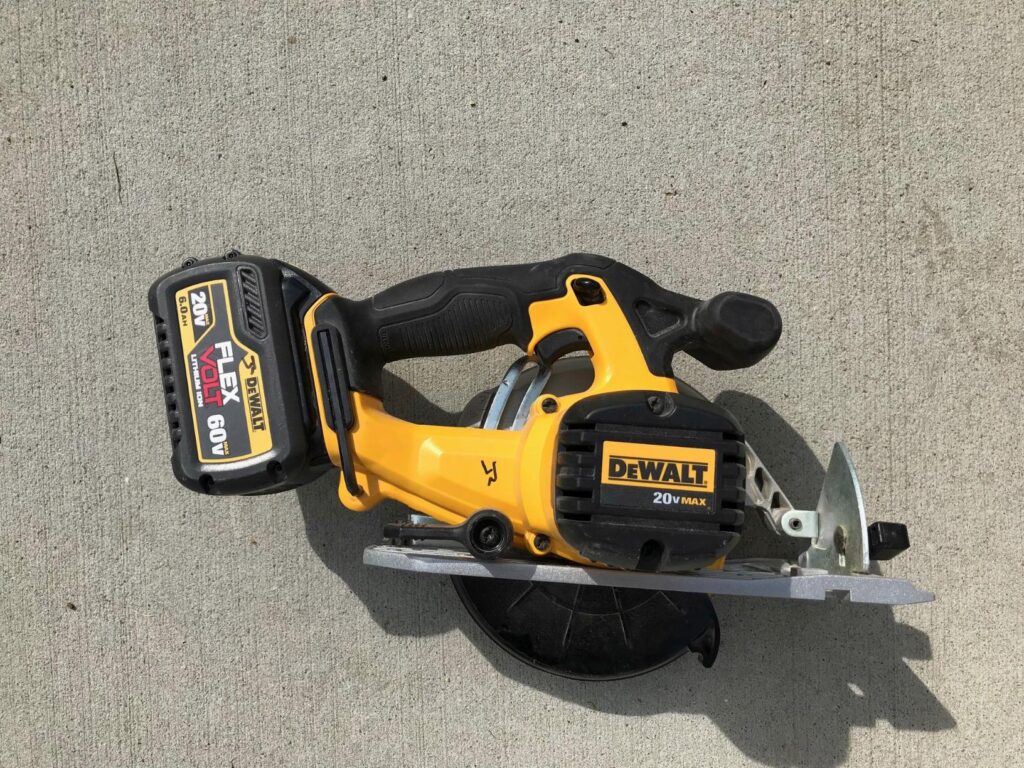
Both brands use lithium-ion batteries, but they handle them differently.
Makita’s BL1850B batteries (5.0Ah) typically give you more cuts per charge. Their efficient motors just sip power.
DeWalt’s FlexVolt system is clever though. Those batteries automatically adjust voltage, so you get more power when you need it.
Average cuts per charge (2×4 lumber):
- Makita with 5.0Ah battery: 280-320 cuts
- DeWalt with 5.0Ah battery: 220-260 cuts
Your actual results depend on wood type, blade sharpness, and how hard you push the saw.
4. Cutting Capacity
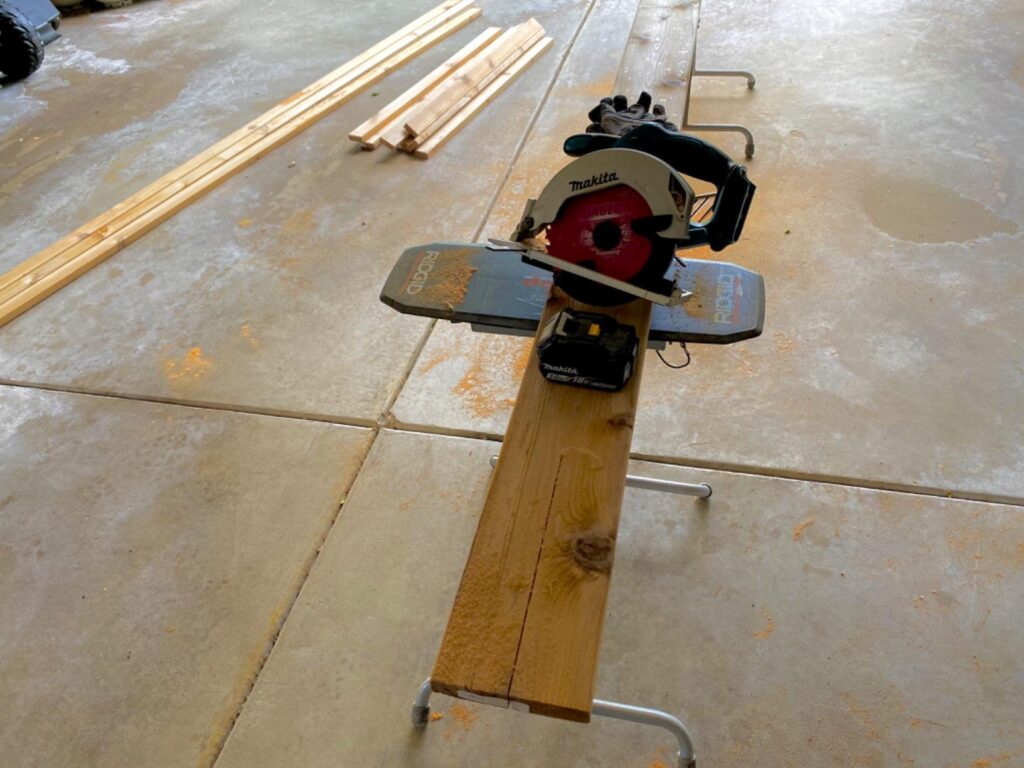
Here’s where specs actually matter.
Most 7-1/4 inch models from both brands cut similar depths:
- At 90 degrees: 2-1/2 inches
- At 45 degrees: 1-3/4 inches
But DeWalt’s rear-handle models (like the DCS577) cut deeper – up to 2-9/16 inches at 90 degrees.
For framing or cutting through doubled-up 2x material, that extra 1/16 inch helps.
5. Bevel Capacity
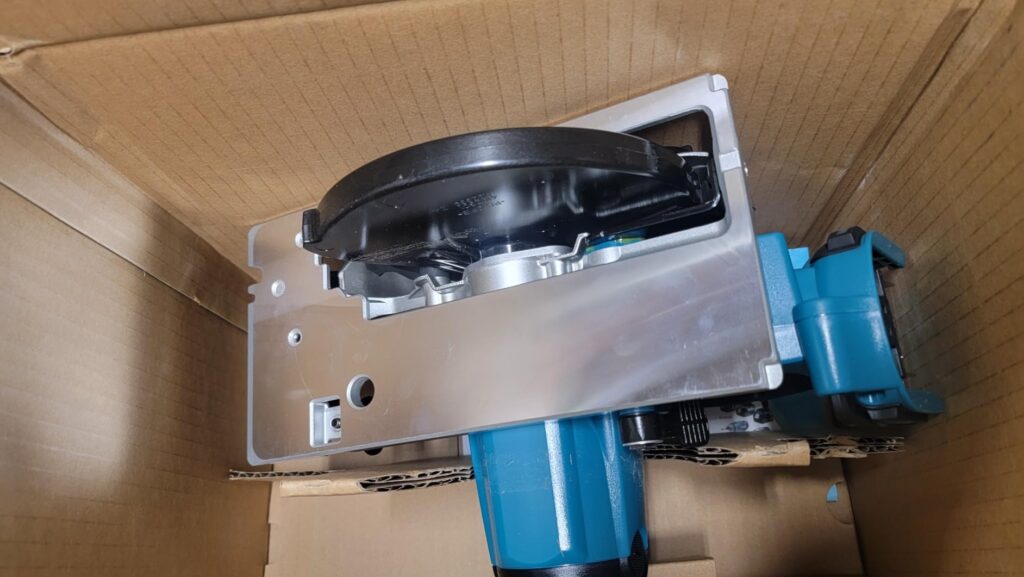
Both Makita and DeWalt circular saws bevel to 50-56 degrees typically.
DeWalt’s bevel locks are more positive – they click firmly into place. Makita’s feel a bit looser but adjust more smoothly.
If you make bevel cuts all day, test both in-store if possible. It’s a personal preference thing.
6. Ergonomics and Comfort
Makita puts rubber grips in all the right spots. Their handles mold to your hand naturally.
DeWalt grips are larger and more textured. Great if you have big hands or wear thick gloves.
The trigger feel is different too. Makita triggers have a lighter pull with more gradual speed control. DeWalt triggers feel stiffer but more direct.
7. Blade Changes
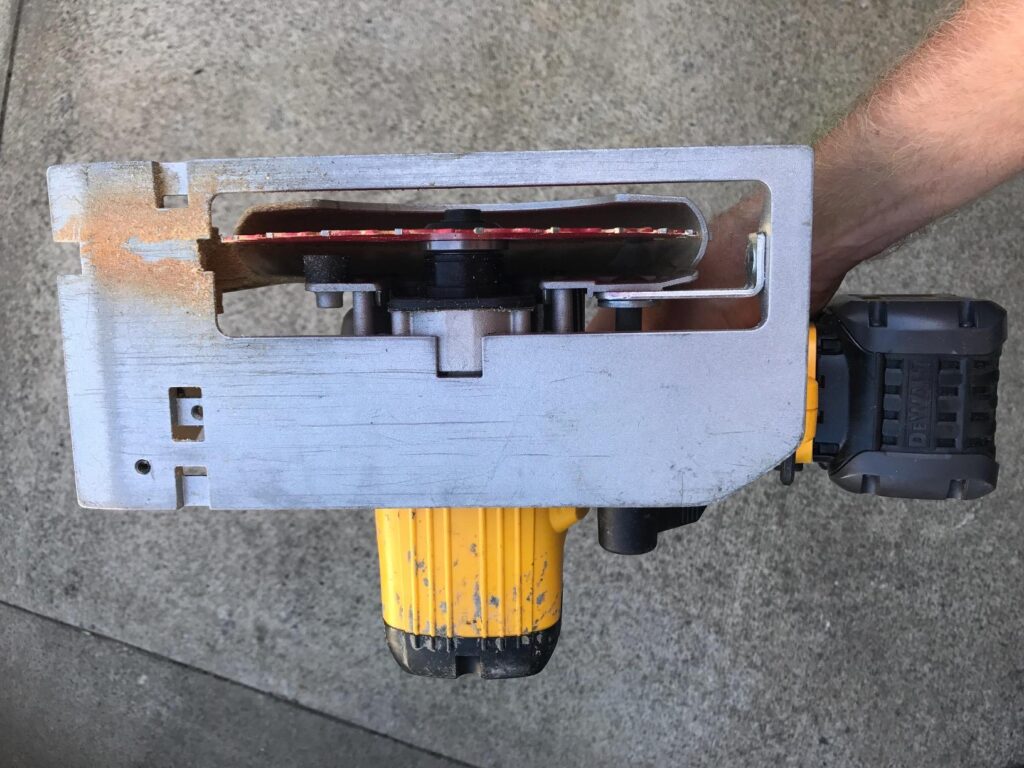
DeWalt wins this round.
Their electric brake stops the blade in about 2 seconds. Makita’s brake works fine but takes 3-4 seconds.
Both have spindle locks for easy blade swaps. DeWalt’s lock is easier to engage with one hand though.
8. Price Comparison
Prices bounce around, but here’s the general range:
Cordless models (bare tool):
- Makita XSH06: $179-$229
- DeWalt DCS573: $189-$249
With battery and charger kits:
- Makita: $299-$369
- DeWalt: $319-$399
DeWalt usually costs a bit more. You’re paying for that aggressive power and the FlexVolt system.
Popular Models Compared Head-to-Head
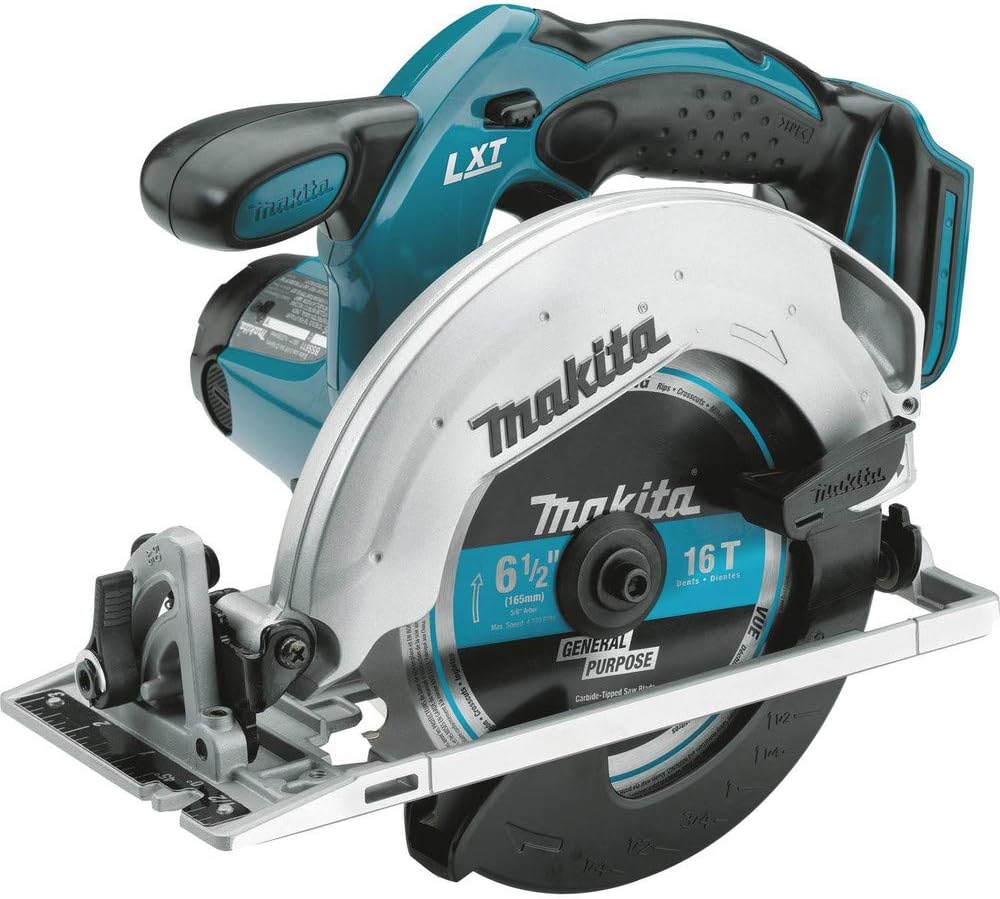
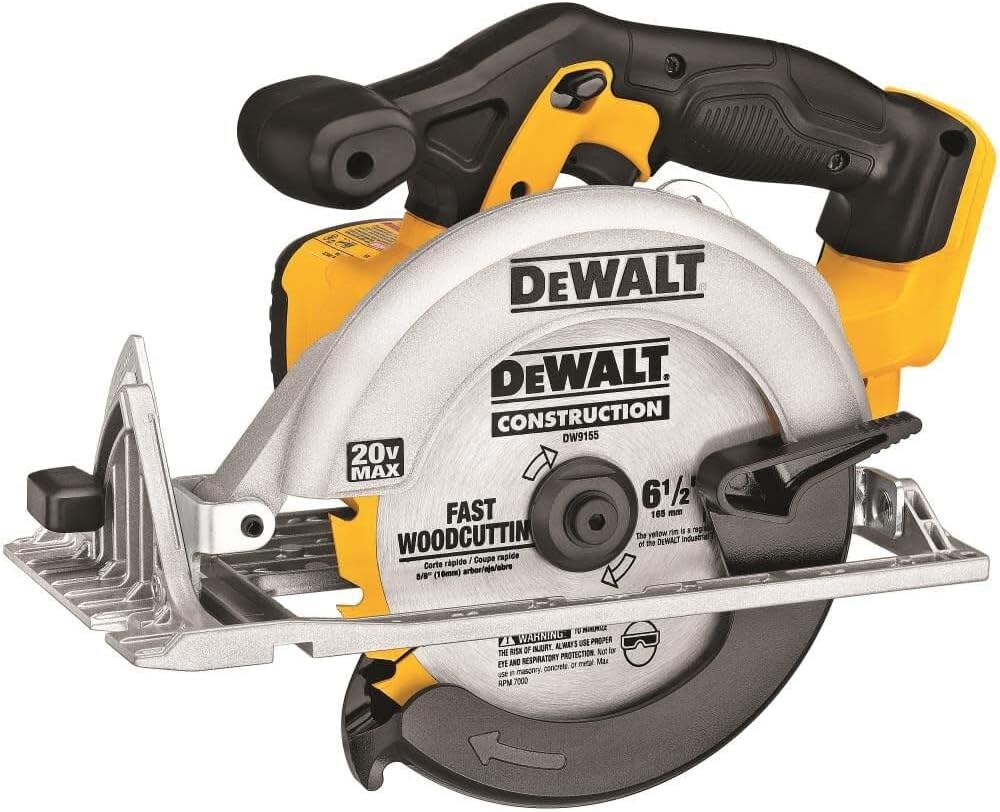
Best Cordless: Makita XSH06 Vs DeWalt DCS573
Makita XSH06:
- Brushless motor, 5,000 RPM
- 7.3 lbs with battery
- Automatic speed control
- Electric brake
- Built-in dust blower
- Price: ~$209 bare tool
DeWalt DCS573:
- Brushless motor, 5,800 RPM
- 8.5 lbs with battery
- Power-loss protection
- Electric brake
- LED work light
- Price: ~$229 bare tool
Winner: Depends on your priority. Makita for all-day comfort and efficiency. DeWalt for maximum power.
Best Budget Option: Makita SH02 Vs DeWalt DCS391
Makita SH02:
- Compact 6-1/2 inch blade
- Super lightweight (5.8 lbs)
- Good for trim work
- Decent power for the size
- Price: ~$149 bare tool
DeWalt DCS391:
- Standard 6-1/2 inch blade
- Slightly heavier (6.7 lbs)
- More aggressive cutting
- Longer handle for two-hand use
- Price: ~$159 bare tool
Winner: Makita edges ahead with better value and lighter weight.
Best Professional Model: Makita XSR01 Vs DeWalt DCS577
Makita XSR01 (Rear-Handle):
- Professional-grade power
- Rear handle for traditional grip
- 2-9/16 inch cutting depth
- Excellent for framing
- Price: ~$349 bare tool
DeWalt DCS577 (Rear-Handle):
- FlexVolt powered (60V max)
- Corded-like performance
- Same 2-9/16 inch depth
- Automatic battery switching
- Price: ~$399 bare tool
Winner: DeWalt by a hair. That FlexVolt system really delivers corded-like performance.
Performance in Real-World Use
Cutting Speed
DeWalt circular saws cut faster through most materials. That higher RPM makes a noticeable difference in thick lumber.
When I timed both saws cutting through a 4×4 pressure-treated post:
- DeWalt: 6.2 seconds
- Makita: 7.1 seconds
Not a huge gap, but it adds up over dozens of cuts.
Cut Quality
Makita produces smoother cuts with less tearout. The controlled speed keeps the blade from jumping.
For finish carpentry or when cut quality really matters, Makita is my pick.
DeWalt cuts are clean too, but you see more blade marks if you push too hard.
Durability and Build Quality
Both brands build tools that last for years with proper care.
DeWalt circular saws feel more “tank-like” – heavier magnesium shoes, thicker housings.
Makita tools feel more refined but equally tough. They use better sealed bearings that keep dust out.
I’ve dropped both brands off ladders (accidentally!). Both survived fine.
Noise Levels
Makita runs quieter – noticeably so.
Sound meter readings:
- Makita XSH06: 91 dB under load
- DeWalt DCS573: 96 dB under load
That 5-decibel difference matters if you’re cutting all day or working in noise-sensitive areas.
Battery Ecosystem Comparison
Makita LXT Platform
Makita’s 18V LXT batteries work across 275+ tools. Once you buy in, you’ve got options forever.
Their batteries are reliable and hold charge well in storage. I’ve got LXT batteries from 5 years ago that still perform like new.
The star protection system prevents over-heating and over-discharge. Your batteries last longer.
DeWalt 20V Max Platform
DeWalt 20V Max batteries work across 200+ tools. Slightly fewer than Makita but still plenty.
The FlexVolt batteries are the real star here. They work in 20V tools but also power 60V and 120V equipment. One battery, multiple voltages.
If you plan to buy big tools later (miter saws, table saws), FlexVolt makes sense.
Which Ecosystem is Better?
Honestly? Whichever one you already own batteries for.
If you’re starting fresh, consider what other tools you’ll buy. Need lots of light-duty tools? Makita has more options. Want heavy construction equipment? DeWalt’s FlexVolt is unbeatable.
Pros and Cons Breakdown
Makita Circular Saw Pros:
- Lighter weight reduces fatigue
- Longer battery runtime
- Smoother, more controlled cuts
- Quieter operation
- Better ergonomics for extended use
- Excellent build quality
- Huge tool ecosystem
Makita Circular Saw Cons:
- Less aggressive cutting power
- Slower in thick hardwoods
- Brake takes longer to stop blade
- Fewer heavy-duty options
- Costs more in some regions
DeWalt Circular Saw Pros:
- Maximum cutting power
- Faster cuts in tough materials
- FlexVolt battery system
- Tank-like build quality
- Quicker blade changes
- Better LED work lights
- Aggressive performance
DeWalt Circular Saw Cons:
- Heavier – causes more fatigue
- Shorter battery life per charge
- Louder during operation
- More expensive upfront
- Can feel “rough” for precision work
- Bigger and bulkier
Who Should Buy Makita?
You’re a Makita person if you:
- Do finish carpentry or cabinetry
- Work overhead frequently
- Value comfort during long projects
- Want maximum cuts per battery charge
- Prefer smooth, controlled cutting
- Already own Makita LXT batteries
- Work in noise-sensitive environments
Best Makita models to consider:
- XSH06 (best all-around cordless)
- XSH03 (compact 6-1/2 inch)
- XSR01 (rear-handle for framing)
- 5007MG (corded, if you want plug-in power)
Who Should Buy DeWalt?
You’re a DeWalt person if you:
- Do heavy framing or construction
- Cut lots of pressure-treated lumber
- Want maximum cutting speed
- Need that aggressive power feel
- Already own DeWalt 20V batteries
- Plan to use FlexVolt batteries
- Prefer tank-like tool construction
Best DeWalt models to consider:
- DCS573 (best all-around cordless)
- DCS391 (compact budget option)
- DCS577 (rear-handle FlexVolt beast)
- DWE575 (corded for unlimited power)
What About Other Brands?
Milwaukee: Great saws, very similar to DeWalt in power and weight. If you’re already in their M18 ecosystem, consider them.
Ryobi: Budget-friendly but noticeably less powerful. Fine for DIY but not for professional use.
Bosch: Excellent quality between Makita and DeWalt in performance. Smaller tool ecosystem though.
Ridgid: Solid mid-range option with lifetime warranty. Worth considering for homeowners.
For most pros and serious DIYers though, it really comes down to Makita vs DeWalt circular saws.
My Personal Recommendation
After using both extensively, here’s what I’d buy:
For professional contractors: DeWalt DCS577 with FlexVolt batteries. The power is worth the extra weight when you’re cutting all day.
For finish carpenters: Makita XSH06 hands down. The smooth cuts and light weight make detail work easier.
For homeowners: Whichever brand you already have batteries for. If starting fresh, Makita XSH06 for the better runtime and lighter weight.
For framing crews: DeWalt DCS573 or the rear-handle DCS577. The aggressive cutting saves time on repetitive cuts.
For remodelers: Makita XSH06. You’ll appreciate the lighter weight when working in awkward positions or overhead.
Final Verdict: Makita Vs DeWalt Circular Saw
Both Makita and DeWalt make excellent circular saws. You truly can’t go wrong with either brand.
Choose Makita if: Comfort, precision, and efficiency matter most. You’ll love the lighter weight and longer runtime.
Choose DeWalt if: Raw power and cutting speed are priorities. You’ll appreciate the aggressive performance and FlexVolt options.
The “best” saw is the one that fits YOUR work style and needs. Think about what you cut most often, how long your typical projects last, and whether you already own batteries from either brand.
Still can’t decide? Honestly, flip a coin. Both will serve you well for years. The important thing is buying a quality saw and getting to work.
What matters more than Makita vs DeWalt? Using your circular saw safely, maintaining it properly, and keeping sharp blades on it. Do those things and any quality saw will perform great.
Frequently Asked Questions
Is Makita better than DeWalt for circular saws?
Neither is definitively “better.” Makita excels at smooth cuts, lighter weight, and battery efficiency. DeWalt wins on raw power and cutting speed. Choose based on what matters more for your work.
Which circular saw cuts faster?
DeWalt circular saws cut faster in most materials due to higher RPM (5,800 vs 5,000). The difference is 10-15% in thick lumber.
Do Makita and DeWalt use the same batteries?
No. Makita uses LXT 18V batteries, DeWalt uses 20V Max batteries. They’re not interchangeable. Pick your battery platform carefully.
Which brand lasts longer?
Both brands build durable tools that last 5-10+ years with proper care. Failure rates are similar. Maintenance matters more than brand.
Can you use any brand blade on these saws?
Yes. Both Makita and DeWalt circular saws use standard 7-1/4 inch or 6-1/2 inch blades with 5/8 inch arbors. Any quality blade works fine.
Which is better for beginners?
Makita is slightly more beginner-friendly. The lighter weight and smoother operation give you more control while learning. DeWalt’s power can feel aggressive for new users.
How many cuts per charge should I expect?
With a 5.0Ah battery cutting standard 2x4s: Makita delivers 280-320 cuts, DeWalt gives 220-260 cuts. Actual results vary by material and blade condition.
Are cordless circular saws as good as corded?
Modern brushless cordless saws from Makita and DeWalt match corded performance for most tasks. Heavy ripping in hardwood all day? Corded still wins. Everything else? Cordless is fine.
Which brand has better warranty?
Both offer 3-year limited warranties. DeWalt includes 1-year free service and 90-day money back. Makita’s terms are similar. Warranty service quality depends on your local dealer.
Should I buy the kit or bare tool?
Buy the kit if you’re starting fresh or need more batteries. Buy bare tool if you already own batteries and chargers from that brand. Kits offer better value initially.