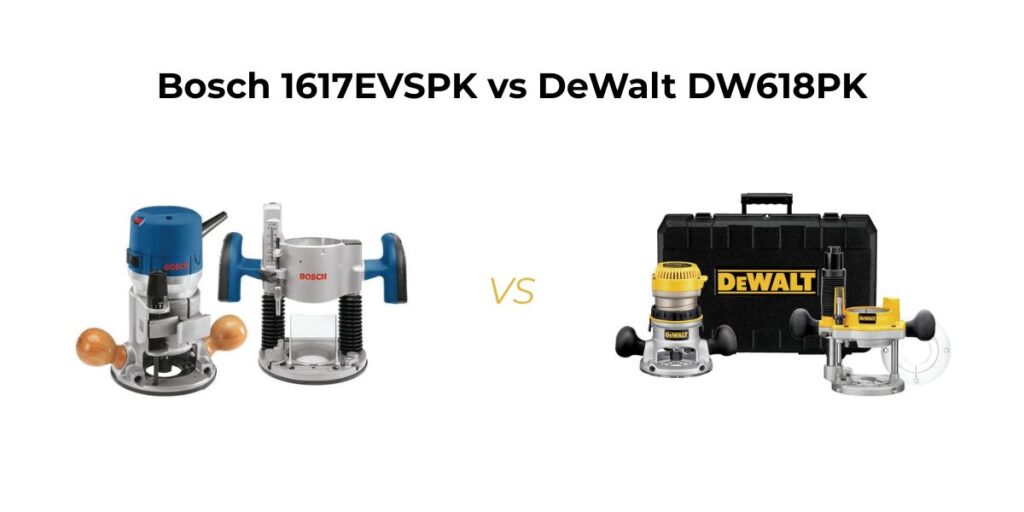
Current Price: $199
Best For: Woodworkers who want long-term reliability
- 2.25 HP motor
- Fixed + plunge base included
- Smoother variable speed control
- Switch issues mostly resolved
- Easier and cheaper to repair
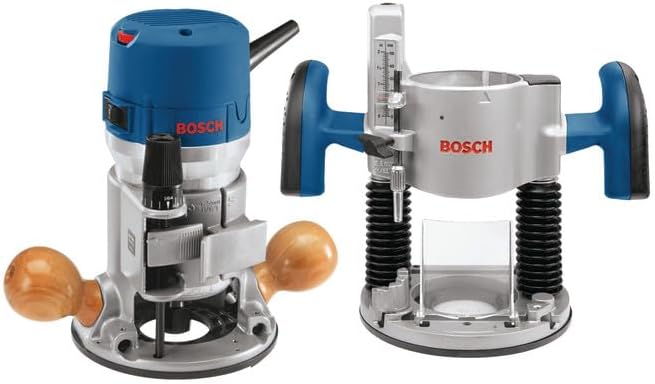

Current Price: $269
Best For: Users who already own DeWalt accessories
- 2.25 HP motor
- Good ergonomics
- Known magnetic ring failures
- Variable speed issues common
- Repairs can cost nearly as much as replacement
Introduction
Now here’s the kicker: The Bosch has a 15-amp motor. The DeWalt? 12 amps.
So you’re paying $70 more… for less power?
Either DeWalt knows something the rest of us don’t, or something weird is happening with these routers.
So, let’s dive in a uncover what’s the real matter is.
Table of Contents
TL;DR
The DeWalt costs more but delivers less power, and it has a critical design flaw—a magnetic ring that shatters in router tables, destroying the motor. The Bosch is cheaper and more powerful but suffers from motor binding issues that require maintenance.
Related Article:
At-a-glance: Bosch 1617EVSPK vs DeWalt DW618PK
| Features | Bosch 1617EVSPK | DeWalt DW618 |
|---|---|---|
| Known Reliability Issue | Dust-prone power switch (older units) | Magnetic ring / variable speed failure |
| Failure Frequency | Occasional | Common (historically) |
| Failure Impact | Intermittent power | Complete speed control loss |
| Ease of Repair | Easy / low cost | Difficult / expensive |
| Manufacturer Response | Repairs & replacements reported | Mixed owner experiences |
| Long-Term Reliability | Better overall | More problematic |
| Where To Buy | Check On Amazon | Check On Amazon |
The Price Inversion That Should Make You Suspicious
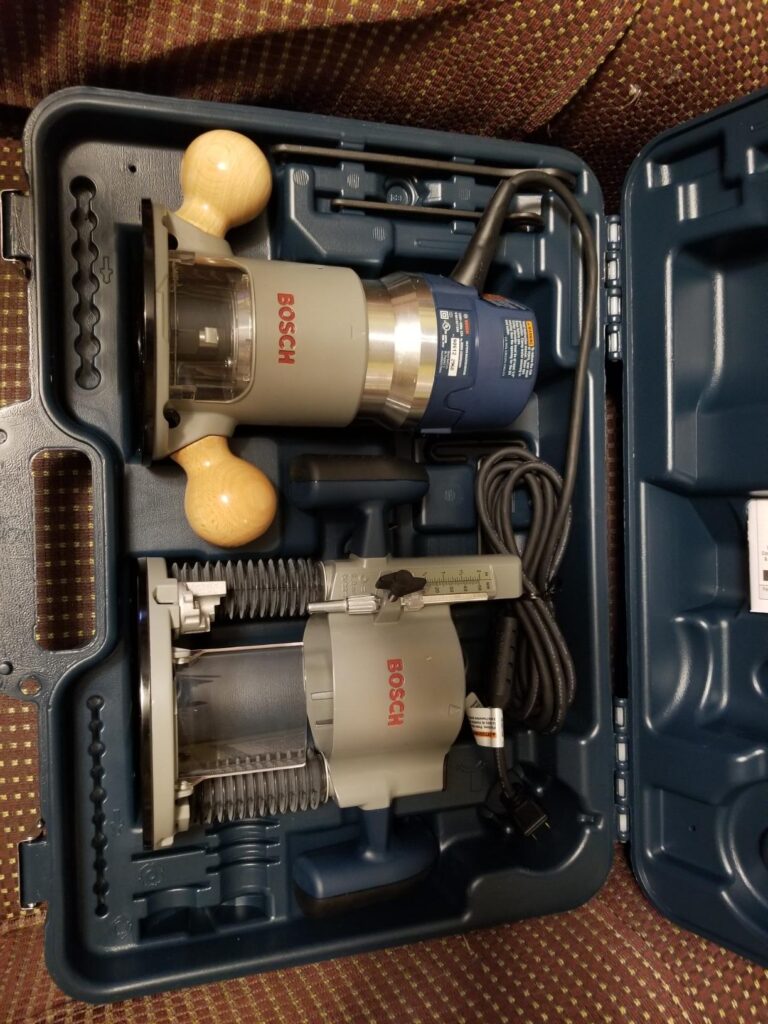
Back in 2009, these two routers were priced within $20 of each other. That made sense—they were legitimate competitors with different strengths.
Fast forward to today, and DeWalt’s price has climbed $70 above Bosch while offering a weaker motor. The 15-amp Bosch delivers 2.5 HP. The 12-amp DeWalt? 2.25 HP.
The usual justification you’ll hear: “DeWalt has a 3-year warranty vs Bosch’s 1-year.” Sounds reasonable, right?
Except that warranty doesn’t mean what you think it means. More on that in a minute.
The Problem DeWalt Doesn’t Want You to Know About
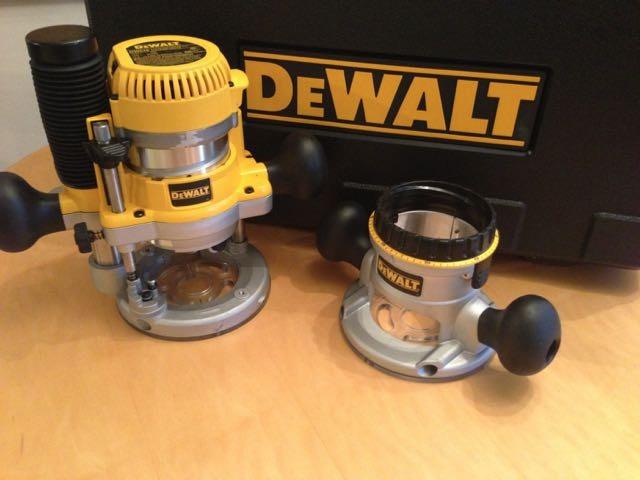
Inside every DeWalt DW618 is a magnetic ring. It’s part of the variable speed control system—necessary for the router to function.
That ring breaks. Not sometimes. Not rarely. Frequently enough that it’s been documented consistently from 2007 all the way to 2025.
When it shatters, the pieces don’t just fall out harmlessly. They get flung into the motor brushes at high speed. The router destroys itself from the inside.
This isn’t a batch defect. This is a design issue.
When Does It Happen?
The magnetic ring typically fails between 6 months and 3 years of ownership. It’s most common when:
- The router is mounted inverted in a router table
- You’re using large bits (especially raised panel bits)
- Extended use sessions generate heat
So basically, it happens when you’re using it the way most woodworkers use a router this powerful.
The Bosch Problem Nobody Talks About Either
Before you think I’m just here to trash DeWalt, let’s talk about what’s wrong with the Bosch.
The motor gets stuck in the base. Not might get stuck—it will get stuck.
The problem is oxidation and corrosion between the magnesium motor housing and the metal base. Over time, these dissimilar metals create a bond that makes switching between fixed and plunge bases nearly impossible.
Canadian Woodworking forum users report that Bosch acknowledged this problem years ago. The company eventually switched to aluminum housings, but the issue still persists in many units.
The Difference? This Problem Is Fixable
Unlike DeWalt’s magnetic ring issue, the Bosch binding problem can be managed:
- Light sanding with 320-grit sandpaper on the motor housing
- Regular application of paste wax to contact surfaces
- Occasional cleaning to remove oxidation
It’s annoying. It requires maintenance. But it doesn’t result in catastrophic failure that destroys your $200 router.
The Router Table Reality Check
Most people buying these combo kits plan to use them in router tables. So let’s talk specifically about how they perform when inverted.
DeWalt in a Router Table
The Good:
- Through-column dust collection actually works well
- Electronic variable speed control is smooth
- Lower center of gravity (though this matters more handheld)
The Bad:
- That magnetic ring failure we talked about? Router tables accelerate it
- Fixed base height adjustment can shift when clamping
- When it fails, you’re buying a new router
Bosch in a Router Table
The Good:
- More reliable long-term (if maintained)
- Lighter weight makes it easier to remove for handheld work
- 15-amp motor handles large bits without bogging
The Bad:
- No built-in dust collection (you’ll need a separate solution)
- Motor binding makes base swapping frustrating
- Fine adjustment system doesn’t cover full range smoothly
What About That Power Difference?
On paper, 15 amps beats 12 amps. The Bosch should be the clear winner for heavy-duty work.
In practice? They are almost the same.”
The amp difference matters more for sustained heavy use—like running raised panel bits for hours. For everyday routing, both have plenty of power.
Where you’ll actually notice the 15-amp motor: Less bogging on startup with large bits, slightly smoother operation under load, better performance on dense hardwoods like maple or oak.
Is that worth compromising on other features? Depends on what you’re building.
The Dust Collection Story
DeWalt wins this category, no question.
The DW618PK has through-column dust collection built into the plunge base. Connect a shop vac, and it actually captures a decent amount of chips and dust.
The Bosch? No built-in system. You’re rigging something yourself or dealing with dust everywhere.
For router table use, this is less critical since you can build dust collection into your table. For handheld work, especially with templates, DeWalt’s system is genuinely useful.
Just remember: Excellent dust collection doesn’t matter if the router destroys itself.
The Switch Problem Bosch Had (and Mostly Fixed)
Fair is fair—Bosch had their own reliability crisis.
A batch of 1617EVSPK units came with faulty power switches. Sawdust would infiltrate through a small hole in the switch housing, causing the router to fail to start or shut off randomly mid-cut.
The key difference: Bosch fixed it. And they covered repairs even for out-of-warranty units in many cases.
Let’s Talk About Real Costs
Here’s the math nobody’s showing you:
Bosch 1617EVSPK: $199
- Potential costs: Paste wax ($8), sandpaper ($5), occasional maintenance time
- Expected lifespan with maintenance: 10+ years
- Total cost of ownership: ~$210
DeWalt DW618PK: $269
- Potential costs: Replacement motor ($150-180), or new router when magnetic ring fails
- Expected lifespan: 6 months to 3 years before major failure (based on user reports)
- Total cost of ownership: $269-450+
Even with the longer warranty, DeWalt’s actual cost of ownership is higher if you hit the magnetic ring problem. And based on the volume of complaints, your odds aren’t great.
The Features That Don’t Matter As Much As You Think
Every comparison article talks about these. Let me save you some time:
Porter-Cable Template Guide Compatibility:
- DeWalt: Works out of the box
- Bosch: Needs a $5-35 adapter
Is this a dealbreaker? No. You buy the adapter once and forget about it.
Soft Start: Both have it. Both work fine.
Variable Speed: Both have it. DeWalt’s electronic control is slightly smoother, but both do the job.
Plunge Lock Mechanisms: Different designs, both functional. Not a deciding factor.
These are the features competitors obsess over because they’re easy to compare. They’re not the features that determine whether your router will still work in two years.
What About That Warranty Again?
DeWalt: 3 years Bosch: 1 year
Sounds like DeWalt wins, right?
Except actual user experiences tell a different story:
DeWalt Warranty Experience:
- “Router was only 1 month over warranty, they were not willing to do anything”
- Magnetic ring failures often classified as “not covered”
- $55 charge for power cord replacement (a known failure point)
Bosch Warranty Experience:
- “Called consumer information, they’re sending a new switch. No questions asked.”
- Reports of out-of-warranty repairs being covered
- Better reputation for actually honoring repairs
A 3-year warranty that doesn’t cover the most common failure mode is worse than a 1-year warranty that actually gets honored.
So Which One Should You Actually Buy?
Forget the generic “buy this if you need power, buy that if you want features” advice. Let’s talk specifics.
Buy the Bosch 1617EVSPK if:
Current Price: $199
Best For: Woodworkers who want long-term reliability
- 2.25 HP motor
- Fixed + plunge base included
- Smoother variable speed control
- Switch issues mostly resolved
- Easier and cheaper to repair
You primarily use a router table The binding issue is manageable. The magnetic ring failure is not. You can sand and wax the Bosch motor housing in 20 minutes. You can’t fix a shattered magnetic ring.
You want the best value $199 for 15 amps vs $269 for 12 amps. Even with maintenance costs, the Bosch is cheaper long-term.
You’re willing to do basic maintenance If cleaning and waxing metal surfaces sounds reasonable to you, the Bosch will serve you well for a decade.
You do a lot of heavy routing That 15-amp motor actually matters when you’re edge-forming oak table tops or running big roundover bits all day.
You already own Porter-Cable accessories Yes, you need an adapter. But if you’re already invested in PC template guides and other accessories, the Bosch works fine with a one-time purchase.
Buy the DeWalt DW618PK if:
Current Price: $269
Best For: Users who already own DeWalt accessories
- 2.25 HP motor
- Good ergonomics
- Known magnetic ring failures
- Variable speed issues common
- Repairs can cost nearly as much as replacement
You do mostly handheld work The dust collection system is genuinely useful for template routing and edge work. If you’re rarely in a router table, your magnetic ring failure risk drops significantly.
You need the best dust collection If dust control is your top priority and you can’t rig an alternative solution, DeWalt’s through-column system is worth it.
You’re buying an extended warranty If you can get a 5-year protection plan through your retailer, that changes the calculation. Make sure it covers internal component failures.
You plan to upgrade in 2-3 years anyway If this is a stepping stone to a bigger, more expensive router later, and you’re okay with potential replacement costs, the DeWalt might last long enough for your needs.
Skip Both If:
You do 80%+ router table work Consider a dedicated router table motor from Triton or Milwaukee. They’re designed for inverted use and don’t have the failure modes of convertible routers.
You need absolute reliability for professional work Neither of these routers is bulletproof. If downtime costs you money, look at industrial-grade options from Festool or Mafell.
You want something more portable These are 10+ pound combo kits. If you need lightweight, consider a trim router and a separate table setup.
The Bottom Line: Bosch 1617EVSPK vs DeWalt DW618PK
The DeWalt DW618PK costs more, delivers less power, and has a critical design flaw that the manufacturer refuses to acknowledge or fix. The warranty is longer on paper but meaningless in practice.
The Bosch 1617EVSPK is cheaper, more powerful, and has an annoying-but-fixable maintenance requirement.
Neither router is perfect. But one of them is still working in workshops 10 years later, and one of them is in the trash after 18 months.
For $199, the Bosch gives you more motor, better long-term value, and problems you can actually solve. For $269, the DeWalt gives you better dust collection and a ticking time bomb inside the motor housing.
If you want to pay $70 more for dust collection and brand name, that’s your call. Just know what you’re risking.
Me? I’d buy the Bosch, spend $10 on paste wax and sandpaper, and pocket the $60 difference. That $60 will buy you a nice set of router bits—which you’ll actually be able to use because your router will still be working in three years.
FAQs
1. Did Bosch 1617 routers really have a switch problem?
Yes. Older Bosch 1617 units had unsealed power switches that could clog with sawdust and cause intermittent power issues.
2. Did Bosch fix the 1617 switch issue?
Mostly yes. Bosch redesigned later switches and often repaired or replaced faulty ones when owners contacted support.
3. Is the Bosch 1617 switch issue still common today?
No. Reports still exist, but they’re rare compared to earlier years.
4. What was the DeWalt DW618 magnetic ring problem?
The magnetic ring in some DW618 routers could fail, breaking variable speed control or stopping the router entirely.
5. Is the DW618 magnetic ring issue more serious than Bosch’s switch issue?
Yes. DW618 failures were more widespread and often required full motor or electronics replacement.
6. Which router has the better long-term reliability record?
Bosch 1617. Its issues were easier to fix and less likely to permanently disable the tool.