

Introduction
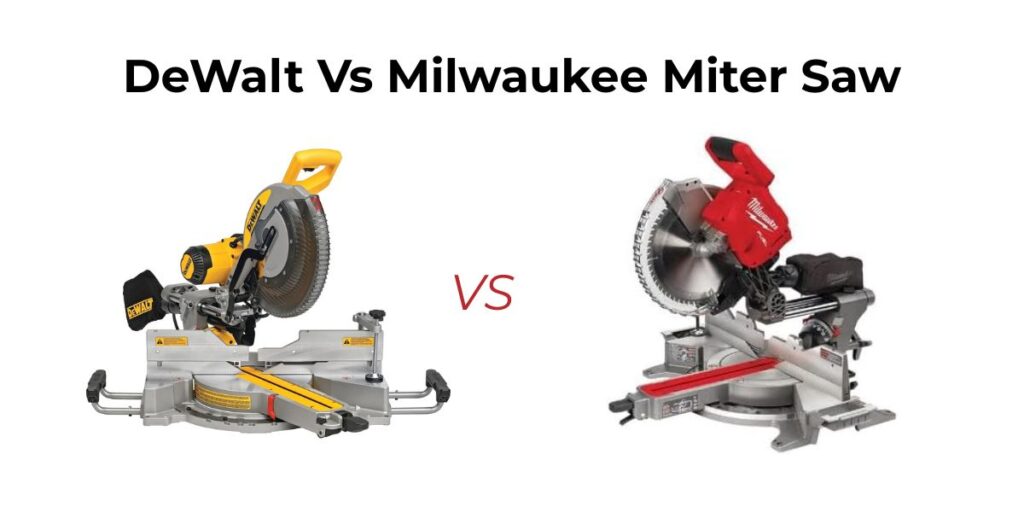
The DeWalt vs Milwaukee miter saw debate has probably kept you up at night (okay, maybe not literally, but you know what I mean).
I’ve been there. Choosing between these two powerhouse brands feels like picking your favorite child. Both make incredible tools, but here’s the thing – one might be perfect for you while the other is better for your buddy down the street.
Let me break down what actually matters when you’re comparing DeWalt vs Milwaukee miter saw.
Table of Contents
Why This Comparison Actually Matters?
Here’s the deal: A miter saw isn’t a $20 impulse buy. You’re dropping serious cash, and you’ll use this thing for years. Get it wrong, and you’ll curse yourself every time you make a cut.
Both DeWalt and Milwaukee have die-hard fans. Walk into any job site, and you’ll find crews who swear by one or the other. But which one deserves your hard-earned money?
DeWalt vs Milwaukee Miter Saw: The Quick Answer
If you want the short version: DeWalt miter saws typically offer better value and are easier to find everywhere. Milwaukee miter saws bring more innovative features and slightly more power.
But that’s like saying “chocolate or vanilla?” without knowing what you’re making. Let’s dig deeper.
Related Articles:
Understanding What You’re Really Comparing
| Features | DeWalt | Milwaukee |
|---|---|---|
| Price Range | $400 - $700 | $550 - $750 |
| Power (Corded) | 15 amp, 3,800 RPM | 15 amp, 3,800 RPM |
| Cut Capacity (12") | 16" crosscut at 90° | 16" crosscut at 90° |
| Popular Models | DWS780, DWS779, DHS790 | 6955-20, 2734-21HD, 2733-21HD |
| Cut Line System | XPS LED shadow (DWS780) | LED lights + laser options |
| Dust Collection | ~75% efficiency | ~70% efficiency |
| Warranty | 3-year limited | 5-year tool / 3-year battery |
| Weight (12" models) | 56-60 lbs | 50-58 lbs |
| Cordless Options | FlexVolt 60V system | M18 Fuel brushless system |
| Battery Compatibility | 20V/60V FlexVolt | M18 (across 250+ tools) |
| Best For | Value, availability, DIYers | Innovation, pro features, M18 users |
| Accuracy | Excellent (tight detents) | Excellent (digital readouts) |
| Blade Change | Tool-free, very easy | Tool-free, slightly less intuitive |
| Verdict | Best overall value | Best for feature lovers |
When we talk about DeWalt vs Milwaukee miter saw options, we’re usually looking at these popular models:
DeWalt’s Heavy Hitters:
- DWS780 (12-inch double bevel sliding compound)
- DWS779 (12-inch sliding compound)
- DHS790AT2 (12-inch FlexVolt cordless)
Milwaukee’s Main Players:
- 2734-21HD (18V Dual Bevel sliding)
- 2733-21HD (10-inch Dual Bevel sliding)
- 6955-20 (12-inch corded sliding)
Each brand has different models, but I’m focusing on what most people actually buy.
Power and Performance: Where the Rubber Meets the Road
Cutting Power
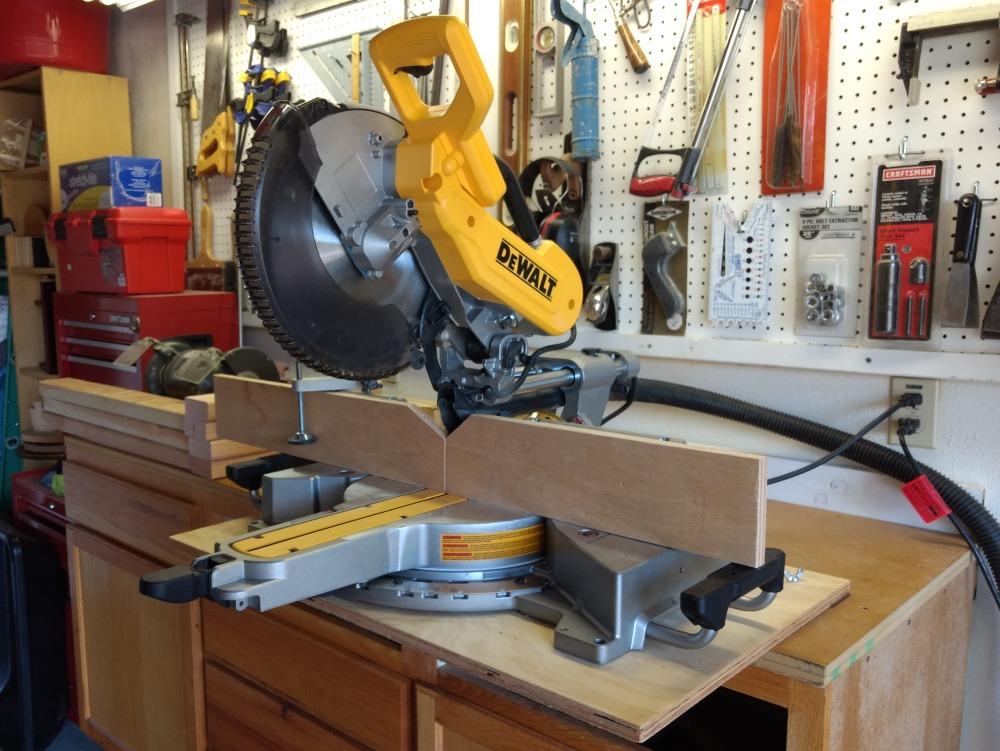
DeWalt miter saws typically run on 15-amp motors. The DWS780, for example, spins at 3,800 RPM. That’s plenty of muscle for hardwoods, treated lumber, and even some tougher materials.
Milwaukee pushes the envelope a bit. Their corded models also hit 15 amps, but their dual bevel sliding compound miter saw designs often feel more aggressive in the cut. It’s hard to explain, but when you’re ripping through oak, you feel the difference.
Real talk: For 90% of users, both brands have more than enough power. You won’t bog down either one unless you’re doing something really unusual.
Cut Capacity
This is where things get interesting in the DeWalt vs Milwaukee miter saw debate.
DeWalt’s DWS780 gives you:
- 12-inch vertical capacity against the fence
- 6-3/4 inch nested crown capacity
- 16 inches crosscut at 90 degrees
Milwaukee’s 6955-20 delivers:
- 12-inch vertical capacity
- 6-1/2 inch nested crown capacity
- 16 inches crosscut at 90 degrees
They’re nearly identical. Both handle standard crown molding. Both cut through 4×4 posts. Both manage 2x12s at 45 degrees.
The cordless Milwaukee models sacrifice a tiny bit of capacity, but we’re talking fractions of an inch.
Accuracy: Can You Trust Your Cuts?

This is huge. A miter saw that’s off by even a degree will drive you absolutely crazy.
Bevel and Miter Adjustments
DeWalt built their reputation on accuracy. The DWS780 features positive stops at common angles. The adjustment system is smooth but tight enough that settings don’t drift.
Milwaukee’s miter saw accuracy is equally impressive. Their detent system clicks into place with satisfying precision. The digital display on some models (yeah, a digital readout on a saw) eliminates guesswork.
I’ve used both extensively. Honestly? Both are accurate out of the box. Both stay accurate with regular use.
Pro tip: Even the best sliding compound miter saw needs occasional calibration. Don’t blame the saw if you haven’t checked your settings in two years.
Features That Actually Matter
Dust Collection
Let’s be honest – all miter saw dust collection systems kinda suck. It’s the nature of the beast.
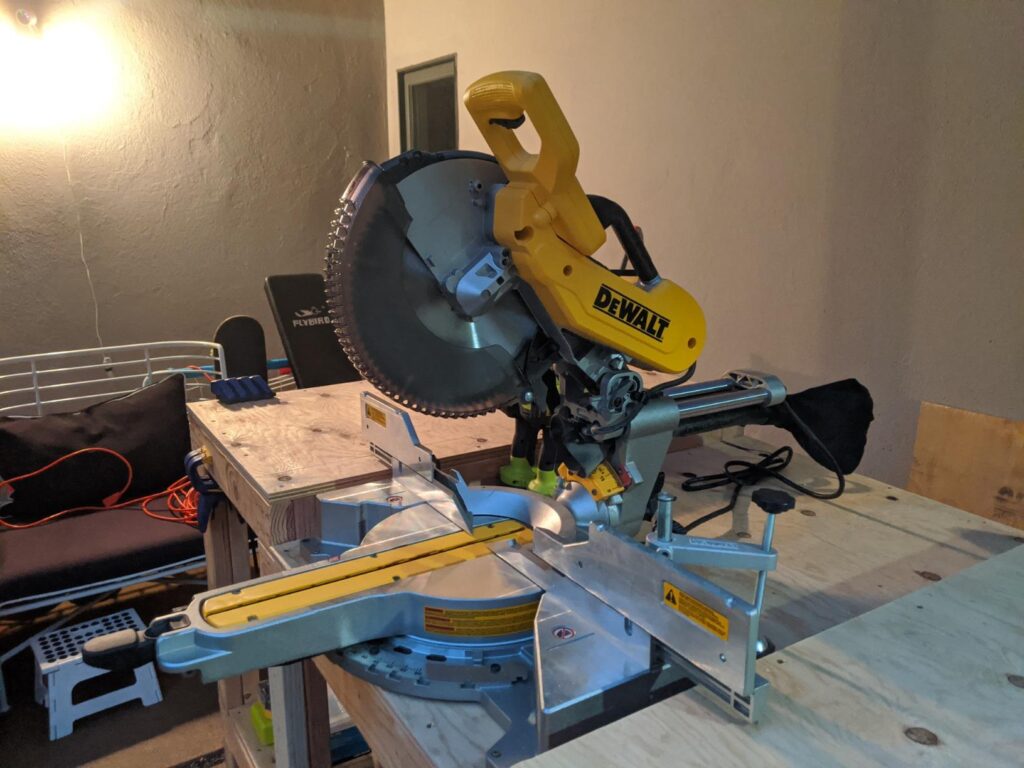
That said, DeWalt’s dust collection gets about 75% of the sawdust. Milwaukee catches maybe 70%. Neither is perfect, but both are better than budget brands.
You’ll still need a shop vac. Just accept it.
LED Lighting and Cut Lines
DeWalt’s XPS system projects an LED shadow of the blade onto your workpiece. No lasers to calibrate. No lines to adjust. The shadow shows exactly where the blade will cut.
Milwaukee uses LED lights to illuminate the cut line. Some models include lasers. Both approaches work.
Which is better? I prefer DeWalt’s XPS because it’s maintenance-free. But Milwaukee’s lighting is brighter in dim workshops.
Fence Design
Both brands use tall, sturdy fences. Both slide out of the way for bevel cuts. Both have measurement marks.
Milwaukee’s fence feels slightly beefier. DeWalt’s is easier to remove for those rare times you need it off completely.
Stand and Portability
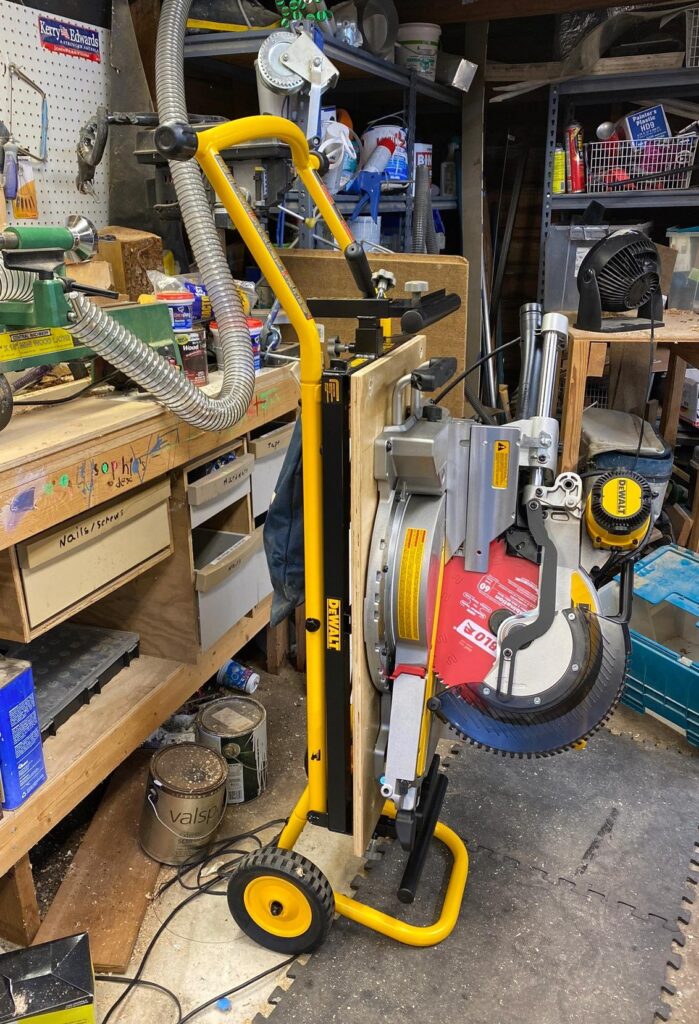
Most DeWalt miter saws work with their universal quick-connect mounting system. Milwaukee has their own system.
Neither comes with a stand (usually), so you’re buying separately anyway. Both brands offer excellent stands. I give DeWalt a slight edge because their mounting brackets are more common – easier to find used or adapt to custom setups.
Cordless vs Corded: The Modern Dilemma
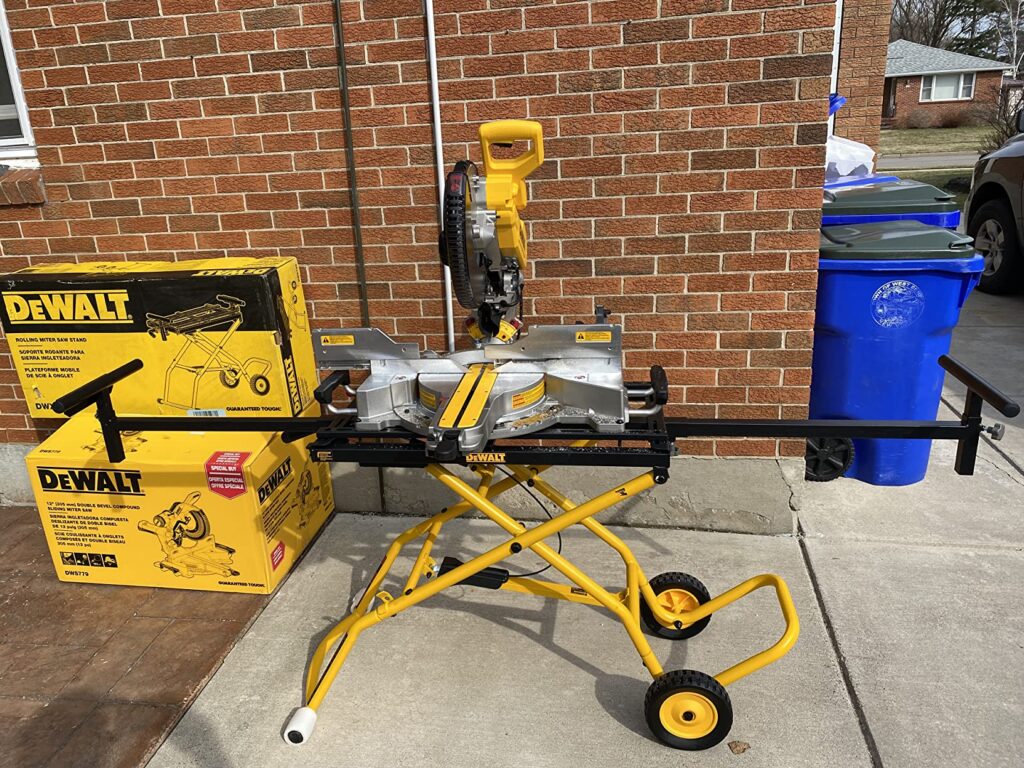
This is where the DeWalt vs Milwaukee miter saw conversation gets really interesting.
DeWalt’s Cordless Approach
DeWalt’s FlexVolt system is genius. The DHS790 runs on FlexVolt batteries that automatically switch between 20V and 60V. You get serious runtime without being tethered to an outlet.
I’ve run this saw on job sites without power. It handles everything a corded model does. The batteries are expensive, but if you’re already in the DeWalt 20V ecosystem, you might have them.
Milwaukee’s Cordless Option
Milwaukee’s M18 Fuel miter saws are incredibly popular. The 2734-21HD is brushless, powerful, and truly portable.
The M18 system is massive. If you’ve got Milwaukee batteries for other tools, this miter saw shares them. That’s a game-changer for mobile work.
Bottom line: Both cordless miter saws perform admirably. Choose based on which battery system you already own. If you’re starting fresh, either works great.
Build Quality and Durability
Both DeWalt and Milwaukee build tools that last. I’m talking ten-plus years with normal care.
DeWalt uses a lot of metal in their construction. The saw feels substantial. Components are replaceable. Parts are available.
Milwaukee’s build quality is equally rugged. They seem to use slightly more composite materials, but they’re high-quality composites. Everything feels overbuilt in the best way.
I’ve never seen either brand fail from normal use. Accidents happen, but quality-wise, they’re both top-tier.
Price: What Are You Actually Paying?
Here’s where your wallet starts talking.
DeWalt Miter Saw Prices
- DWS779: Around $400-$450
- DWS780: Around $600-$650
- DHS790 (cordless with batteries): Around $650-$700
Milwaukee Miter Saw Prices
- 6955-20: Around $600-$650
- 2734-21HD (cordless): Around $600-$700
- 2733-21HD (10-inch cordless): Around $550-$600
Milwaukee typically runs $50-$100 more for comparable features. DeWalt offers more budget-friendly entry points.
Money-saving tip: Watch for holiday sales. Both brands offer significant discounts around Black Friday, Memorial Day, and Father’s Day.
User Experience: The Stuff Nobody Talks About
Controls and Adjustments
DeWalt’s miter saw controls are intuitive. Blade changes are tool-free. The bevel lock is easy to reach.
Milwaukee’s controls have a more modern feel. Everything clicks and locks positively. The sliding mechanism feels smoother.
Both are easy to learn. Neither requires a PhD to operate.
Weight and Size
Most 12-inch models weigh 50-60 pounds. Both brands fall in this range. You’re not carrying either one with a single hand.
The footprint is similar too. Both need about 3 feet of space when fully extended.
Noise Level
Miter saws are loud. Period.
Both the DeWalt and Milwaukee miter saw models hit around 90-95 decibels under load. Wear hearing protection. Always.
Safety Features Comparison
DeWalt includes:
- Electric brake (stops blade in 2-3 seconds)
- Blade guard that automatically retracts
- Secure bevel lock
Milwaukee includes:
- Electric brake (similar stopping time)
- Transparent blade guard for better visibility
- Digital safety features on some models
Both are extremely safe when used properly. Neither has a significant safety advantage.
Best DeWalt Miter Saw Models
DWS780: The Gold Standard
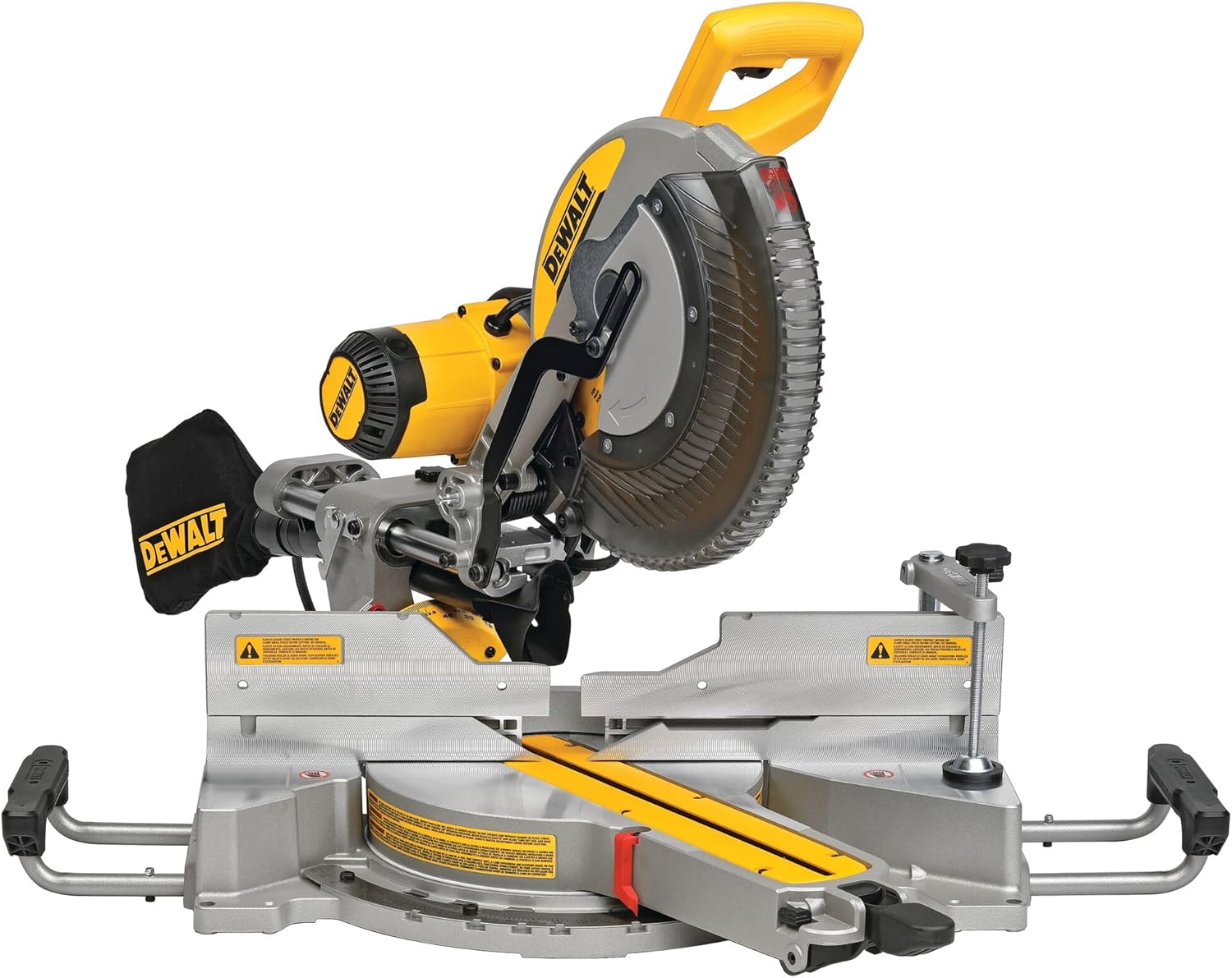
This is DeWalt’s flagship. The double bevel sliding compound miter saw does everything. The XPS cut line system is fantastic. It’s the saw I recommend most often.
Best for: Serious DIYers and professionals who want one saw that does it all.
DWS779: The Value King
Almost identical to the DWS780 but without the XPS system. You save about $150-200. It’s an incredible deal if you don’t mind using the standard laser.
Best for: Budget-conscious buyers who don’t need the fancy cut line system.
DHS790AT2: The Cordless Wonder
For mobile work or job sites without power, this FlexVolt miter saw is phenomenal. It’s expensive, but the freedom is worth it.
Best for: Contractors who move between sites or anyone building a deck far from an outlet.
Best Milwaukee Miter Saw Models
6955-20: The Workhorse
Milwaukee’s flagship corded model. It’s powerful, accurate, and built like a tank. The dual bevel sliding compound design makes complex cuts simple.
Best for: Professionals who need reliability and don’t mind corded operation.
2734-21HD: Cordless Freedom
The M18 Fuel miter saw that changed the game. It’s genuinely powerful enough for all-day work. The brushless motor is incredibly efficient.
Best for: Milwaukee tool ecosystem users who want portability without compromise.
2733-21HD: The Compact Option
A 10-inch sliding miter saw that’s easier to transport. Smaller capacity, but perfect for trim work and finish carpentry.
Best for: Trim carpenters and installers who prioritize portability.
DeWalt vs Milwaukee Miter Saw: Who Wins for Different Users?
For Professional Contractors
Winner: Slight edge to Milwaukee
Milwaukee’s innovations and slightly more robust feel appeal to pros who use their tools hard. The M18 ecosystem is also massive, offering great battery interchangeability.
That said, tons of professionals swear by DeWalt. You can’t go wrong with either.
For Serious DIYers
Winner: DeWalt
The DWS779 offers professional features at a more accessible price. DeWalt’s parts availability and service network are slightly better for homeowners.
For Cordless Needs
Winner: Depends on your battery ecosystem
Already own DeWalt 20V batteries? Get the FlexVolt. Already have Milwaukee M18 batteries? Get the Fuel miter saw.
Starting fresh? Milwaukee’s M18 line is slightly larger and more versatile across all tool types.
For Budget-Conscious Buyers
Winner: DeWalt
DeWalt offers more entry-level models with professional features. The DWS779 is hard to beat for value.
For Crown Molding and Trim Work
Winner: Tie
Both handle crown molding beautifully. Both offer dual bevel options. Choose based on other factors.
Common Problems and Solutions
DeWalt Issues
Laser Alignment (DWS779): The laser can drift. It’s adjustable but annoying. The XPS system on the DWS780 avoids this problem.
Dust Port Size: DeWalt’s dust ports sometimes don’t match universal vacuum fittings. You might need an adapter.
Sliding Rail Deflection: On older models, the rails can develop slight play. It’s fixable with adjustment, but it shouldn’t happen.
Milwaukee Issues
Battery Cost: Milwaukee batteries are expensive. The saw is useless without them (for cordless models).
Availability: Milwaukee sometimes has stock issues. DeWalt is more consistently available everywhere.
Blade Changes: Some users find Milwaukee’s blade change process slightly less intuitive than DeWalt’s.
Maintenance Tips for Both Brands
Both the DeWalt and Milwaukee miter saw tools need regular care:
Every 10 Hours of Use:
- Blow out dust from the motor vents
- Check blade tightness
- Verify accuracy at common angles
Every 50 Hours:
- Clean and lubricate the sliding rails
- Check all bolts and screws
- Inspect the blade for damage
Annually:
- Complete calibration check
- Replace brushes if applicable
- Deep clean all moving parts
Neither brand requires extensive maintenance. Basic care keeps them running for years.
Accessories and Blade Compatibility
Both use standard 12-inch blades (or 10-inch for smaller models). Any quality blade fits either saw.
Blade recommendations:
- Framing: 24-tooth carbide
- Fine finish: 60-80 tooth
- General purpose: 40-50 tooth
DeWalt and Milwaukee both sell excellent blades, but you’re not locked into their brands. Freud, Diablo, and other manufacturers work perfectly.
Warranty and Customer Support
DeWalt offers:
- 3-year limited warranty
- 1-year free service contract
- 90-day money-back guarantee
Milwaukee offers:
- 5-year tool warranty (3-year on batteries)
- Extensive service center network
- Strong reputation for honoring warranties
Milwaukee edges ahead on warranty length. DeWalt’s service network is slightly larger geographically.
Both companies have responsive customer support. I’ve dealt with both for warranty claims and had good experiences.
The Verdict: DeWalt vs Milwaukee Miter Saw
After thousands of cuts with both brands, here’s my honest take:
Choose DeWalt if:
- You want better value for money
- You prefer the XPS cut line system
- You need a saw that’s available everywhere
- You’re building or expanding a DeWalt tool ecosystem
Choose Milwaukee if:
- You want cutting-edge features
- You’re already invested in M18 batteries
- You value slightly more aggressive cutting performance
- The longer warranty appeals to you
The truth? Both are exceptional miter saws. You’re not making a mistake with either brand.
I own both. I reach for my DeWalt DWS780 more often because I bought it first and know it intimately. But when I use the Milwaukee, I’m never disappointed.
Final Thoughts
The DeWalt vs Milwaukee miter saw debate doesn’t have a wrong answer.
Both companies make outstanding tools. Both will serve you well for years. Both deliver professional-grade performance.
My advice? Think about your broader tool ecosystem. If you’ve already got batteries from one brand, stick with them for cordless models. If you’re buying corded, try both in a store if possible. The one that feels better in your hands is the right choice.
Don’t overthink it. Both are incredible sliding compound miter saws. Buy either one, learn to use it well, and you’ll be making perfect cuts for decades.
What matters most isn’t DeWalt vs Milwaukee – it’s learning proper technique, maintaining your saw, and always measuring twice before cutting. The saw is just a tool. You’re the craftsman.
FAQs
Is DeWalt or Milwaukee better for miter saws?
Neither is definitively better. DeWalt offers better value and accessibility. Milwaukee provides more innovation and slightly more power. Choose based on your specific needs and existing tool ecosystem.
What’s the best DeWalt miter saw?
The DWS780 is DeWalt’s best overall miter saw with the XPS cut line system and dual bevel. For value, the DWS779 is nearly identical but costs less.
Are Milwaukee miter saws worth the extra cost?
If you’re already using Milwaukee batteries or need their specific features, yes. For most users, DeWalt offers equal performance at a lower price.
Can you use DeWalt blades on Milwaukee miter saws?
Yes! Both use standard blade sizes. Any quality 12-inch blade (or 10-inch for smaller models) works on either brand.
Which sliding compound miter saw is most accurate?
Both DeWalt and Milwaukee deliver excellent accuracy. The DWS780’s XPS system makes it easier to maintain accuracy without laser calibration.
Do professionals prefer DeWalt or Milwaukee?
It’s genuinely split. Many framing crews prefer Milwaukee. Many trim carpenters prefer DeWalt. Both have massive professional followings.
How long do these miter saws last?
With proper care, both brands easily last 10-15 years. Many professionals still use DeWalt and Milwaukee miter saws from the early 2010s.