
Introduction
When you’re shopping for a thickness planer, two names keep popping up: Oliver and DEWALT. I’ve spent weeks researching both brands, and I’m going to break down everything you need to know to make the right choice.
Let me be straight with you – choosing between an Oliver vs DEWALT planer isn’t always easy. Both are solid machines, but they serve different needs and budgets. By the end of this guide, you’ll know exactly which one fits your workshop.
Table of Contents
Quick Answer: Which Planer Should You Buy?
Choose DEWALT if:
- You’re a DIYer or weekend woodworker
- Budget is a major concern ($300-$600 range)
- You need portability and lighter weight
- You work on smaller projects
Choose Oliver if:
- You’re a professional woodworker
- You want industrial-grade quality
- You need precision for high-end projects
- Budget isn’t your main concern ($2,000+ range)
Now, let’s dive deep into this Oliver vs DEWALT planer comparison.
Understanding Oliver and DEWALT: Brand Overview
Who Makes Oliver Planers?
Oliver Machinery has been around since 1890. Yes, you read that right – over 130 years of making woodworking equipment. They’re known for heavy-duty, professional-grade machines that last for decades.
Oliver planers are made for serious woodworkers. We’re talking cabinet shops, professional furniture makers, and people who run their equipment hard every single day.
Who Makes DEWALT Planers?
DEWALT is part of Stanley Black & Decker. They’ve built a reputation on job sites everywhere. Their bright yellow tools are everywhere from construction sites to home workshops.
When it comes to planers, DEWALT focuses on the prosumer and hobbyist market. They make reliable machines that won’t break the bank.
Related Article:
Makita Vs DeWalt Planer: Which Is Best In 2026?
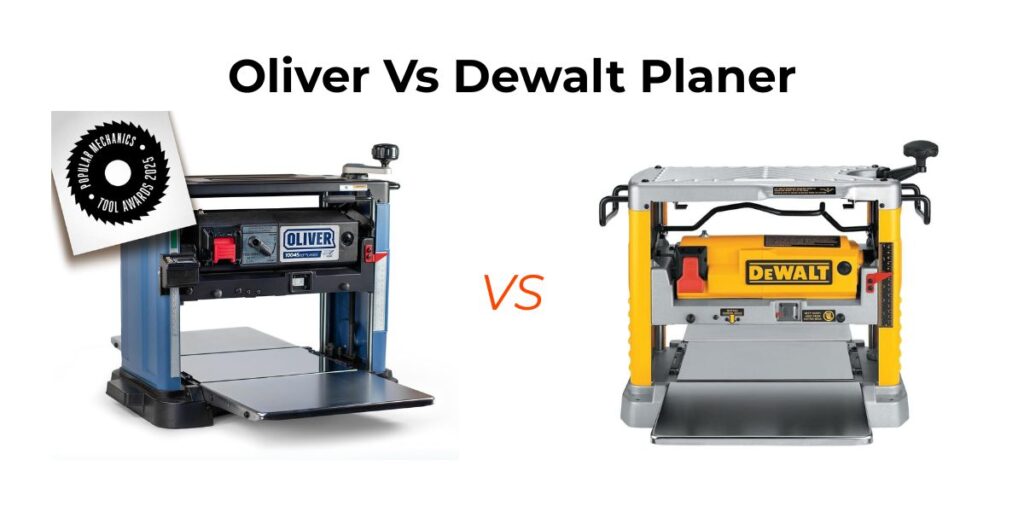
Oliver vs DEWALT Planer: Head-to-Head Comparison
| Features | DEWALT | OLIVER |
|---|---|---|
| Price Range | $600-$700 | $3,000-$4,000 |
| Cutting Width | 13 inches | 16 inches |
| Motor Power | 15 amp (2 HP) | 3-5 HP |
| Power Required | 110V (standard outlet) | 220V (dedicated circuit) |
| Weight | 92 lbs | 400-800 lbs |
| Portability | Highly portable | Stationary only |
| Build Material | Cast aluminum | Cast iron |
| Cutterhead Speed | 10,000 RPM | Variable (typically 5,000-6,000 RPM) |
| Dust Collection | Fan-assisted, 2.5" port | Industrial 4" port |
| Warranty | 3 years | 1-2 years (industrial standard) |
| Noise Level | 90-95 dB | 85-95 dB |
| Resale Value | 50-60% of new | 70-80% of new |
1. Build Quality and Durability
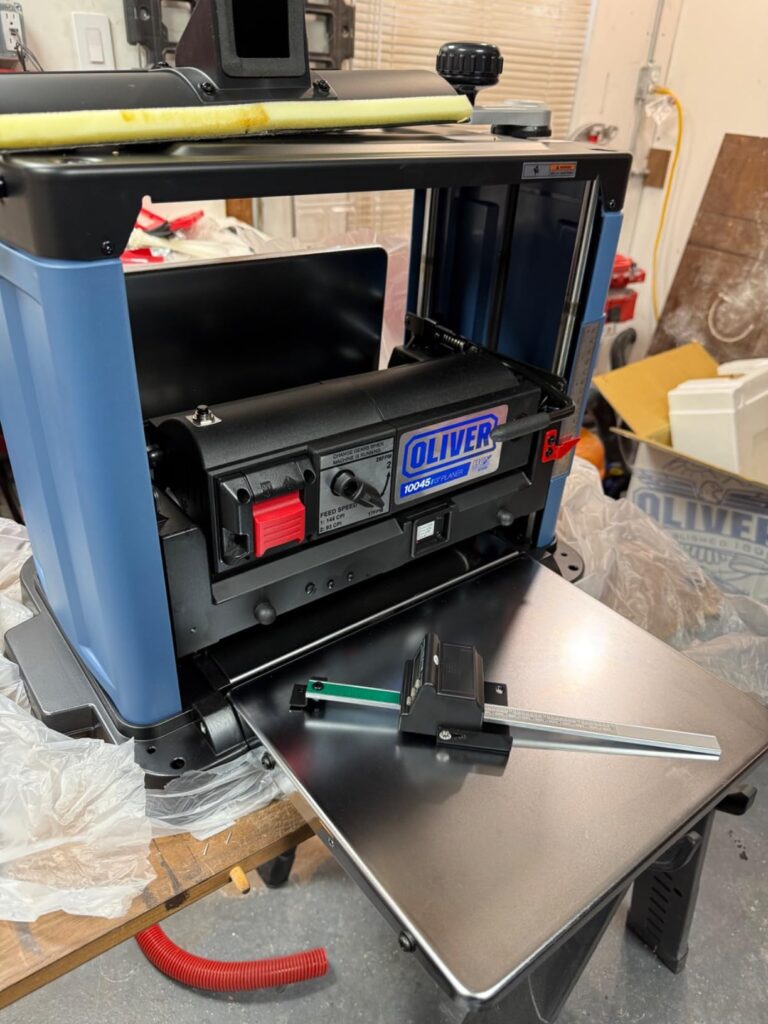
Oliver Planers: The moment you see an Oliver planer, you notice the difference. These machines are built like tanks. Cast iron construction, precision-ground beds, and components that feel solid.
I’m talking about planers that weigh 400-800 pounds. That’s not a typo. This weight isn’t just for show – it reduces vibration and increases stability during heavy cuts.
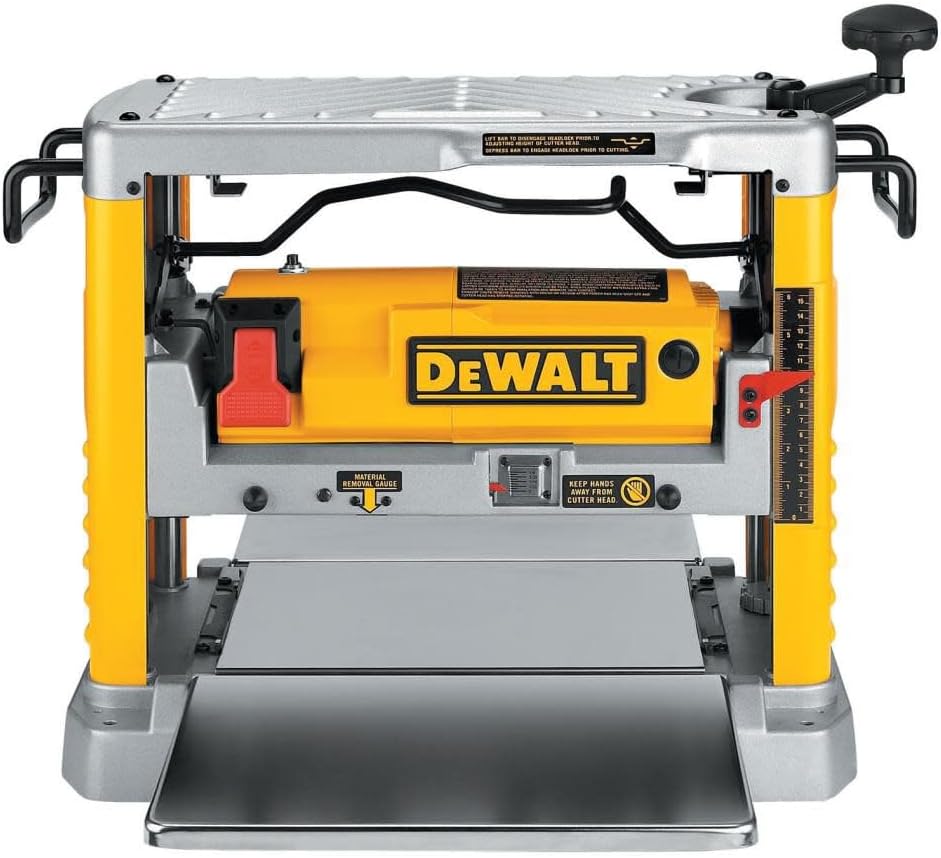
DEWALT Planers: DEWALT planers use a lighter construction. You’re looking at 90-100 pounds for models like the DW735X. They use cast aluminum heads with machined tables.
Don’t get me wrong – DEWALT builds quality tools. But comparing Oliver vs DEWALT planer construction is like comparing a commercial truck to a pickup. Both work, but they’re designed for different loads.
Winner: Oliver (if you need maximum durability)
2. Motor Power and Performance
Oliver Planers: Oliver thickness planers typically run on 220V power with 3-5 HP motors. Some models go even higher. This means you can take deeper cuts without bogging down the machine.
When you’re running hardwood like maple or oak through an Oliver, the machine doesn’t even flinch. That’s the difference professional-grade power makes.
DEWALT Planers: The popular DEWALT DW735X has a 15-amp motor (about 2 HP). It runs on standard 110V household power, which is actually a huge convenience factor.
Can it handle hardwoods? Absolutely. But you’ll need to take lighter passes compared to an Oliver planer. For most hobbyists, this isn’t a problem at all.
Winner: Oliver (raw power), DEWALT (convenience and home workshop use)
3. Cutting Capacity and Width
Oliver Planers: Oliver offers various models with cutting widths from 15″ to 24″ or more. The larger professional models can handle truly massive slabs.
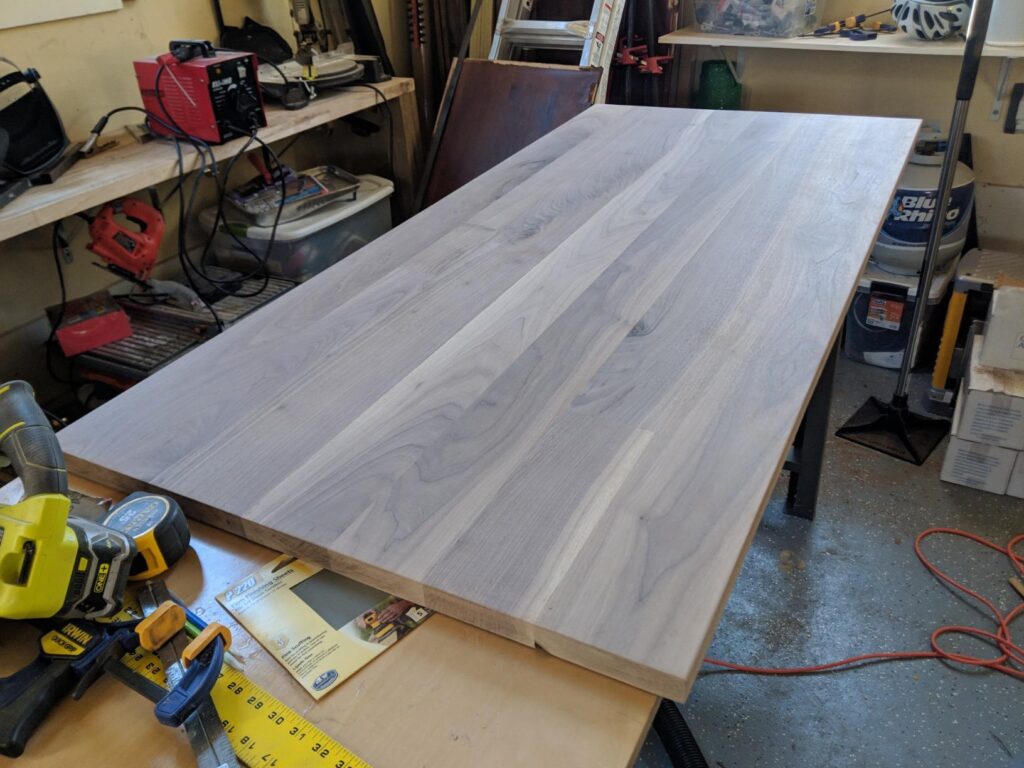
If you’re making dining tables, bar tops, or large panels, this extra capacity is invaluable.
DEWALT Planers: The most popular DEWALT planers max out at 13″ wide (like the DW735X). The DW734 is 12.5″. This covers about 90% of what home woodworkers need.
For the Oliver vs DEWALT planer debate, ask yourself: Do you regularly work with boards wider than 13 inches?
Winner: Oliver (for capacity)
4. Precision and Smoothness of Cut
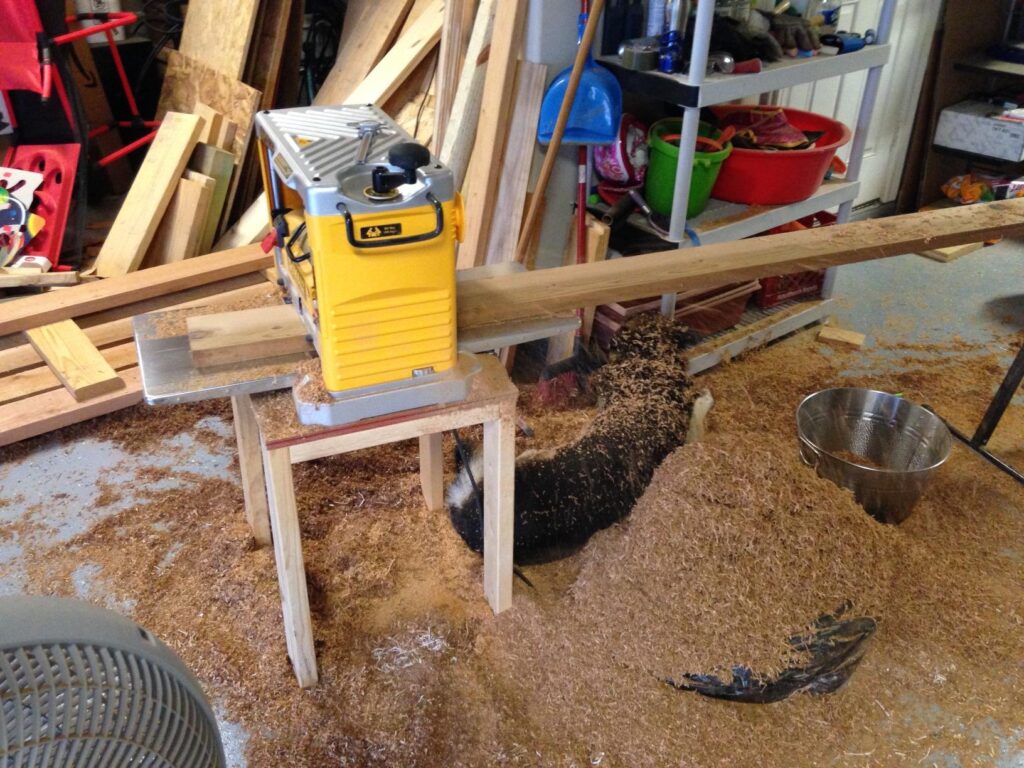
Oliver Planers: Oliver planers deliver exceptional precision. We’re talking about machines that can hold tolerances within a few thousandths of an inch all day long.
The larger cutterhead, better bearings, and solid construction mean you get glass-smooth surfaces. Many Oliver users report needing minimal sanding after planing.
DEWALT Planers: DEWALT planers, especially the DW735X with its three-knife cutterhead, produce excellent results for the price point. The cutterhead speed is actually quite fast at 10,000 RPM, which helps create a smooth finish.
You might see occasional snipe (uneven cuts at board ends), but it’s manageable with proper technique.
Winner: Oliver (for ultimate precision)
5. Portability and Shop Space

Oliver Planers: Let me be blunt – Oliver planers don’t move. Once you set up an Oliver in your shop, that’s where it lives. These machines need dedicated floor space and sometimes special electrical setup.
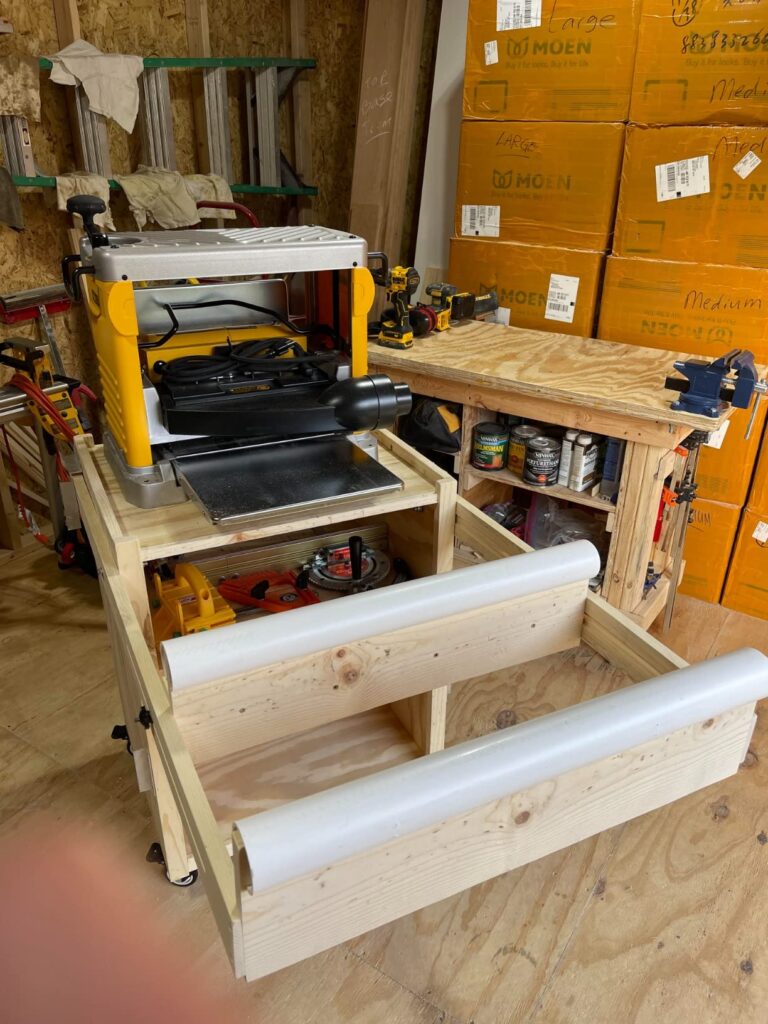
DEWALT Planers: This is where DEWALT shines. A DEWALT thickness planer fits on a workbench or a mobile stand. You can move it around, store it when not in use, or even take it to job sites.
For small shop woodworking or garage workshops, this flexibility is huge.
Winner: DEWALT (hands down)
6. Dust Collection
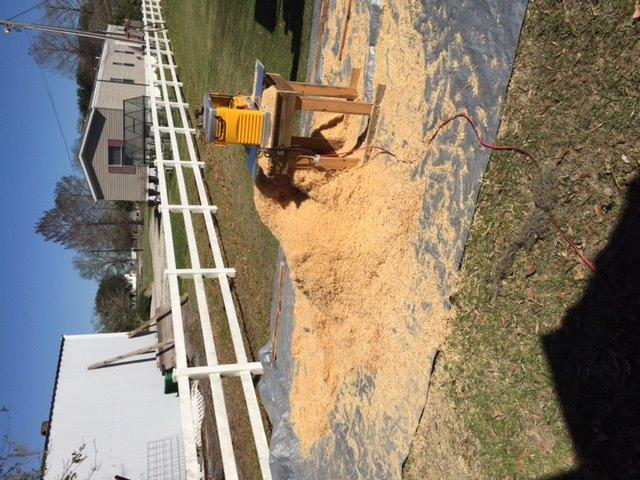
Oliver Planers: Oliver planers come with industrial-grade dust ports (usually 4″ diameter). Connect these to a proper dust collection system, and you’ll capture almost all the chips and shavings.
Professional shops typically have dust collection systems anyway, so this works perfectly.
DEWALT Planers: DEWALT planers have built-in fan-assisted dust ejection. The DW735X is actually pretty good at this. But it’s designed more for shop vacs or smaller dust collectors.
You’ll still get some dust in the air, especially during heavy planing sessions.
Winner: Oliver (with proper dust collection setup)
7. Price Comparison: Oliver vs DEWALT Planer Cost
Here’s where things get really different.
DEWALT Planer Prices
- DEWALT DW734: Around $400-$450
- DEWALT DW735X (with stand and extra knives): $600-$700
- Used DEWALT planers: $250-$400 depending on condition
Oliver Planer Prices
- Oliver thickness planers: Starting around $2,000 and going up to $10,000+
- Used Oliver planers: $1,500-$5,000 depending on age and model
When comparing Oliver vs DEWALT planer pricing, you’re looking at a 3-10x difference. This isn’t because DEWALT is cheap – it’s because Oliver is truly industrial equipment.
Real-World Use Cases: Who Should Buy What?
Buy a DEWALT Planer If You:
- Are a hobbyist woodworker – You build furniture on weekends, make cutting boards, or enjoy woodworking as a hobby.
- Have a limited budget – Most people can’t justify spending $2,000+ on a planer, and that’s perfectly okay.
- Work in a small space – Garage workshops, basement shops, or shared spaces need portable equipment.
- Do occasional projects – You’re not running the machine 8 hours a day.
- Use standard power – You don’t want to install 220V outlets.
Buy an Oliver Planer If You:
- Run a professional woodworking business – When your income depends on your tools, invest in the best.
- Need maximum precision – High-end furniture, musical instruments, or fine cabinetry demand tight tolerances.
- Process lots of lumber – If you’re surfacing hundreds of board feet regularly, the heavy-duty construction pays off.
- Want a machine that lasts 30+ years – Oliver planers are genuinely buy-it-for-life tools.
- Have dedicated shop space – You’re set up for professional equipment.
Popular Models Compared
DEWALT DW735X vs Oliver 16″ Planer
This is the most common Oliver vs DEWALT planer matchup people consider.
DEWALT DW735X:
- 13″ capacity
- Three-knife cutterhead
- 10,000 RPM cutterhead speed
- Two-speed gearbox
- Fan-assisted chip ejection
- Price: ~$600-$700
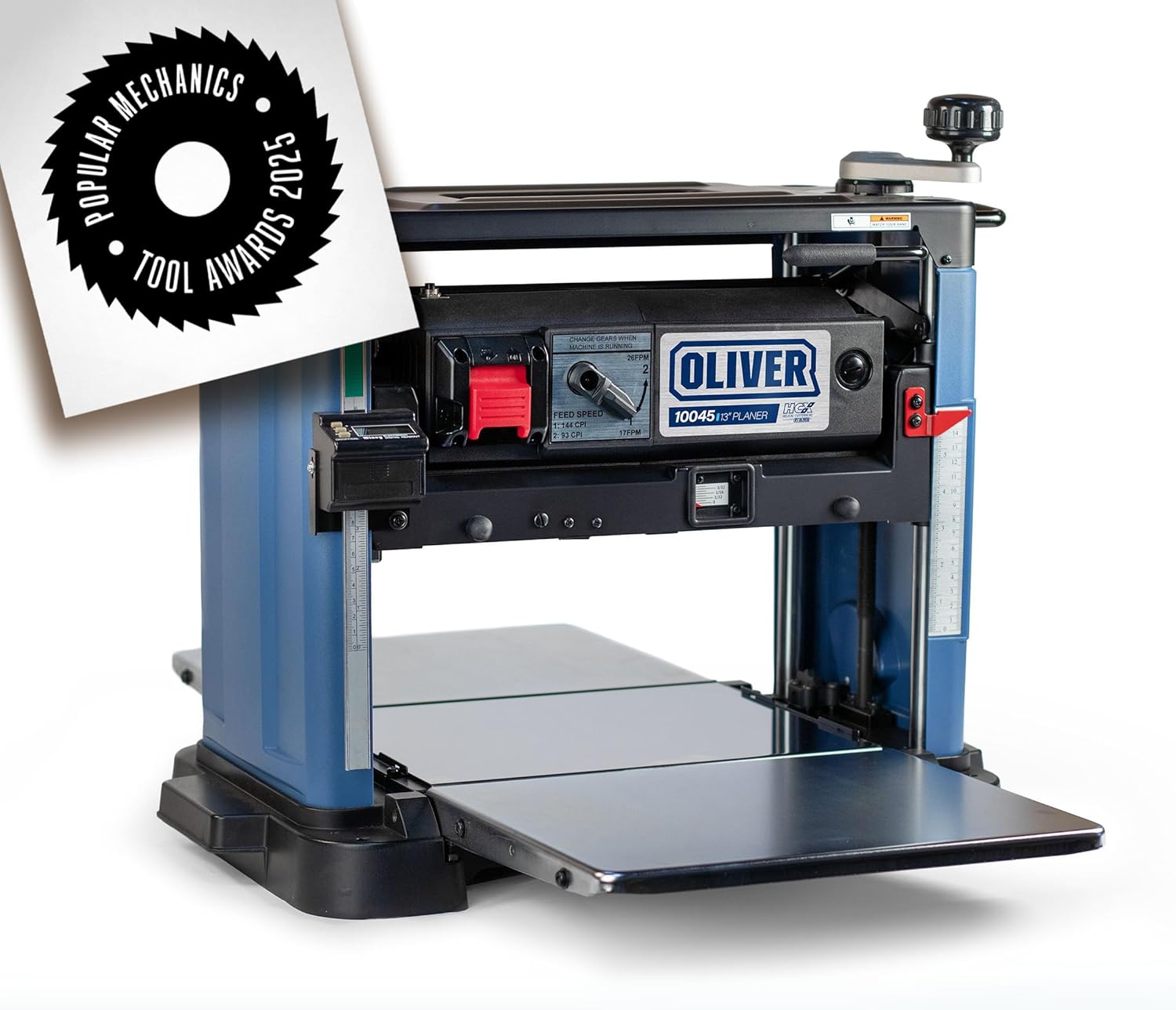
Oliver 16″ Thickness Planer:
- 16″ capacity
- Four-knife cutterhead (or helical options)
- Heavy cast iron construction
- 220V, 3-5 HP motor
- Industrial dust port
- Price: ~$3,000-$4,000
The Oliver gives you more capacity, more power, and better build quality. The DEWALT gives you amazing value, portability, and convenience.
Maintenance and Operating Costs
DEWALT Planer Maintenance
- Blade changes: Every 20-40 hours of use, around $30-$50 per set
- Belt replacement: Occasionally, about $20
- Easy to service: Most repairs are DIY-friendly
Oliver Planer Maintenance
- Blade changes: Less frequent due to larger knives, $100-$200 per set
- Professional service: May require technician for major repairs
- Longer maintenance intervals: Built to go longer between services
Over time, both machines have reasonable operating costs. The DEWALT needs more frequent small maintenance, while Oliver needs less frequent but potentially more expensive major services.
Helical Cutterheads: A Game Changer
Many modern planers offer helical (spiral) cutterhead options. These use small carbide inserts instead of long knives.
Benefits of helical cutterheads:
- Quieter operation
- Better finish on figured wood
- Carbide inserts last much longer
- When an insert dulls, just rotate it
- Less tear-out on difficult grain
DEWALT helical options: DEWALT doesn’t offer factory helical cutterheads, but aftermarket options exist from companies like Shelix. Budget $400-$500 for the upgrade.
Oliver helical options: Many Oliver planers come with helical cutterheads as standard or optional upgrades. The quality of these is typically superior to aftermarket options.
When comparing Oliver vs DEWALT planer cutterhead technology, Oliver has the advantage with factory-designed helical options.
Noise Levels
DEWALT Planers: Pretty loud – around 90-95 decibels. You absolutely need hearing protection. Neighbors might complain if you run it in the evening.
Oliver Planers: Also loud – 85-95 decibels depending on the model. The helical cutterhead versions are noticeably quieter.
Neither machine is quiet enough to run without hearing protection. This is one area where the Oliver vs DEWALT planer comparison is pretty even.
Resale Value
Here’s something most people don’t think about:
DEWALT Planers: Hold decent resale value (50-60% of new after a few years). There’s always demand for used DEWALT tools.
Oliver Planers: Excellent resale value (70-80% or more). Well-maintained Oliver machines sell quickly. Some vintage models even appreciate in value.
If you buy an Oliver planer and take care of it, you can recover most of your investment. That makes the initial price less scary.
What Real Users Say
DEWALT DW735X User Reviews:
Positive:
- “Best planer for the money”
- “Handles hardwoods surprisingly well”
- “Love the two-speed gearbox”
- “Portable enough to move around”
Negative:
- “Snipe can be annoying”
- “Dust collection could be better”
- “Blades dull faster than expected with hardwoods”
Oliver Planer User Reviews:
Positive:
- “Built like an absolute tank”
- “Glass-smooth finish every time”
- “Never bogs down, even in hard maple”
- “Had mine for 20 years, still perfect”
Negative:
- “Expensive initial investment”
- “Takes up a lot of shop space”
- “Needed electrician to install 220V”
My Honest Recommendation
After researching this Oliver vs DEWALT planer comparison thoroughly, here’s my take:
For 90% of woodworkers reading this: Buy the DEWALT DW735X.
Why? Because it’s an incredible machine for the price. It’ll handle almost everything you throw at it. You can plug it into a regular outlet. You can move it when needed. And you’ll save thousands of dollars.
Use that saved money to buy better wood, more clamps, or other tools you need.
For professional woodworkers: Seriously consider Oliver.
If woodworking is your business, the Oliver pays for itself in precision, capacity, and longevity. You’ll appreciate the extra width capacity and the ability to run it hard all day without issues.
Think of it this way: A hobbyist might run a planer 50 hours a year. A professional might run it 1,000+ hours a year. That changes the equation completely.
Final Thoughts on Oliver vs DEWALT Planer Comparison
I’ve tried to give you the complete picture here. These are both excellent brands making quality planers for different markets.
The beautiful thing about woodworking in 2025? We have amazing options at every price point. Whether you spend $600 or $6,000, you can get a planer that helps you create beautiful work.
Choose based on your actual needs, not what some internet stranger says is “best.” The best planer is the one that fits your shop, your budget, and your woodworking goals.
FAQs
Can a DEWALT planer handle hardwoods?
Yes, absolutely. The DW735X handles oak, maple, walnut, and other hardwoods just fine. Take lighter passes (around 1/16″ or less) and you’ll get good results.
Is Oliver worth the extra money?
If you’re a professional or serious amateur who needs maximum capacity and precision, yes. For weekend woodworkers, probably not.
Which planer has less snipe?
Oliver planers generally have less snipe due to their heavier, more rigid construction. But with proper technique, you can minimize snipe on any planer.
Can I upgrade a DEWALT with a helical cutterhead?
Yes, aftermarket helical cutterheads are available for DEWALT planers. Shelix is the most popular brand.
What about used planers?
Used DEWALT planers can be good deals at $300-400. Used Oliver planers are excellent investments if well-maintained – these machines last forever.