Introduction
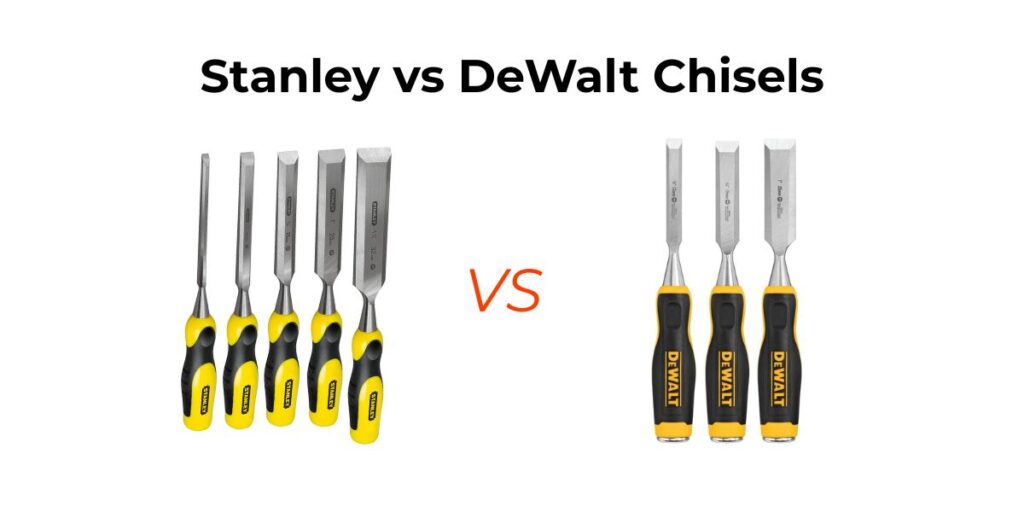
If you’re standing in the tool aisle trying to decide between Stanley vs DeWalt chisels, you’re not alone. I’ve been there myself, scratching my head and wondering which brand actually gives you more bang for your buck.
After years of woodworking and testing both brands extensively, I’m going to break down everything you need to know about Stanley vs DeWalt chisels. No fluff, just honest insights to help you make the right choice.
Table of Contents
Quick Answer: Which Brand Should You Choose?

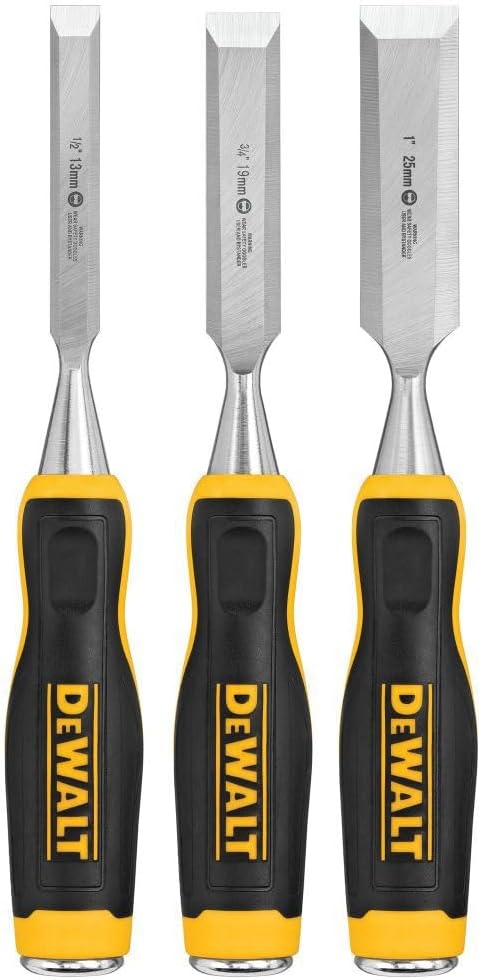
Choose DeWalt if: You’re a professional or serious hobbyist who needs chisels that can handle daily abuse. They’re tougher, hold an edge longer, and come with better warranty support.
Choose Stanley if: You’re a DIYer or occasional user who needs reliable chisels for weekend projects. They’re more affordable and perfectly capable for light to moderate use.
Now let’s dive into the details so you can decide with confidence.
Related Articles:
Stanley Vs DeWalt Chisels: What To Choose In 2026?
| Features | Stanley Chisels | DeWalt Chisels |
|---|---|---|
| Price Range | $15-$50 per set | $30-$100 per set |
| Steel Type | High-carbon steel | Chrome vanadium steel |
| Edge Retention | Good (needs frequent sharpening) | Excellent (30-40% longer) |
| Durability | Moderate (2-3 years professional use) | High (5-7+ years professional use) |
| Handle Material | Plastic, wood, rubber options | Bi-material with rubber grip |
| Strike Cap | Not on all models | Yes, on all models |
| Weight | Lighter | Heavier (more heft) |
| Comfort/Ergonomics | Average | Excellent |
| Out-of-Box Sharpness | Needs significant sharpening | Closer to ready-to-use |
| Overall Rating | 7.5/10 | 9/10 |
1. Build Quality and Materials
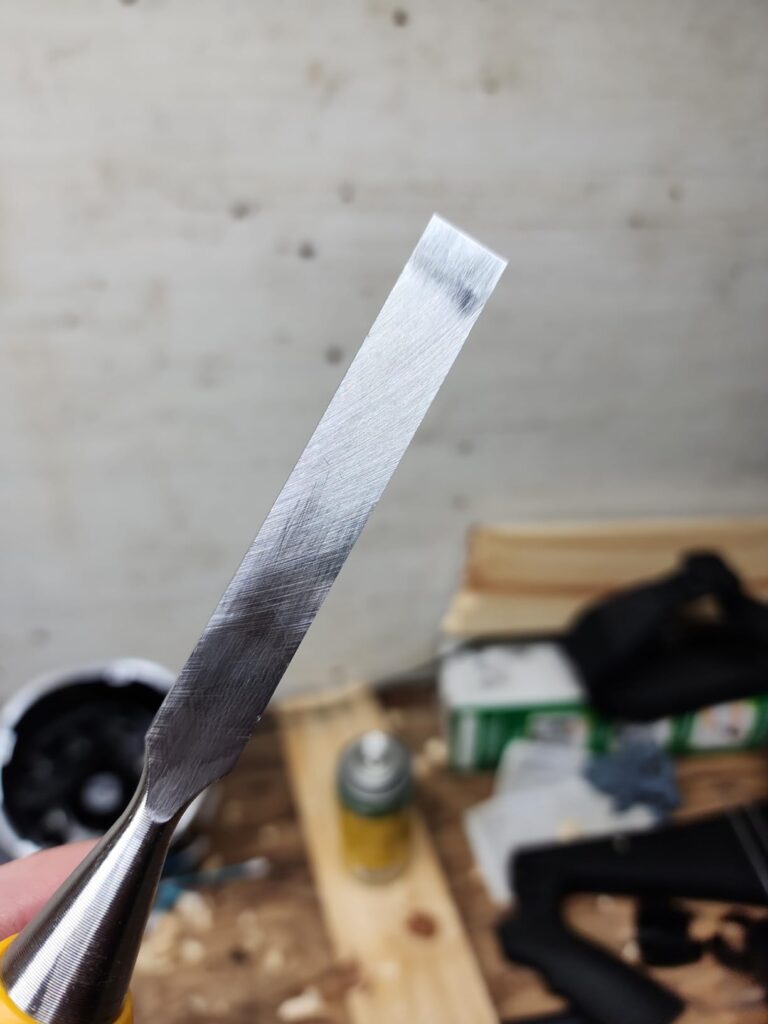
Stanley Chisels Construction
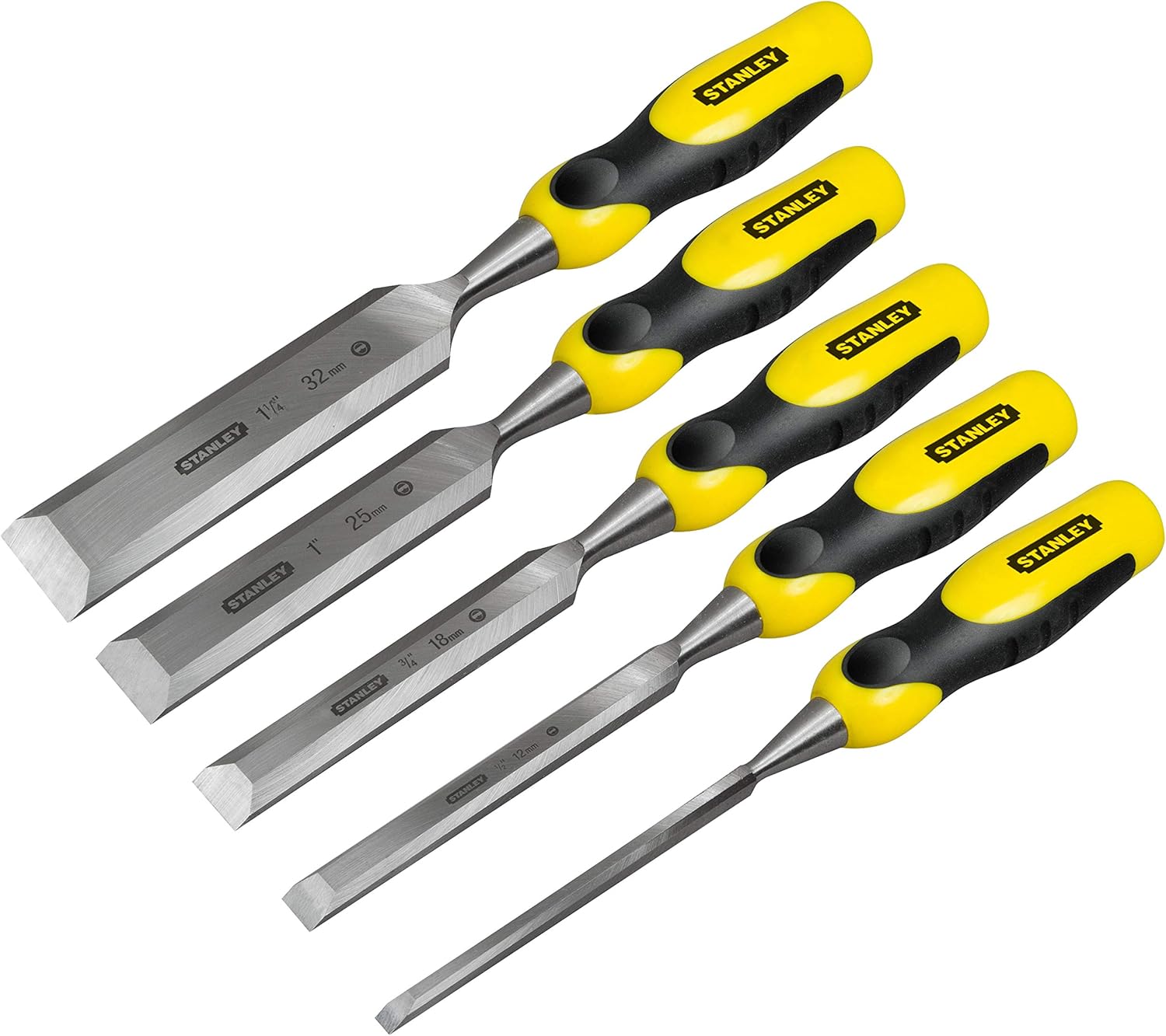
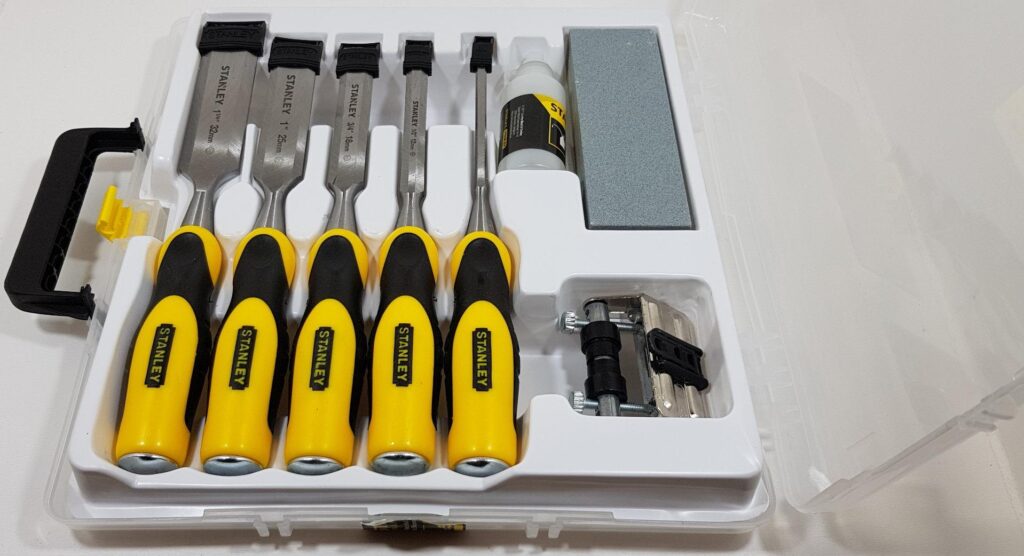
Stanley chisels typically use high-carbon steel for the blade. The handles vary depending on which set you buy – you’ll find plastic, wood, and rubber grip options.
The entry-level Stanley sets use molded plastic handles that feel okay in your hand but nothing special. Their mid-range options come with hardwood handles that look nice but can feel chunky.
What I’ve noticed with Stanley chisels is that they’re built for the average homeowner. They’re solid enough to get the job done without breaking the bank.
DeWalt Chisels Construction
When comparing Stanley vs DeWalt chisels in terms of build quality, DeWalt pulls ahead noticeably.
DeWalt uses chrome vanadium steel in most of their chisel sets. This material is harder and more durable than the high-carbon steel Stanley uses. It resists chipping better and holds an edge longer between sharpening sessions.
The handles on DeWalt chisels feature a striking cap on top. This means you can hammer directly on the handle without worrying about mushrooming or splitting. Stanley chisels don’t always have this feature, especially in their budget lines.
DeWalt’s ergonomic handles with rubber grips feel more comfortable during extended use. The grip texture helps prevent slipping, which matters when you’re doing precision work.
2. Edge Retention and Sharpness
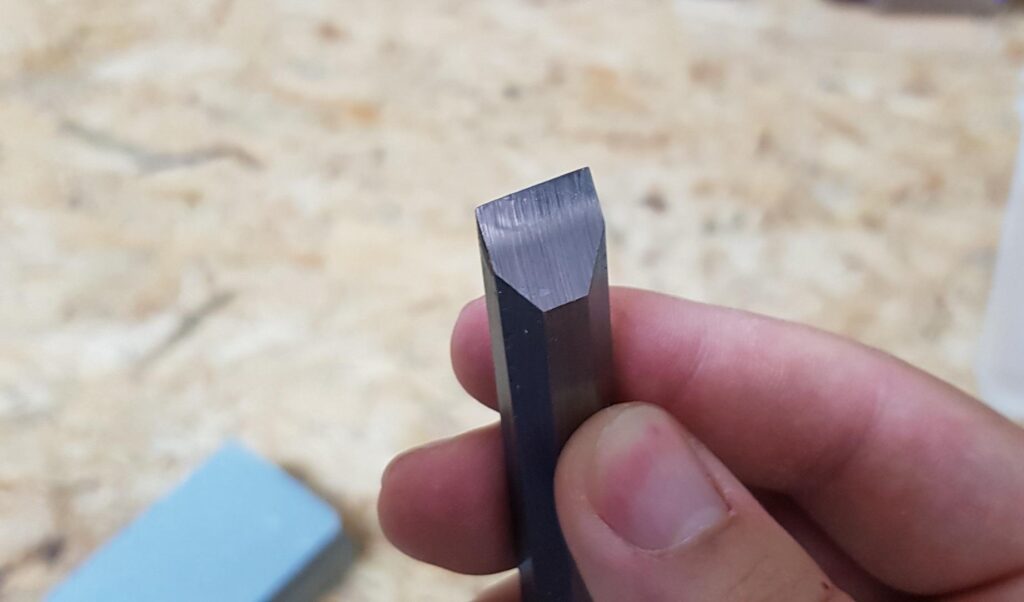
This is where the rubber meets the road with any chisel comparison.
How Long Do They Stay Sharp?
In my testing, DeWalt chisels stay sharp noticeably longer than Stanley chisels. When working with hardwoods like oak or maple, DeWalt chisels can handle about 30-40% more cutting before needing a touch-up.
Stanley chisels aren’t bad – they just need sharpening more frequently. For occasional users, this might not matter much. But if you’re chiseling mortises all day, that difference adds up fast.
Out-of-the-Box Sharpness
Neither Stanley nor DeWalt chisels come razor-sharp from the factory. Both require some initial sharpening before serious use.
However, DeWalt chisels tend to come closer to ready-to-use condition. Stanley chisels often need more aggressive sharpening right out of the package.
3. Price Comparison
Let’s talk money because that’s probably why you’re comparing Stanley vs DeWalt chisels in the first place.
Stanley Chisel Prices
A basic 3-piece Stanley chisel set typically runs between $15-$25. Their better quality sets with wood handles cost around $30-$50.
For individual chisels, you’re looking at $7-$15 per chisel depending on size and quality level.
DeWalt Chisel Prices
DeWalt chisels cost more upfront. A comparable 3-piece set usually runs $30-$45. Their premium sets can go up to $70-$100.
Individual DeWalt chisels typically cost $12-$20 each.
Which Offers Better Value?
Here’s my honest take: Stanley gives you better initial value if you’re on a tight budget. DeWalt offers better long-term value if you can afford the upfront cost.
Think of it this way – if you buy a $20 Stanley set and replace it twice in five years, you’ve spent $60. A $45 DeWalt set that lasts ten years costs less overall.
4. Performance in Real-World Use
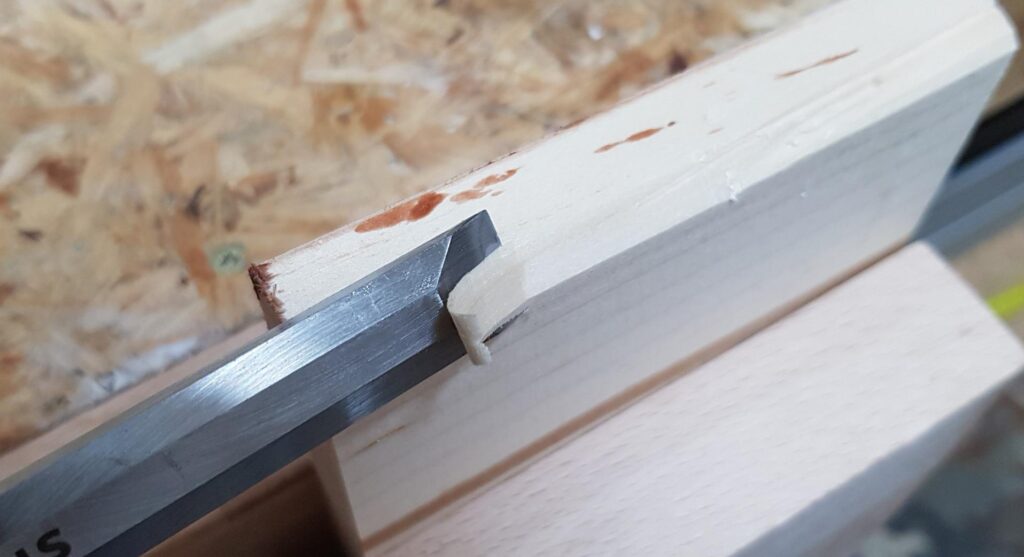
Paring Work
For fine paring work where you’re shaving thin slices of wood, both brands perform adequately when sharp.
DeWalt’s better edge retention means you can maintain that precise control longer. Stanley chisels work fine but require more frequent sharpening to keep that delicate touch.
Heavy-Duty Chopping
When you need to remove a lot of material quickly – like cleaning out mortises or chopping dovetails – DeWalt chisels shine.
The chrome vanadium steel handles impact better without edge damage. Stanley chisels can chip or roll if you’re really wailing on them with a mallet.
I’ve had Stanley chisel edges roll over when removing hardwood waste. Never experienced that with DeWalt.
Precision Joinery
Both Stanley and DeWalt chisels can handle precision joinery when properly sharpened.
The ergonomics of DeWalt handles give you slightly better control, but an experienced user can achieve the same results with either brand.
5. Durability and Longevity
How Long Do Stanley Chisels Last?
With proper care and regular sharpening, Stanley chisels can last many years for light to moderate use.
I’ve had a set of Stanley chisels for eight years that still work fine for occasional projects. But I baby them and don’t use them for heavy work.
For professional use, Stanley chisels might last 2-3 years before you start seeing significant quality degradation.
How Long Do DeWalt Chisels Last?
DeWalt chisels are built for the long haul. With normal professional use, expect 5-7 years minimum.
For hobbyist use, a set of DeWalt chisels could literally last a lifetime. The harder steel and better construction just hold up better over time.
6. Comfort and Ergonomics
When you’re spending hours working with chisels, comfort matters more than you might think.
Handle Design
DeWalt wins this category hands down. Their bi-material handles with rubber grips reduce hand fatigue significantly.
Stanley’s plastic handles feel cheaper and can get slippery when your hands sweat. Their wood handles look nice but don’t offer much grip texture.
Balance and Weight
Stanley chisels tend to be lighter, which some people prefer for delicate work.
DeWalt chisels have more heft, which helps when you need to remove material quickly. The extra weight can tire your hand during extended paring sessions though.
This comes down to personal preference and what type of work you do most often.
7. Available Sizes and Sets
Stanley Chisel Options
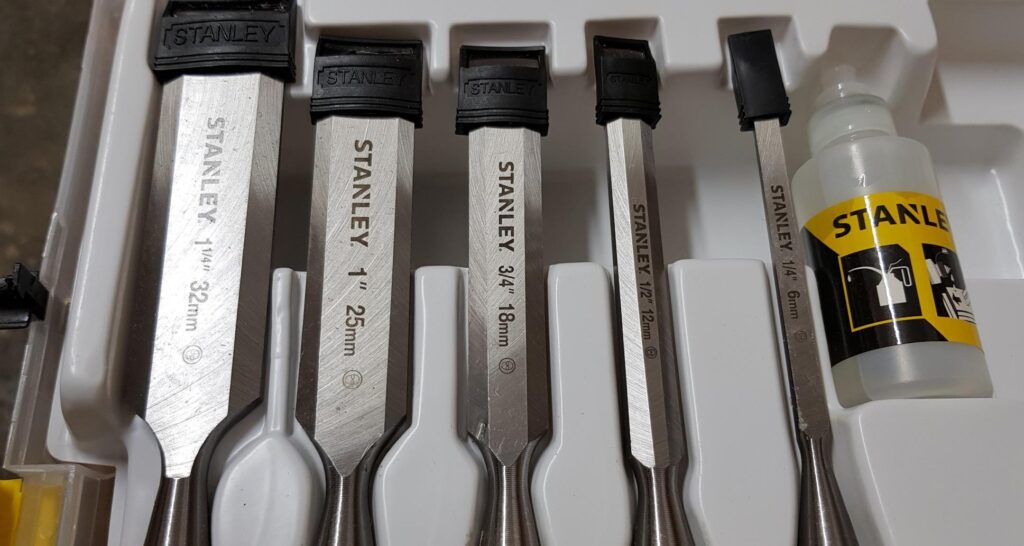
Stanley offers a wide range of individual sizes from 1/4″ up to 2″.
Common sets include:
- 3-piece sets (usually 1/2″, 3/4″, 1″)
- 4-piece sets
- 5-piece sets with more size variety
You can find Stanley chisels at most hardware stores, which makes replacing individual sizes convenient.
DeWalt Chisel Options
DeWalt also offers comprehensive size ranges.
Their sets typically include:
- 3-piece starter sets
- 4-piece professional sets
- 6-piece master sets with more specialized sizes
DeWalt chisels are widely available but not quite as ubiquitous as Stanley in smaller hardware stores.
8. Sharpening and Maintenance
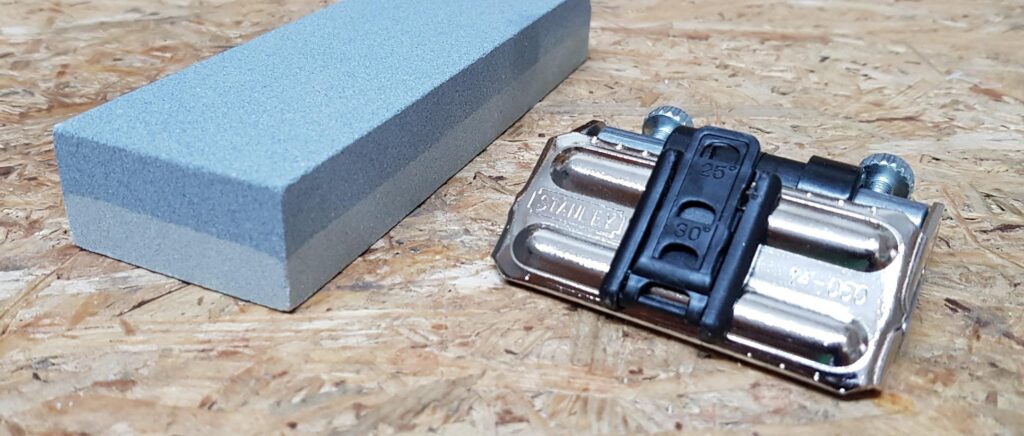
Both Stanley and DeWalt chisels require regular maintenance to perform well.
Ease of Sharpening
Stanley’s softer steel is actually easier to sharpen, which beginners might appreciate. You can restore the edge quickly with a few passes on a stone.
DeWalt’s harder steel takes longer to sharpen but holds that edge much longer, so you’re sharpening less frequently overall.
Maintenance Requirements
Both brands need similar basic maintenance:
- Keep them dry to prevent rust
- Store them properly to protect the edges
- Oil the blades occasionally
- Sharpen when needed
DeWalt chisels seem slightly more resistant to rust, probably due to their steel composition and better finish quality.
Warranty and Customer Support
Stanley Warranty
Stanley typically offers a limited lifetime warranty on their hand tools, including chisels. However, the warranty terms can be vague, and some users report difficulty getting replacements.
The reality is that Stanley’s warranty often doesn’t matter much because their chisels are so affordable that replacing them costs less than the hassle of warranty claims.
DeWalt Warranty
DeWalt provides a limited lifetime warranty on their hand tools. In my experience, DeWalt’s customer service is more responsive and replacement is easier.
Given the higher initial cost of DeWalt chisels, having reliable warranty support provides real peace of mind.
Common Problems and Issues
Stanley Chisel Problems
Issues I’ve encountered with Stanley chisels:
- Handles can crack or split with heavy use
- Edges roll over on hardwoods
- Plastic handles feel cheap and slippery
- Some sets come with poor grinds that require significant initial sharpening
- Blades can rust if not cared for properly
None of these are deal-breakers for occasional use, but they’re worth knowing about.
DeWalt Chisel Problems
DeWalt isn’t perfect either:
- Higher price creates higher expectations
- Heavier weight can cause hand fatigue
- The harder steel takes longer to sharpen
- Not always in stock at smaller retailers
- Some users find the handles too thick
These are minor complaints compared to the overall quality, but everyone’s needs differ.
Stanley Vs Dewalt Chisels: Making Final Decision
When Stanley Chisels Make Sense
Stanley chisels are perfect for:
- Occasional DIY projects
- Home renovation work
- Learning basic chisel techniques
- Budget-conscious buyers
- Homeowners building a starter tool collection
- Light woodworking hobbies
When DeWalt Chisels Make Sense
Go with DeWalt if you’re:
- A professional carpenter or woodworker
- Working with hardwoods regularly
- Doing timber framing or heavy construction
- Building furniture professionally
- Someone who wants buy-it-for-life tools
- Willing to invest more upfront for better performance
The Verdict: Stanley vs DeWalt Chisels
After comparing Stanley vs DeWalt chisels across every important category, here’s my final recommendation:
For most people doing occasional projects, Stanley chisels offer perfectly adequate performance at a great price. You’ll need to sharpen more often and eventually replace them, but the initial savings matter.
For anyone serious about woodworking or using chisels professionally, DeWalt is absolutely worth the extra money. The better edge retention, durability, and ergonomics pay for themselves over time.
FAQs
Q1. Are DeWalt chisels worth the extra money?
Yes, if you use chisels regularly. The better performance and longer lifespan justify the higher initial cost. For occasional users, Stanley might be the smarter choice.
Q2. Can you use Stanley chisels professionally?
You can, but they’ll wear out faster and require more frequent sharpening. Most professionals prefer investing in better quality tools like DeWalt for daily use.
Q3. Which brand holds an edge better?
DeWalt chisels hold an edge significantly longer than Stanley due to their harder chrome vanadium steel construction.
Q4. Are Stanley chisels good for beginners?
Absolutely. They’re affordable enough that beginners can learn without worrying about damaging expensive tools. The softer steel is also easier to sharpen while learning.
Q5. Do both brands offer lifetime warranties?
Both Stanley and DeWalt offer limited lifetime warranties on their chisels, but DeWalt’s customer service is generally more responsive.
Q6. Which chisels are better for hardwood?
DeWalt chisels perform better on hardwoods thanks to their harder steel that resists chipping and holds an edge longer under demanding conditions.
Q7. Can you hammer on the handles of both brands?
DeWalt chisels feature strike caps designed for hammering. Stanley chisels vary – some models can handle it, others will split or mushroom over time.
Q8. Where are Stanley and DeWalt chisels made?
Manufacturing locations vary by product line. Many Stanley chisels are made in China, as are most DeWalt chisels. Higher-end models from both brands may be made in other countries.