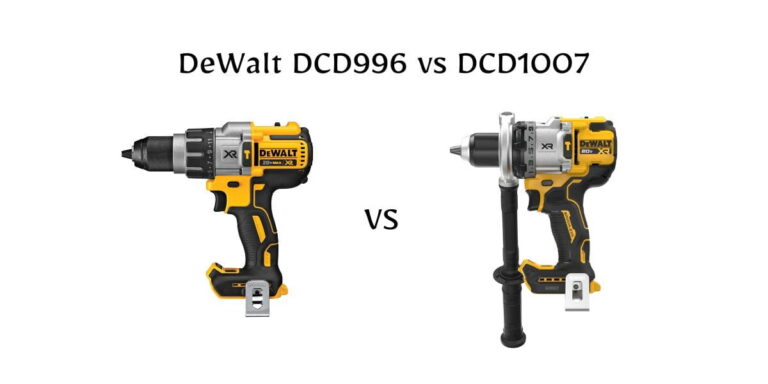
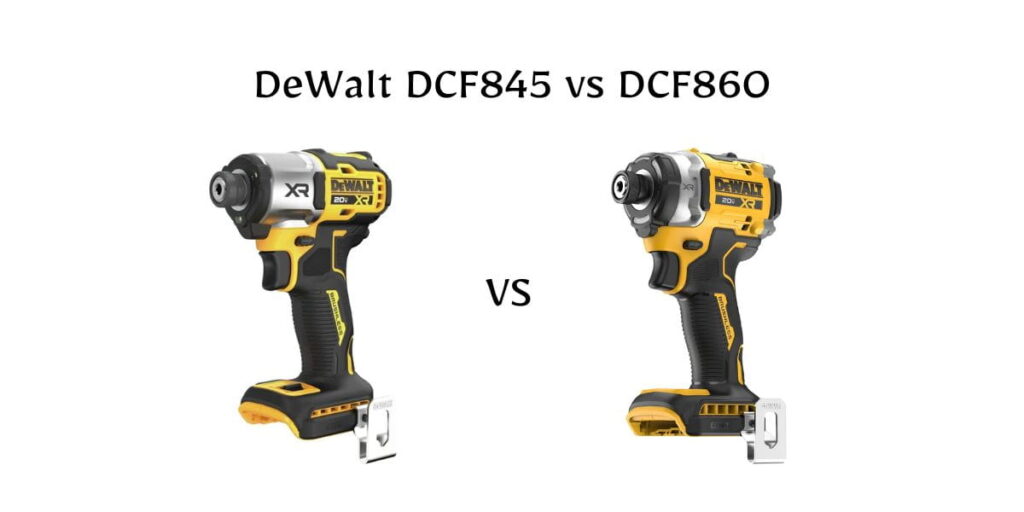
Current Price: $107
✅ Lightweight at 2.0 lbs — less fatigue all day long
✅ 1,825 in-lbs — handles decking, cabinets, lag screws
✅ Longer battery runtime vs DCF860
✅ Perfect for DIYers, finish carpenters, remodelers
❌ Not optimized for self-drilling screws
❌ Longer head (5.1 in) — tighter spaces can be tricky
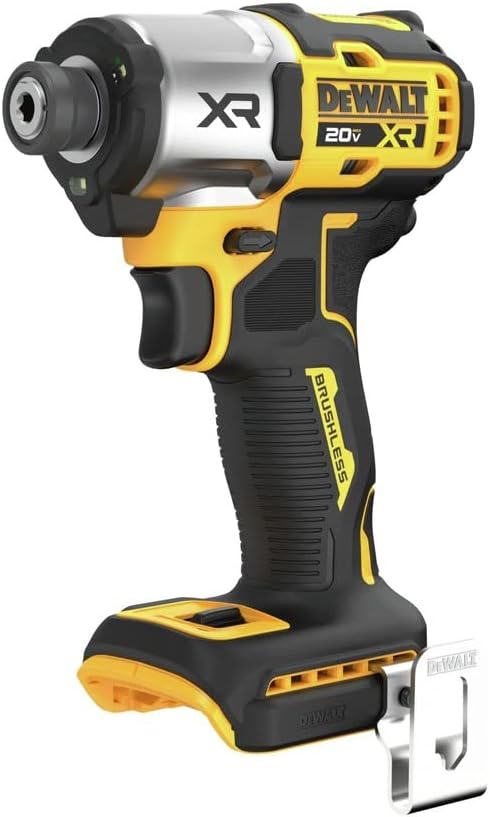

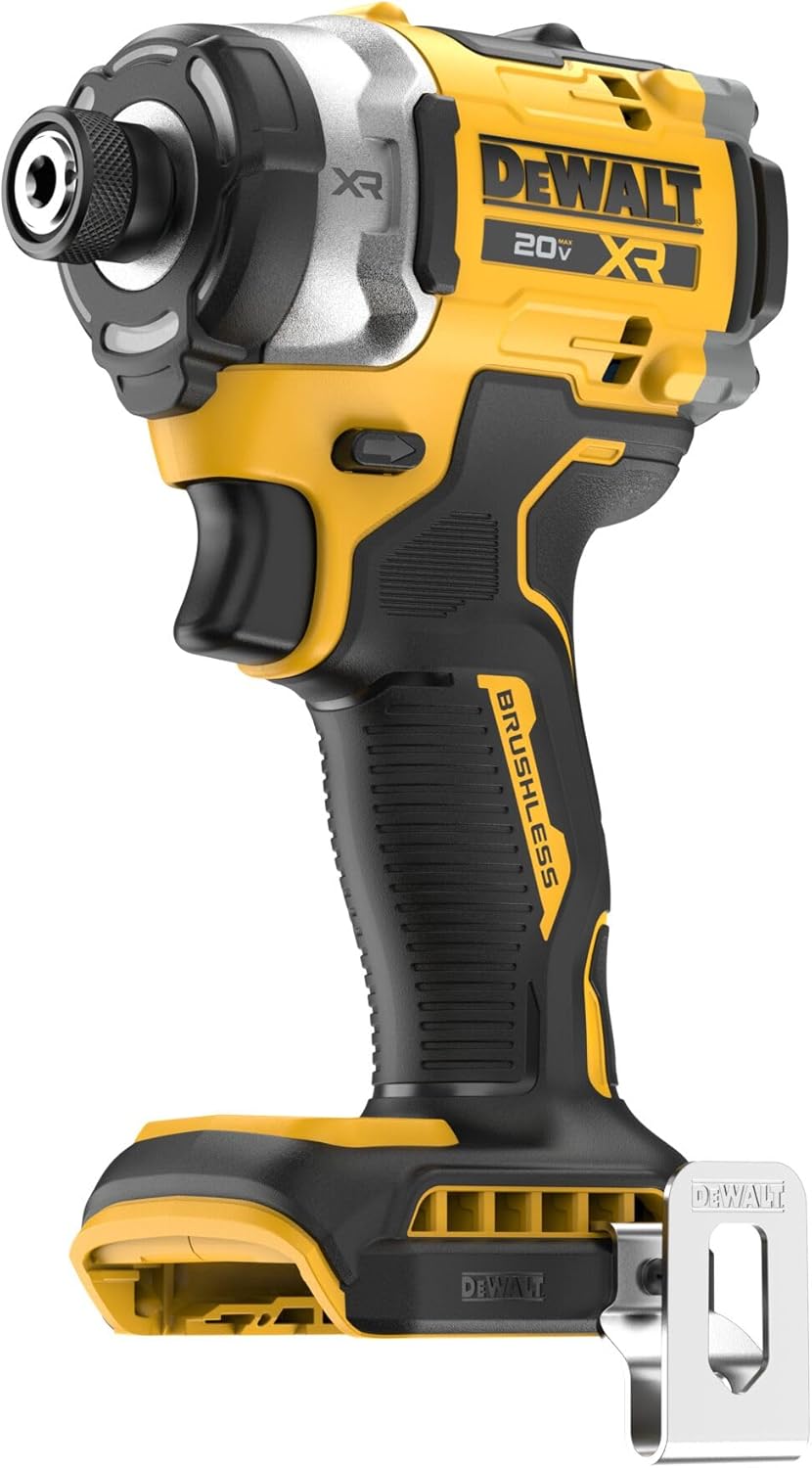
Current Price: $126
✅ 2,500 in-lbs — serious torque for demanding jobs
✅ Shorter 4.8 in head — fits where others don't
✅ Tek-screw optimized speed modes (HVAC, steel framing, roofing)
✅ 9-LED ring + 20-min work light mode
❌ Heavier at 2.7 lbs — fatigue risk on overhead work
❌ Slight overkill for casual DIY or finish work
Introduction
Most people searching this comparison already know both tools are good. What they don’t know is that the answer changed when the prices did.
When the DCF860 launched, it was a $199 bare tool. The DCF845 sat at $149. That $50 gap made the decision almost automatic — unless you needed serious torque for heavy fastening, the DCF845 was the easy call. More than half the articles on the internet were written during that pricing reality. Most of them are still giving you that same advice.
But here’s where things stand right now: DCF845 is $107 on Amazon. DCF860 is $126. The gap is $19.
Nineteen dollars. That’s a fast food lunch. And it separates a tool with 1,825 in-lbs of torque from one with 2,500 in-lbs, a longer head design from a shorter one, a 3-LED from a 9-LED ring with a 20-minute work light mode, and a tool optimized for general fastening from one specifically calibrated for self-drilling screws.
At $50 apart, the DCF845 won easily. At $19 apart, this is one of the closest calls in DeWalt’s XR lineup — and the right answer depends entirely on what you’re actually using it for, not which tool has the bigger number on the spec sheet.
Let’s solve this properly.
TL;DR
The DCF860 used to cost $50 more than the DCF845 — now it’s just $19. That changes everything. If you drive self-drilling screws, work in tight spaces, or do heavy-duty fastening, spend the extra $19 and get the DCF860. If your work is mostly wood, overhead, or general DIY, the DCF845 is still the smarter, lighter, more efficient buy.
Related Articles:
Table of Contents
AT-a-glance: DeWalt DCF845 vs DCF860
| Features | DCF845 | DCF860 |
|---|---|---|
| Price | $107 | $126 |
| Torque | 1,825 in-lbs | 2,500 in-lbs |
| Weight | 2.0 lbs | 2.7 lbs |
| Head Length | 5.1 in | 4.8 in |
| LED | 3-LED | 9-LED + flashlight mode |
| Self-Drilling Screw Optimized | ❌ | ✅ |
| Best For | General/overhead/DIY | Metal work/tight spaces/heavy duty |
| Buy If... | You want light, efficient, capable | You need max power + trade-specific features |
| Where To Buy | Check On Amazon | Check On Amazon |
The Real Problem: You’re Not Choosing Between Power Levels. You’re Choosing Between Two Different Tools Built for Different Jobs.
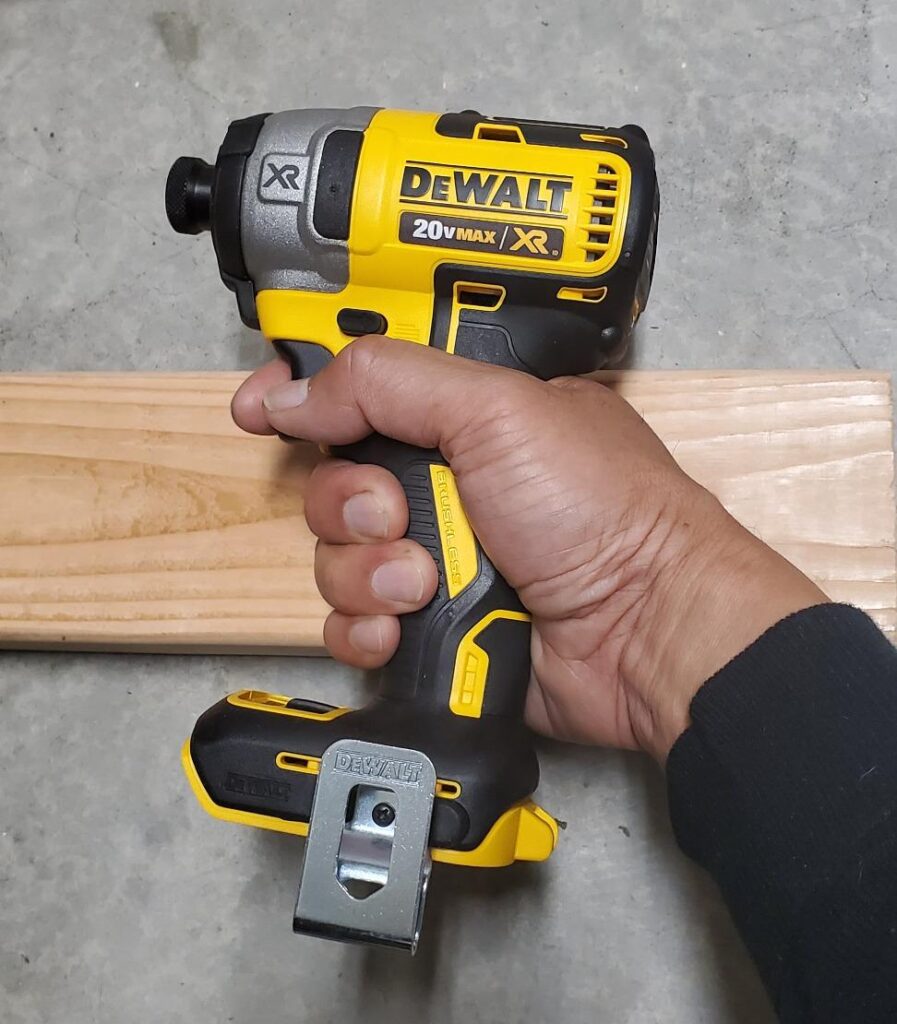
This is what most comparison articles miss entirely. The DeWalt DCF845 vs DCF860 aren’t the same tool at different power settings. They’re genuinely different instruments, designed with different users in mind.
The DCF845 is DeWalt’s refined general-purpose impact driver. 1,825 in-lbs of torque, 3,400 RPM, 4,200 IPM. It’s fast, compact, and at 2.0 lbs, it’s one of the more comfortable drivers you’ll use all day. It handles the 95% of fastening work that most people — DIYers, finish carpenters, general contractors, remodelers — actually do. Cabinet installation, decking, trim work, structural bolts with a decent run-up, furniture assembly. It does all of it without complaint.
The DCF860 is DeWalt’s current XR flagship impact driver. 2,500 in-lbs of torque, 3,800 RPM, 4,500 IPM. It’s physically shorter in the head (4.8 inches vs the DCF845’s 5.1 inches), which sounds minor but matters significantly in tight spaces — electrical boxes, cabinet interiors, between studs. It weighs 2.7 lbs. And its three speed modes aren’t just power settings; speeds 2 and 3 are specifically optimized for self-drilling (Tek) screws, which changes the game for metal work, HVAC, light-gauge steel framing, and roofing.
That’s not a footnote. That’s the most underreported thing about this tool.
If you’ve ever tried driving self-drilling screws with a standard impact driver and watched the bit came out, or the screw spin without biting cleanly, you’ll understand exactly why this matters.
The Weight Problem Nobody Wants to Talk About
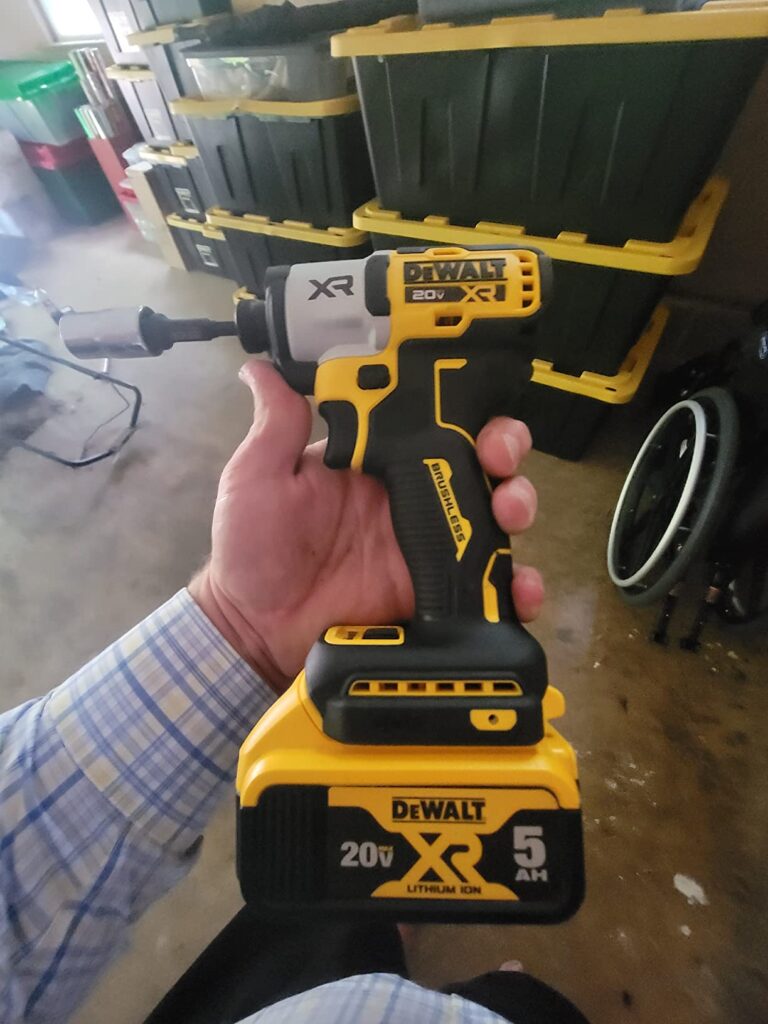
Here is an honest, uncomfortable truth about the DCF860 that its fans don’t usually bring up:
It is 35% heavier than the DCF845.
2.7 lbs vs 2.0 lbs. On paper, 0.7 lbs sounds trivial. In practice, at hour six of driving fasteners overhead — hanging cabinets, running electrical, installing ceiling fans, framing above your head — that extra weight is felt in your forearm, your shoulder, and your wrist in ways that matter to your body at the end of the day.
This is not a theoretical concern. It’s a documented issue in any tool community where contractors talk honestly about their gear. The people who reach for the DCF860 every day are usually doing it at waist height or below. The people who complain about their impact driver giving them fatigue issues are often using heavier tools in overhead applications.
If your work involves extended overhead fastening — electricians, cabinet installers, HVAC professionals, carpenters working on ceiling structures — the DCF845’s weight advantage is not a small thing. It’s a legitimate reason to choose the lighter tool even if you could afford the upgrade.
The DCF860 doesn’t just add torque. It adds weight. Those two things are inseparable, and the second one gets almost no attention in comparison articles.
The Self-Drilling Screw Problem (And Why It Makes the DCF860 Worth Considering for Specific Trades)
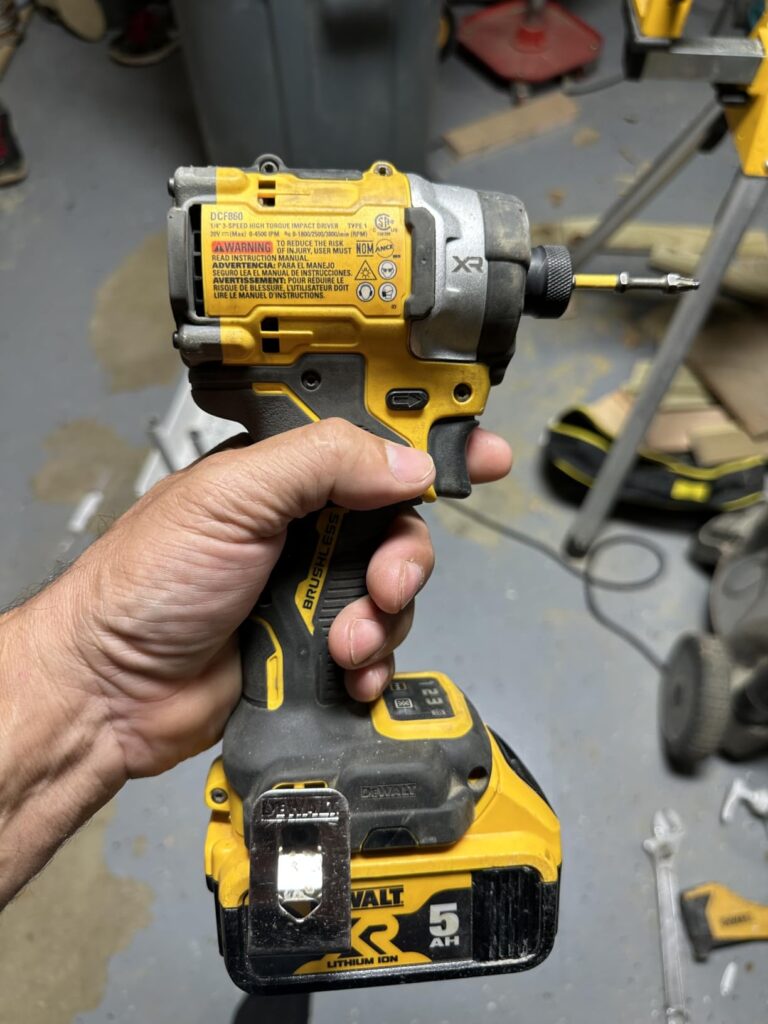
This is the section that doesn’t exist in any other DeWalt DCF845 vs DCF860 article, and it arguably should be the first thing metal workers read.
Self-drilling screws — called Tek screws, drill-point screws, or self-tappers depending on who you ask — behave differently under an impact driver than wood screws do. They need controlled torque to drill their own pilot hole before the thread engages. Drive them too fast or with too much impact energy and you’ll strip the head, cam out, or crack thin-gauge material before the screw seats properly.
DeWalt specifically calibrated the DCF860’s speed modes 2 and 3 around this behavior. It’s not just a lower power setting — the tool’s impact mechanism timing and energy delivery is tuned for self-drilling applications. This is why you’ll find the DCF860 in the hands of HVAC installers, metal building contractors, light-gauge steel framers, and roofers who deal with Tek screws routinely.
If you drive wood screws into lumber and decking for a living, this feature is irrelevant to you. If you drive self-drilling screws into steel or sheet metal regularly, it’s one of the most relevant things about this tool — and it costs you $19 more than the alternative.
The Battery Life Reality Check
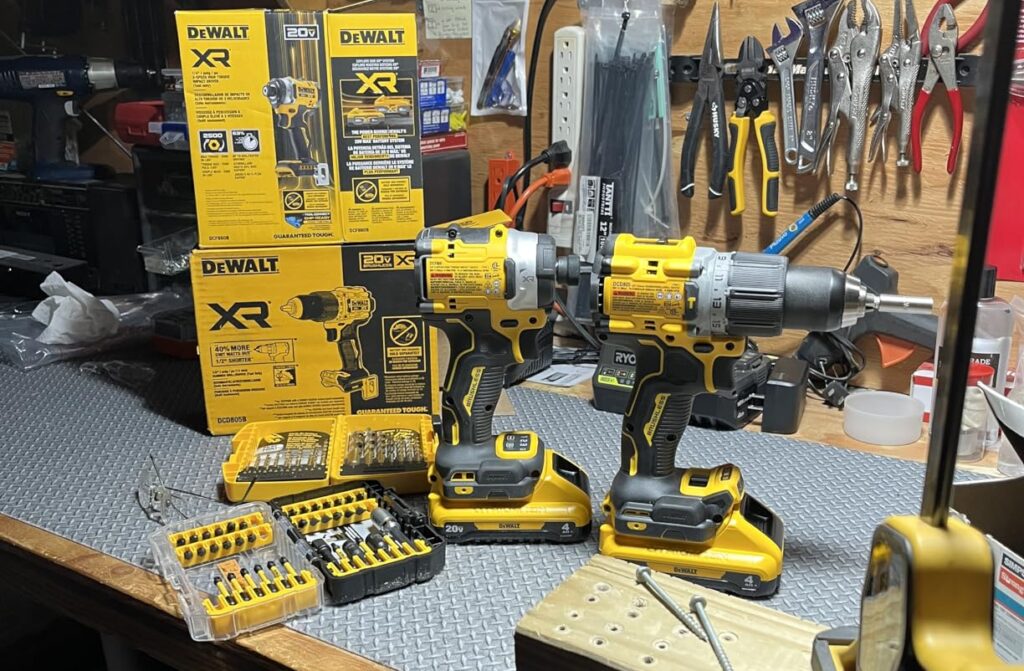
Both tools run on DeWalt’s 20V Max XR battery platform, so compatibility isn’t the issue. The issue is consumption.
The DCF860’s higher torque output and faster motor draw more current from the battery under load. In direct terms: the same battery lasts longer in the DCF845 than the DCF860 when you’re driving the same fasteners. This gap is most noticeable on longer drives — structural lag screws, deck boards, anything that asks the motor to work near its limits for extended durations.
In light-duty applications — short screws, soft materials, occasional use — the difference is minimal and unlikely to change your battery rotation meaningfully. But for contractors doing all-day heavy fastening on a single charge, it’s a real consideration.
If you’re already running a robust battery inventory, this matters less. If you’re working off one or two batteries and need maximum runtime, the DCF845’s efficiency advantage is worth factoring in.
So Who Should Actually Buy the DCF860 Right Now?
Current Price: $126
✅ 2,500 in-lbs — serious torque for demanding jobs
✅ Shorter 4.8 in head — fits where others don't
✅ Tek-screw optimized speed modes (HVAC, steel framing, roofing)
✅ 9-LED ring + 20-min work light mode
❌ Heavier at 2.7 lbs — fatigue risk on overhead work
❌ Slight overkill for casual DIY or finish work
Given everything — and especially given the $19 price gap — here’s the honest answer.
The DCF860 makes clear sense if any of these apply to you:
You work with self-drilling screws regularly. HVAC, metal studs, light-gauge steel, corrugated roofing — the Tek-screw optimization alone justifies the upgrade over the DCF845 for these applications.
You work frequently in tight spaces. The 4.8-inch head is shorter than the DCF845’s 5.1-inch head and will reach places the longer tool won’t. Electricians, plumbers, and finish carpenters working in confined areas feel this difference constantly.
You’re doing regular heavy-duty fastening — lag screws, structural connections, dense hardwood. The 675 additional in-lbs of torque (a 37% increase over the DCF845) isn’t overkill for applications that actually demand it.
You use your impact driver as a light source in dark or confined work areas. The 9-LED ring and 20-minute work light mode are legitimately useful, not just a marketing feature.
You’re already in the DCF860’s price range and your work is varied enough that the additional capabilities will see real use.
And Who Should Still Buy the DCF845?
Current Price: $107
✅ Lightweight at 2.0 lbs — less fatigue all day long
✅ 1,825 in-lbs — handles decking, cabinets, lag screws
✅ Longer battery runtime vs DCF860
✅ Perfect for DIYers, finish carpenters, remodelers
❌ Not optimized for self-drilling screws
❌ Longer head (5.1 in) — tighter spaces can be tricky
At $107, the DCF845 remains one of the strongest value propositions in the cordless impact driver market — and for a significant portion of users, it is still the smarter buy.
The DCF845 is the right call if:
You do overhead fastening work regularly. Lighter is better when your arm is above your shoulder for hours. The 0.7 lb difference becomes significant over a full workday, and no amount of extra torque compensates for genuine physical fatigue.
Your fastening work is predominantly wood, decking, cabinets, and trim. The DCF845’s 1,825 in-lbs handles all of this with torque to spare. There’s no application in typical woodworking or finish carpentry that demands 2,500 in-lbs. In fact, in delicate finish work, the DCF860’s extra power is a liability — it’s easier to over-drive a fastener or split trim with more torque than your application needs.
Battery runtime matters to you. Less torque draw means longer runtime per charge. If you’re managing a lean battery inventory, the DCF845 is the more efficient tool.
You want a capable, no-compromise daily driver without paying for capabilities your work doesn’t demand. There’s nothing wrong with that calculus. The DCF845 isn’t a budget compromise — it’s a professional tool that happens to be priced accessibly.
The Verdict: What the $19 Actually Buys You
Here’s the cleanest way to think about this decision.
The DCF845 is an excellent impact driver for the vast majority of fastening applications. It always was, and that hasn’t changed. What has changed is the cost of stepping up to the DCF860 — and at $19, that step is much smaller than most comparison articles (written when the gap was $50+) will tell you.
If you can genuinely use the DCF860’s specific advantages — self-drilling screw optimization, shorter head, higher torque, the 9-LED ring — the upgrade now costs less than a tank of gas. It’s not even a question.
If those advantages don’t map to your actual work, the DCF845 is still the better choice. Not because it’s cheaper, but because more tool than you need is still the wrong tool — and the DCF845 is exactly the right tool for general fastening, delivered at a price that respects your budget.
The only version of this decision that would be clearly wrong: paying $126 for the DCF860’s extra capabilities and never using them because your work is all wood screws and cabinet hinges. Or conversely, paying $107 for the DCF845 when you’re driving 200 Tek screws into steel studs every day and wishing you had the tool designed for the job.
Know your work. Buy accordingly. At $19 apart, both answers are defensible — which is exactly why this is a harder call than any other article on the subject will admit.
FAQs
Q: Which is better for a beginner or DIYer?
DCF845. It’s lighter, easier to control, and more than powerful enough for home projects.
Q: Is the DCF860 worth the extra $19?
Only if you’ll actually use what it offers — self-drilling screws, tight spaces, or heavy fastening. Otherwise, no.
Q: Which drains batteries faster?
DCF860. More torque = more current draw. DCF845 gives you longer runtime per charge.
Q: Can either drive lag screws?
Both can. DCF860 does it with less effort. DCF845 handles it fine with a good run-up.
Q: Which is better for overhead work?
DCF845 — it’s 0.7 lbs lighter, and that difference is very real after a few hours above your head.
Q: Do they use the same batteries?
Yes. Both run on DeWalt’s 20V Max XR platform. Fully interchangeable.