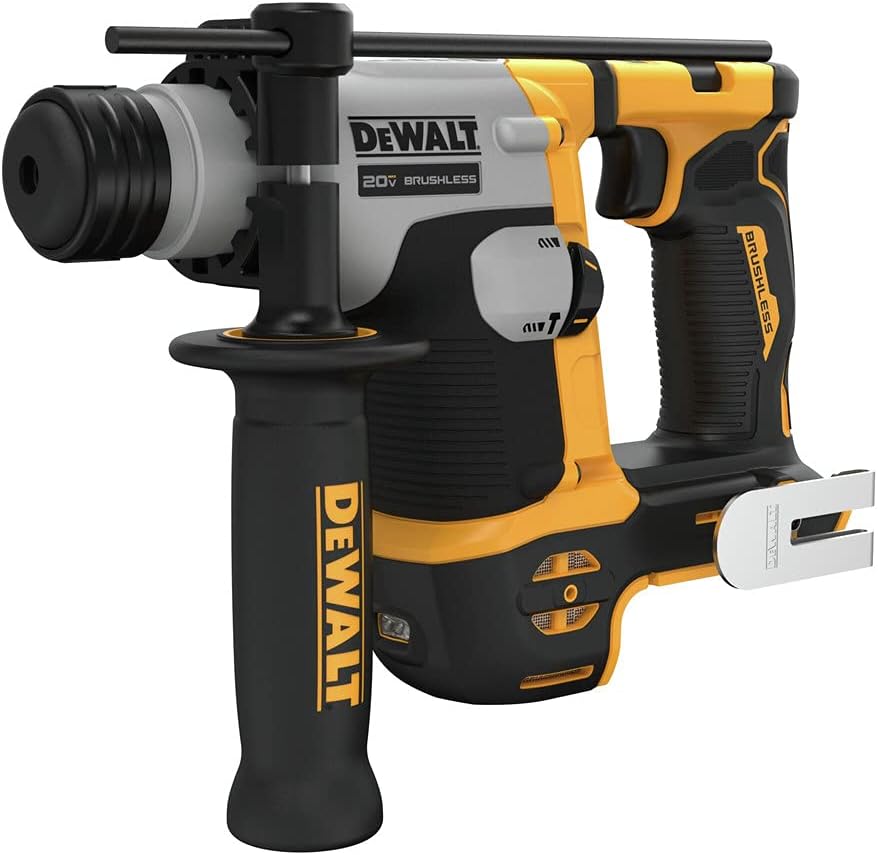
Price: $139 on Amazon
Perfect for occasional concrete drilling, TV mounts, shelf installations, and light anchor work. Compact and lightweight at 4.4 lbs. Handles holes up to 1/2" diameter. Missing chisel mode limits demolition capability, but at this price, it's excellent value for homeowners who drill concrete a few times a year.

Price: $328 on Amazon
The complete package for serious concrete work. 2.1 joules of impact energy, full chisel mode for tile removal and demo work, handles holes up to 1" diameter. Lower vibration (6.6 m/s²) means less hand fatigue during extended use. Costs more but eliminates the need for separate demolition tools.
Introducion
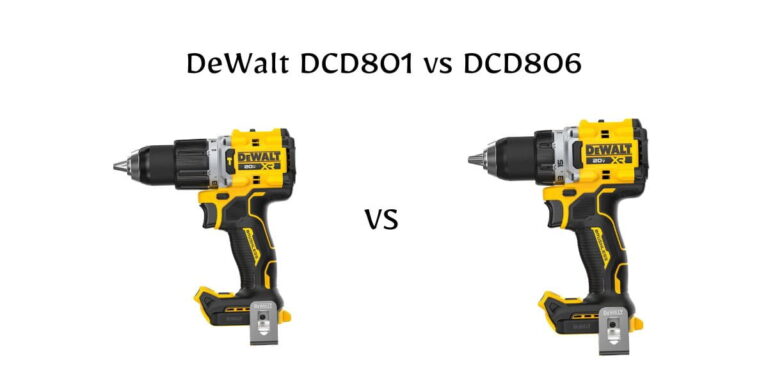
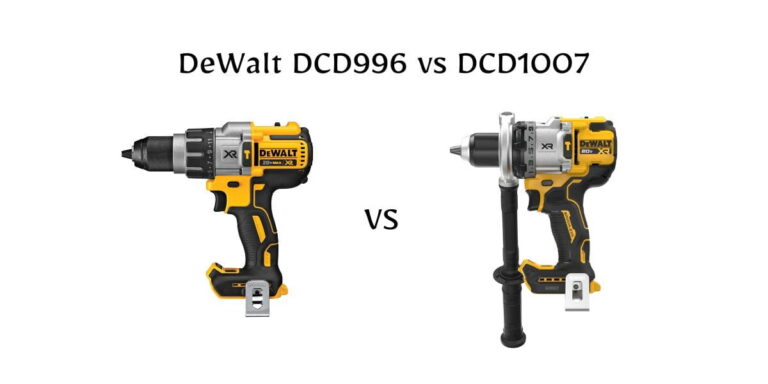
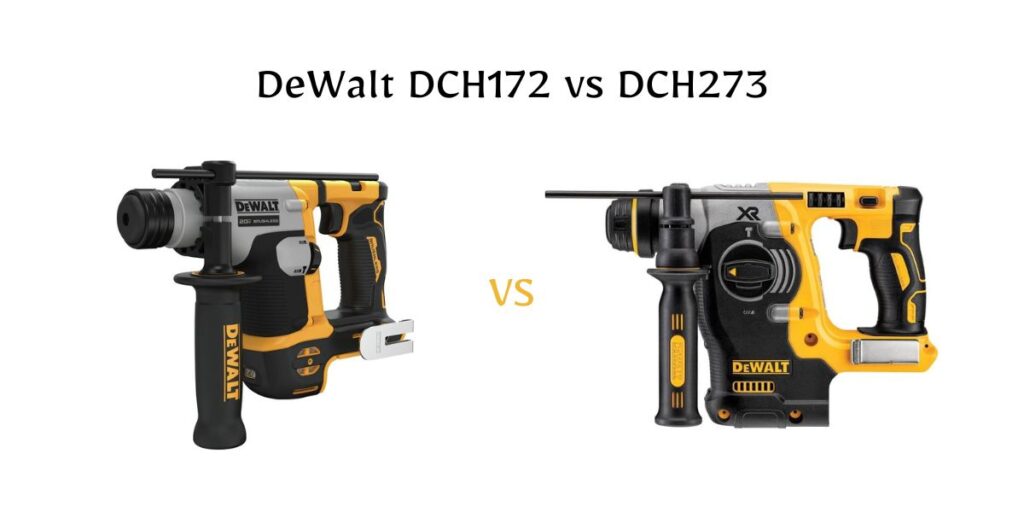
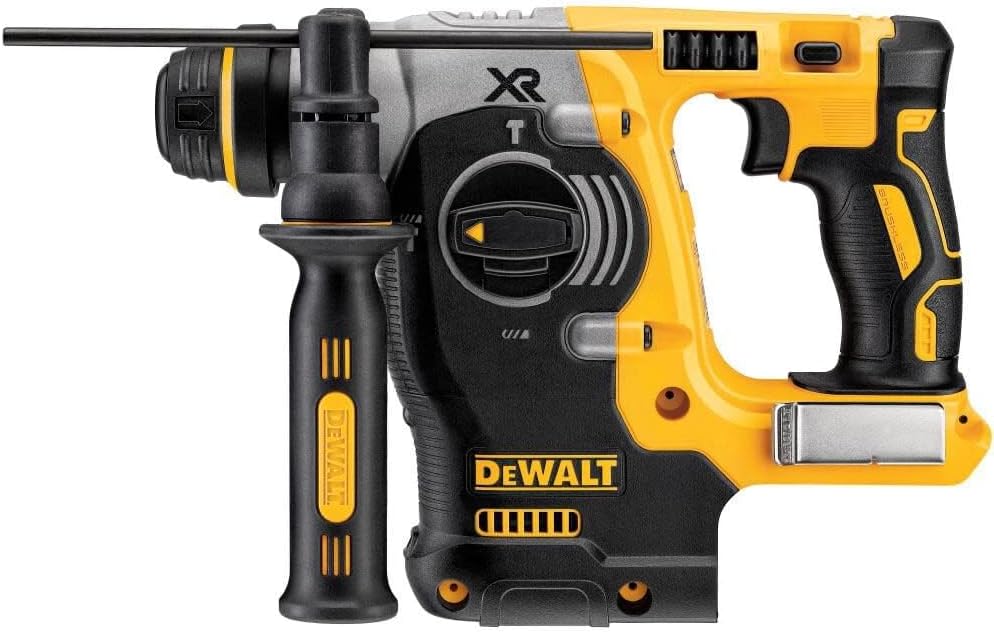
You’re looking at two DeWalt rotary hammers. The DCH172 costs $139 on Amazon. The DCH273? $328.
That’s a $189 difference for what looks like the same yellow drill with an SDS chuck. Your brain is screaming “just buy the cheaper one!” But here’s what nobody’s telling you about that decision.
Table of Contents
TL;DR
The DCH172 costs $139 and handles basic concrete drilling (up to 1/2″ holes) but lacks chisel mode. The DCH273 costs $328, delivers 50% more power, includes chisel capability for tile/demo work, and handles holes up to 1″. Choose DCH172 for occasional light drilling; choose DCH273 if you’ll ever need demolition capability or larger holes.
Related Articles:
At-a-glance: DeWalt DCH172 vs DCH273
| Features | DCH172 (Atomic) | DCH273 (XR) |
|---|---|---|
| Price | $139 | $328 |
| Impact Energy | 1.4 joules | 2.1 joules |
| Weight | 4.4 lbs | 6.8 lbs |
| Modes | 2 (Drill, Hammer) | 3 (Drill, Hammer, Chisel) |
| Max Hole Size | 1/2" | 1" |
| Vibration | 8.8 m/s² | 6.6 m/s² |
| Best For | Light homeowner tasks | Professional/heavy-duty work |
| Where To Buy | Check On Amazon | Check On Amazon |
The Feature DeWalt Buried in the Fine Print
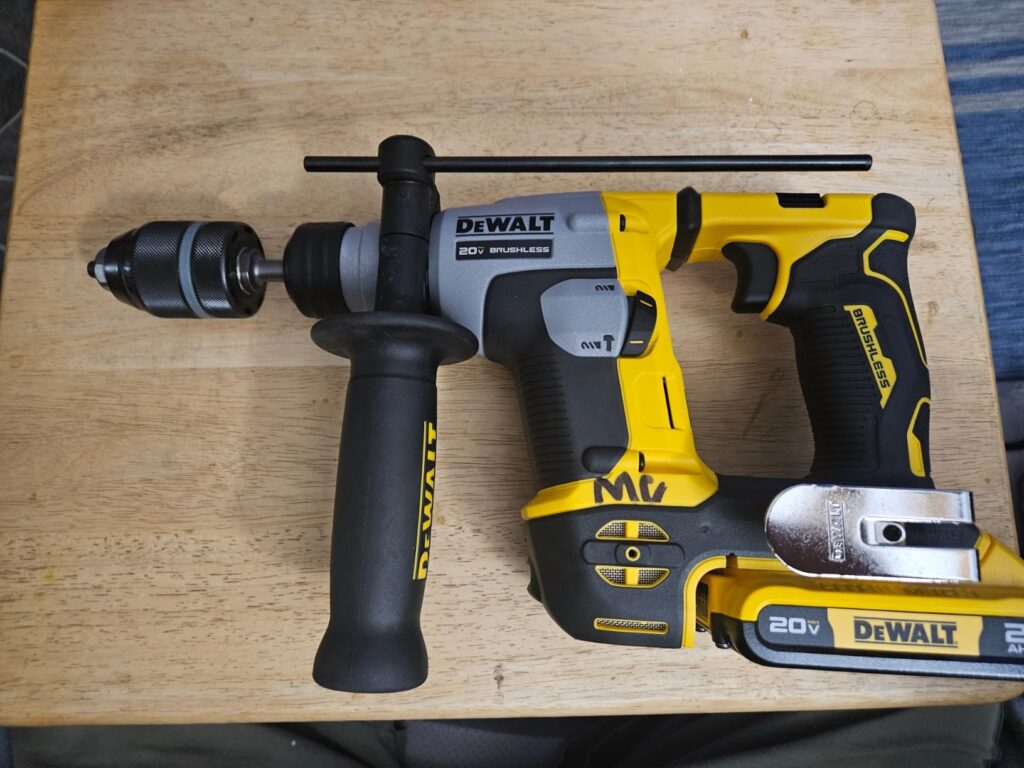
The DCH172 has two modes. Drill mode and hammer drill mode. That’s it.
The DCH273 has three modes. Drill, hammer drill, and chisel.
“So what?” you’re thinking. “I just need to drill holes for concrete anchors.”
Here’s what happened to a person who bought the DCH172:
I bought it on sale… it’s an alright SDS hammer drill for drilling holes. That’s all it does. My chipping hammer is still a DeWalt corded tool.
The chisel mode isn’t some fancy bonus feature. It’s the difference between owning one tool and owning two.
When $139 Actually Costs You More?
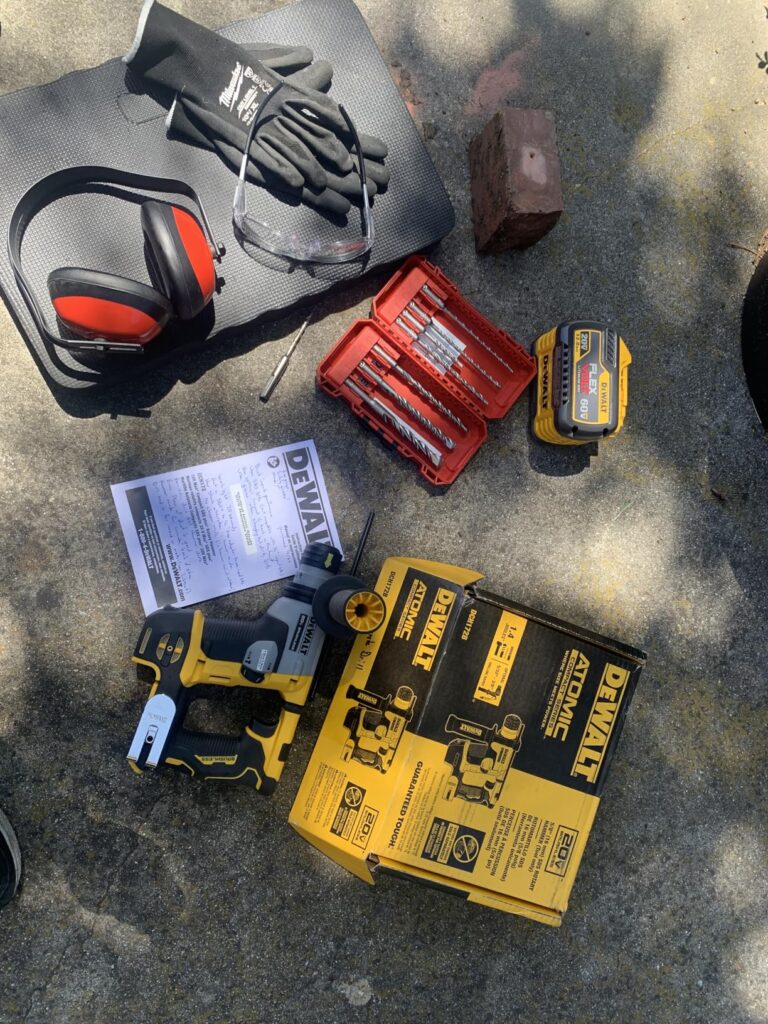
Let’s talk about what these rotary hammers actually do to concrete.
The DCH172 delivers 1.4 joules per hit. The DCH273? 2.1 joules. That’s 50% more impact energy.
In real terms: The DCH172 is rated for holes between 5/32″ and 1/2″ diameter. The DCH273 handles 3/16″ to 1″ diameter.
Notice that 1/2″ ceiling? That’s not arbitrary.
Installing a TV mount? You’re drilling 3/8″ holes for Tapcon anchors. DCH172 does this fine. Takes maybe 8-10 seconds per hole in concrete block.
Installing deck ledger boards? You need 1/2″ holes minimum, often 5/8″. The DCH172 is at its absolute limit at 1/2″. It’ll do it, but you’ll feel it struggling. One reviewer said “too underpowered for most practical work” and “probably only good for light Tapcon screws.”
Running electrical conduit through a foundation wall? You need 3/4″ to 1″ holes. The DCH172 won’t even attempt this. The DCH273 does it without complaining.
Here’s the thing about power tools: they can technically do things they’re not rated for, but you pay for it in time, frustration, and tool life.
The Weight Problem Nobody Talks About
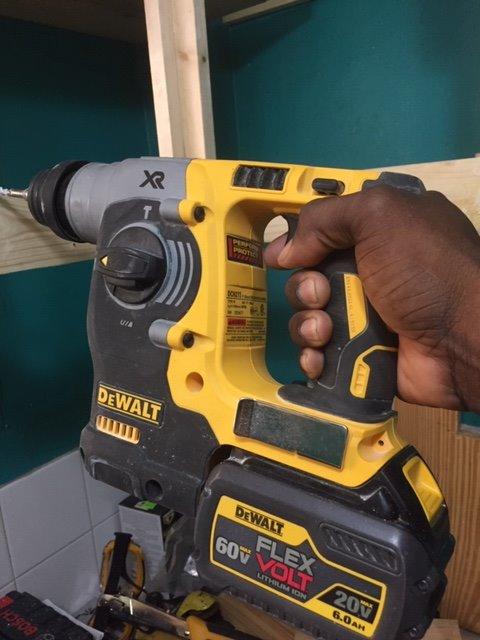
The DCH172 weighs 4.4 pounds (without battery). The DCH273 weighs 6.8 pounds.
That’s a 2.4-pound difference. Doesn’t sound like much until you’re holding either one over your head.
I found a forum discussion where someone said: “The DCH273 is pretty heavy with the large FlexVolt battery, so perhaps a smaller battery would be a better choice for small projects.” With a 5.0Ah battery attached, the DCH273 pushes close to 9 pounds total.
Meanwhile, the DCH172 with the same battery comes in around 6.5 pounds.
Here’s the trade-off: Less weight means less fatigue during overhead work. But less weight also means less mass to absorb the hammering action, which brings us to vibration.
Your Hands in Five Years
The DCH172 produces 8.8 m/s² of vibration. The DCH273 produces 6.6 m/s².
That’s 33% more vibration in the cheaper tool.
OSHA starts requiring employers to implement controls when vibration exceeds 5 m/s² for extended periods. Both tools are above this threshold, but the DCH172 is significantly higher.
Why does this matter to you?
Hand-arm vibration syndrome (HAVS) is a real condition. Symptoms include numbness, tingling, and reduced grip strength. It develops over years of exposure.
If you’re drilling 10 holes twice a year, this doesn’t matter. If you’re a contractor drilling 50+ holes a week, the DCH273’s lower vibration becomes a long-term health investment.
Professional tool reviewers measured the DCH172 at 8.8 m/s² when drilling into concrete block. That’s not marketing fluff—that’s real measured data.
The DCH273’s extra weight and better-dampened mechanism keeps vibration at 6.6 m/s². Your hands will notice this after 30 minutes of continuous use.
The Battery Math That Changes Everything
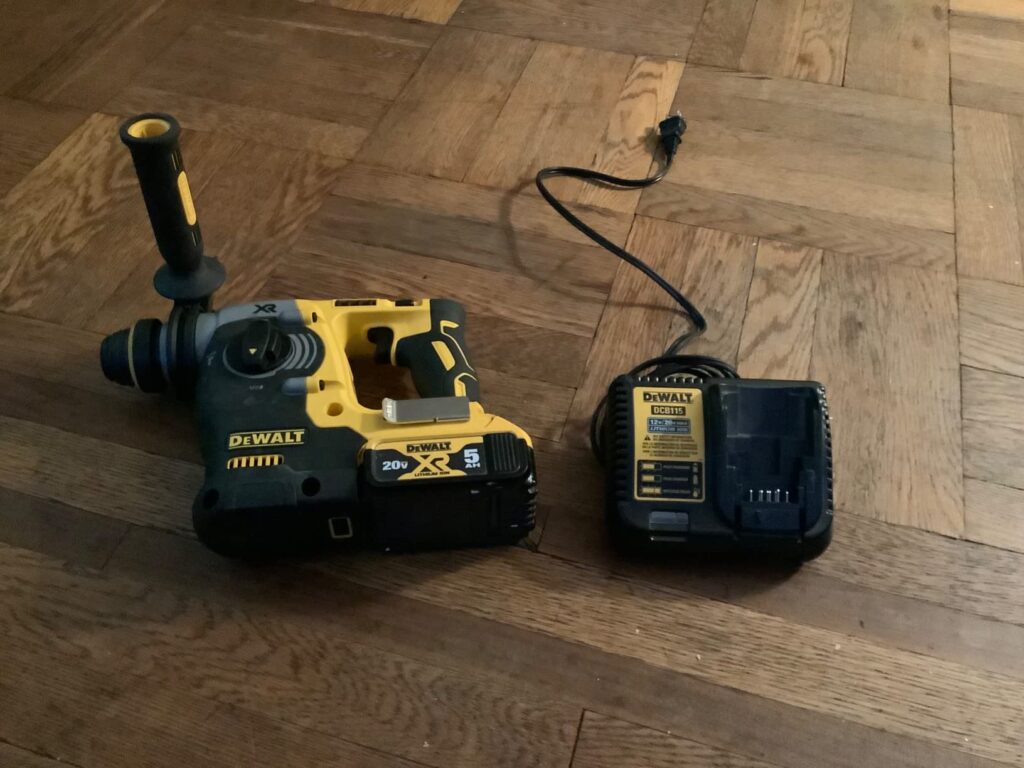
Here’s what DeWalt doesn’t advertise clearly: runtime depends heavily on what you’re drilling and with what bit size.
The DCH273 claims “90+ holes per 5.0Ah battery” drilling 10mm x 80mm holes (roughly 3/8″ diameter, 3″ deep). That’s their official spec.
The DCH172? No official runtime claims.
Here’s what actually happens:
Small holes (1/4″ to 3/8″) in concrete block:
- DCH172: 70-80 holes per 5.0Ah battery
- DCH273: 90-100 holes per 5.0Ah battery
Medium holes (1/2″) in solid concrete:
- DCH172: 30-35 holes per battery
- DCH273: 50-60 holes per battery
Large holes (3/4″+) in solid concrete:
- DCH172: Shouldn’t even attempt this
- DCH273: 25-30 holes per battery
The brushless motor in the DCH273 is simply more efficient. Less energy wasted as heat means more energy goes into breaking concrete.
If you’re installing one TV mount with four holes, battery life doesn’t matter. If you’re installing an entire deck railing system with 80+ holes, the DCH172 means carrying four batteries while the DCH273 needs two.
The Depth Rod Annoyance Both Share
The most frustrating thing about both models is the depth rod adjustment is terrible.
To adjust how deep your holes go, you need to loosen the side handle. But loosening the handle also releases the depth rod. So you’re juggling the handle, the rod, and trying to set the depth all at once.
Professional tool reviewers called it “a bit of a pain compared to rods that have a separate lock.”
This affects the DCH172 and DCH273 equally. Neither is better. Both have this annoying design.
Why mention this? Because it’s the kind of real-world frustration that spec sheets never tell you. When you’re on a ladder trying to set a consistent hole depth, this design will make you curse.
What “Atomic” vs “XR” Actually Means?
DeWalt markets the DCH172 as part of their “Atomic” line. The DCH273 is “XR.”
This isn’t just branding. It’s a fundamental philosophy difference:
Atomic = Compact and Lightweight The entire Atomic line is designed around “most power in the smallest package.” Tools are lighter, more maneuverable, but give up some raw performance. Perfect for tight spaces, overhead work, and tasks where portability matters more than maximum power.
XR = Maximum Performance The XR line is “professional grade, no compromises.” Bigger, heavier, more powerful. These are the tools that professional contractors beat on daily.
Neither philosophy is wrong. They’re just different priorities.
The problem is when people treat the DCH172 vs DCH273 decision as “budget vs premium.” It’s not. It’s “compact vs powerful.”
The Real Question You Should Be Asking
Forget specs for a second. Ask yourself three questions:
1. Will I ever need to chip/break concrete, tile, or masonry?
If yes, you need chisel mode. Period. The DCH172 doesn’t have it. Buying the DCH172 and later buying a separate demolition hammer costs more than just buying the DCH273 now.
If no, and you’re absolutely certain you’ll never remove tile, break up concrete edges, or chip away brick, then the DCH172 works.
2. What’s the largest hole diameter I’ll drill in the next 3 years?
Be honest. Not “what do I need today” but what projects might come up.
If you might ever need holes bigger than 1/2″, the DCH172 is the wrong tool. It’ll technically do 1/2″ but it struggles. Anything bigger is impossible.
If all your holes will be 1/2″ or smaller (mostly Tapcons, small anchors, light electrical work), the DCH172 handles this fine.
3. How much overhead drilling will I do?
Drilling horizontally into a wall? Weight matters less. Drilling up into a ceiling? Every ounce matters.
The DCH172’s 4.4 pounds vs the DCH273’s 6.8 pounds becomes significant during overhead work. Your shoulders and arms will fatigue faster with the heavier tool.
But remember: the lighter tool has more vibration. So you’re trading arm fatigue for hand fatigue.
What You Should Actually Do?
Stop thinking about this as “which tool is better.” Start thinking about it as “which tool matches my actual needs.”
Choose the DCH172 if:
Price: $139 on Amazon
Perfect for occasional concrete drilling, TV mounts, shelf installations, and light anchor work. Compact and lightweight at 4.4 lbs. Handles holes up to 1/2" diameter. Missing chisel mode limits demolition capability, but at this price, it's excellent value for homeowners who drill concrete a few times a year.
- You drill concrete maybe 3-4 times a year
- All your holes are 1/2″ or smaller
- You definitely won’t need chisel/demolition capability
- You value lightweight tools for overhead work
- You’re trying to stay under $150
Choose the DCH273 if:
Price: $328 on Amazon
The complete package for serious concrete work. 2.1 joules of impact energy, full chisel mode for tile removal and demo work, handles holes up to 1" diameter. Lower vibration (6.6 m/s²) means less hand fatigue during extended use. Costs more but eliminates the need for separate demolition tools.
- You might ever need to break/chip concrete or remove tile
- You’ll drill holes larger than 1/2″
- You drill concrete regularly (weekly or more)
- You value tool longevity and lower vibration
- You’re okay spending $328 for professional capability
The Bottom Line
The DeWalt DCH172 isn’t a worse tool than the DCH273. It’s a different tool for different needs.
The DCH172 is brilliant at light-duty concrete drilling. It’s compact, lightweight, affordable, and powerful enough for homeowner projects. At $139, it’s genuinely excellent value.
The DCH273 is a professional-grade rotary hammer that handles everything from anchor holes to tile demolition. It costs 136% more than the DCH172, but it delivers 50% more power, chisel capability, lower vibration, and better battery life.
The question isn’t “which is better.” The question is “which matches what I’ll actually use it for.”
And now you know exactly how to answer that question.
FAQs
Does the DeWalt DCH172 have a chisel mode? No. The DCH172 only has drill and hammer drill modes. It cannot chisel or break concrete. The DCH273 has all three modes including chisel.
What’s the main difference between DCH172 and DCH273? The DCH273 has 50% more power (2.1J vs 1.4J), chisel mode, handles larger holes (up to 1″ vs 1/2″), weighs more (6.8 lbs vs 4.4 lbs), and costs $189 more.
Is the DCH273 worth the extra $189? Yes, if you’ll ever need to remove tile, chip concrete, or drill holes larger than 1/2″. No, if you only need occasional small anchor holes and already own a separate demolition tool.
Which DeWalt rotary hammer is better for overhead work? The DCH172 is lighter (4.4 lbs vs 6.8 lbs) making it better for extended overhead drilling, but it has higher vibration (8.8 m/s²) which causes more hand fatigue.
Can the DCH172 drill 3/4 inch holes in concrete? No. The DCH172 maxes out at 1/2″ holes and struggles even at that size. For anything 5/8″ or larger, you need the DCH273.
Which batteries work best with these rotary hammers? For DCH172: 2.0-4.0Ah batteries keep it lightweight. For DCH273: 4.0-5.0Ah batteries provide best runtime without excessive weight. Avoid FlexVolt batteries for overhead work.