Current Price: $97
Why this one: Variable speed (8,000-12,000 OPM) gives you control for finish work and delicate materials. At only $3 more than the single-speed model, there's no reason not to have the option. Includes carrying case, dust bag, and 3-year warranty.
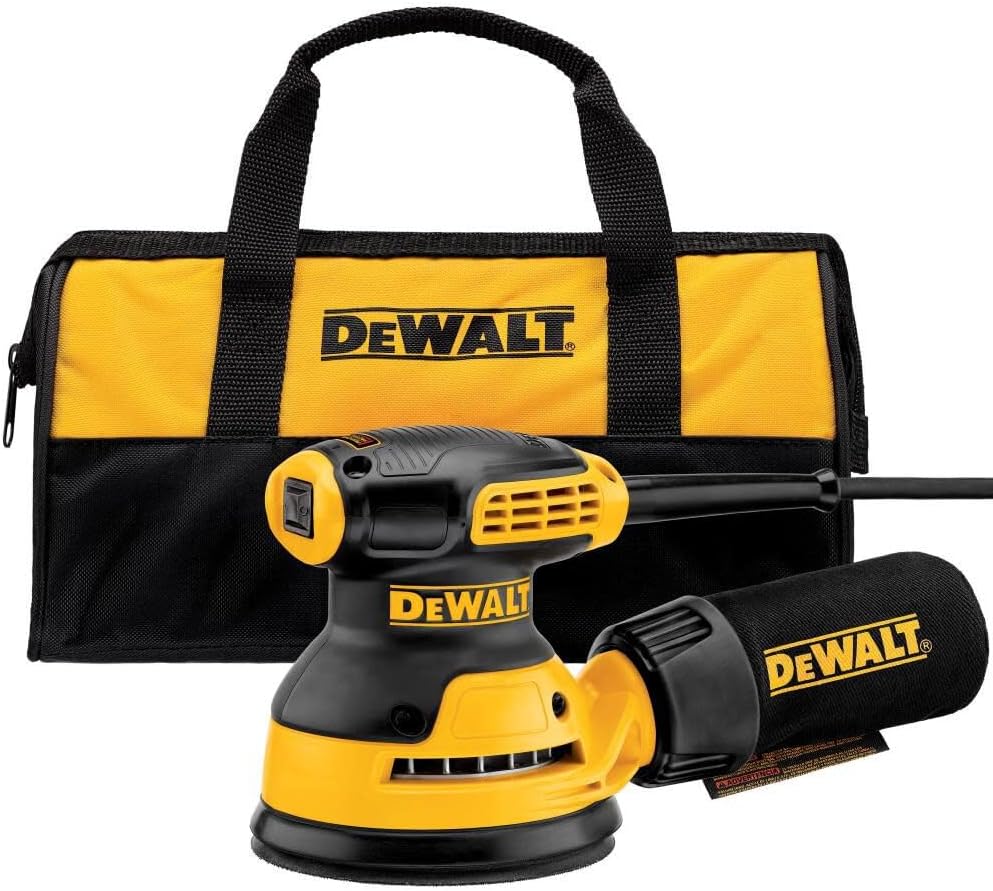

Current Price: $94
Why this one: Same quality as the variable speed model but locked at 12,000 OPM. Choose this if you exclusively do rough work or genuinely prefer no-frills simplicity. Saves $3, but you lose speed flexibility forever.
Introduction
Here’s something nobody’s telling you about these two sanders.
Right now, on Amazon, the DWE6421K costs $94. The DWE6423K with variable speed? $97.
Three dollars.
Not $20. Not $30. Three actual dollars separating a single-speed random orbital sander from one with variable speed control.
And that changes everything about which one you should buy.
Table of Contents
TL;DR:
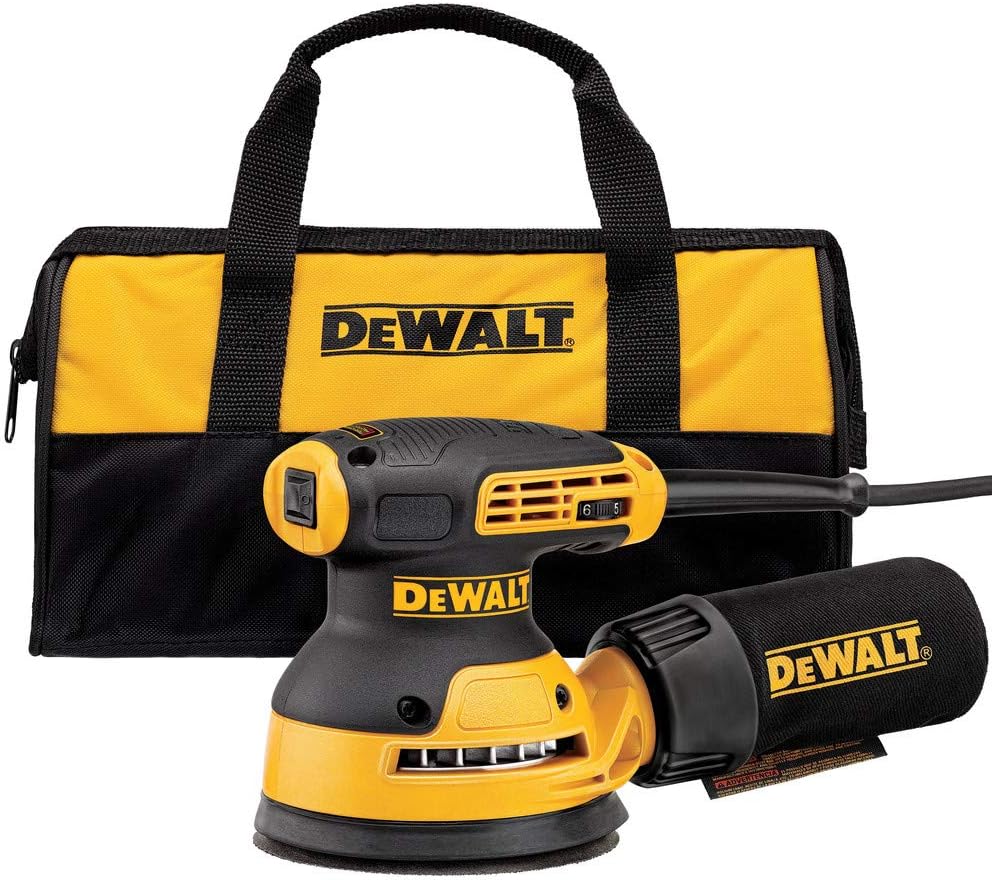
The DWE6421K and DWE6423K are identical sanders except one has variable speed. At just $3 apart ($94 vs $97), get the DWE6423K with variable speed—even if you rarely use it, the cost is too low to justify limiting yourself.
Related Articles:
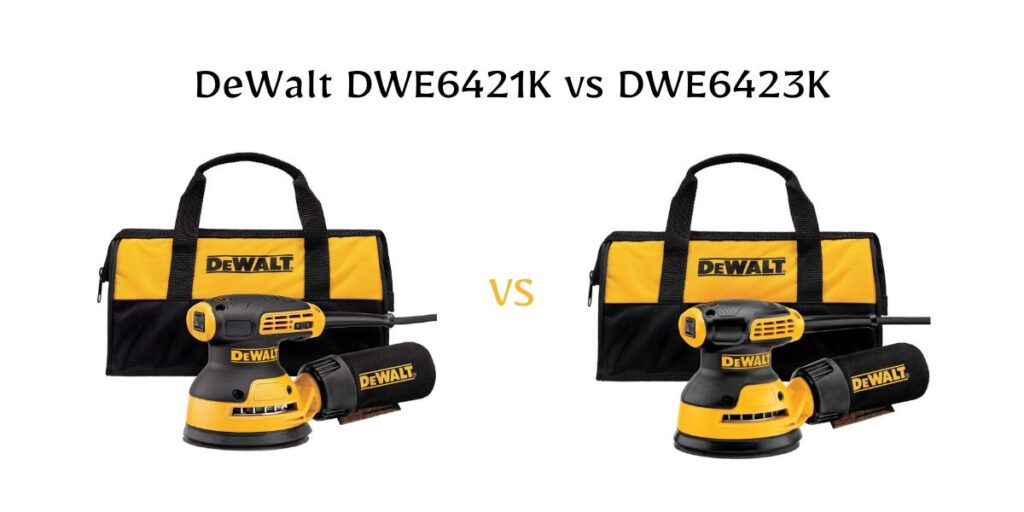
At-a-glance: DeWalt DWE6421K vs DWE6423K
| Features | DWE6421K | DWE6423K |
|---|---|---|
| Current Amazon Price | $94 | $97 |
| Speed Range | 12,000 OPM (fixed) | 8,000-12,000 OPM (variable) |
| Motor | 3.0 Amp | 3.0 Amp |
| Orbit Diameter | 3/32" | 3/32" |
| Pad Size | 5 inch | 5 inch |
| Paper Attachment | Hook & Loop | Hook & Loop |
| Dust Collection | Yes (port) | Yes (port) |
| Weight | 3.5 lbs | 3.5 lbs |
| Warranty | 3 years | 3 years |
| Case Included | Yes | Yes |
| Where To Buy | Check On Amazon | Check On Amazon |
The Real Problem: Everyone’s Giving You Outdated Advice
Every article you find will tell you the same thing: “If you’re on a budget, get the DWE6421K. If you want more control, spend the extra money on variable speed.”
Except that advice was written when these sanders had a $20-30 price gap. Back in 2020-2022, paying extra for variable speed was a legitimate decision that required thought.
At $3? That’s not a decision. That’s a rounding error.
But here’s where it gets interesting. If variable speed is only $3 more, why does the single-speed DWE6421K have MORE Amazon reviews than the variable-speed model?
Why are thousands of people still choosing the “lesser” model when the “better” one costs the same as a coffee?
Because there’s something about variable speed that nobody wants to admit out loud.
The Variable Speed Lie (That Everyone Repeats)
Let’s be honest about something that woodworkers admit in forums but review sites won’t say: most people never touch the variable speed dial.
I found a discussion on The Garage Journal where a user said: “I’ve owned the variable speed model for three years. I turned the dial down exactly twice – both times by accident.”
Another on Sawmill Creek: “Nine out of ten times, I’m running it at full speed anyway.”
Even a well-respected woodworker and YouTuber pointed out something fascinating: DeWalt’s single-speed model runs at 12,000 OPM – which is the MAXIMUM speed on the variable model.
Think about that. DeWalt is essentially saying: “For most work, you want full speed.”
So When Does Variable Speed Actually Matter?
Don’t misunderstand — variable speed isn’t useless (see when variable speed is useful). It’s just not useful as often as you think.
Variable speed becomes genuinely valuable in these specific situations:
Finishing work: When you’re sanding between coats of polyurethane or varnish, full speed generates heat that can gum up your sandpaper or even melt the finish you’re trying to smooth. Dropping to 8,000-10,000 OPM keeps things cool.
Working edges and corners: Full speed near an edge can round it over faster than you’d like. Slower speed gives you more control to keep those crisp lines.
Delicate materials: Veneered furniture, thin plywood, or soft woods can get damaged by aggressive sanding. Lower speeds reduce the risk.
Applying finishes or wax: Some people use their random orbital sander to buff in wax or polish. Variable speed matters here, though technically you’re not even “sanding” anymore.
Small parts: When you’re working on tiny pieces – think cutting board handles or small box components – full speed can be too aggressive for the surface area.
Notice what’s missing from that list? 90% of actual sanding work.
- Removing paint? Full speed.
- Leveling a glued-up tabletop? Full speed.
- Smoothing rough lumber? Full speed.
- Preparing surfaces for finish? Full speed.
This is why the single-speed model is so popular despite being “inferior” on paper. Most DIYers recognize they’ll rarely dial it down.
The Hidden Cost Nobody Mentions
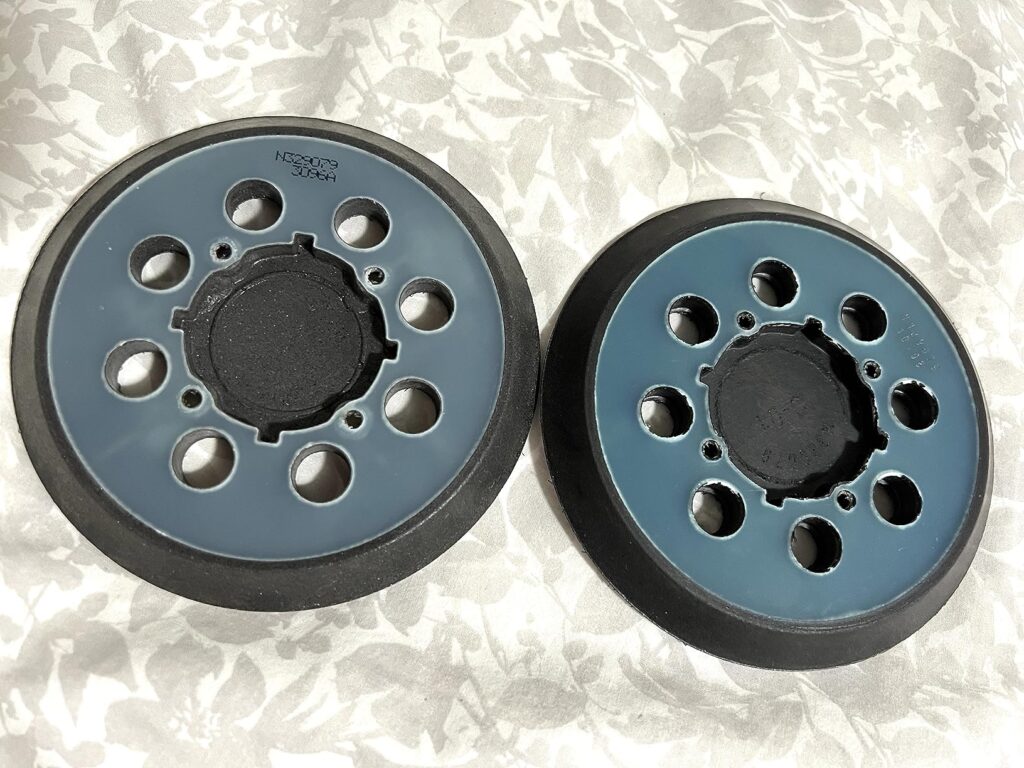
Here’s what really matters about these sanders – something zero comparison articles address.
The sanding pad will fail. Not “might fail.” Will fail.
That rubber backing pad your sandpaper sticks to? It’s a consumable part, just like the paper itself. And when it goes bad (and it will), you’ve got a choice that affects your actual ownership costs.
The Pad Replacement Reality
According to user reports on woodworking forums and Amazon reviews:
OEM DeWalt replacement pads: $20-25
Aftermarket pads (cheap): $10-15
Aftermarket pads (quality): $15-20
One user on Woodworking Talk wrote: ” Pad will not hold sandpaper anymore. Real big issue and major flaw in unit.”
The problem isn’t unique to DeWalt – it happens to all random orbital sanders. But here’s what matters:
Cheap aftermarket pads often fail within months. Users report the mounting holes tearing, the adhesive failing, or the velcro degrading even faster than the original.
OEM pads last 3-4 years of regular use but cost twice as much.
Chemical sensitivity is real. If you use your sander to apply finishes or work with certain solvents, pads degrade faster. The rubber gets brittle and cracks.
Add a $20 pad replacement to your mental math. Neither the $94 nor the $97 sander is truly that cheap if you plan to use it hard for years.
This is why some woodworkers swear by Festool – not because their sanders work better (though they do), but because the pad replacement system is better engineered. But those cost $350+.
What the Specifications Actually Mean?
I’ve seen at least three “comparison” articles claim the DWE6421K has variable speed of 8,000-12,000 OPM.
That’s completely wrong.
Let’s set the record straight:
DWE6421K: Single speed, 12,000 OPM (fixed)
DWE6423K: Variable speed, 8,000-12,000 OPM (adjustable)
Both models:
- 3.0 Amp motor
- 5-inch random orbital pattern
- 3/32″ (2.4mm) orbit diameter
- Hook and loop paper attachment
- Dust-sealed switch
- Rubber overmold texture
- 3-year limited warranty
The only meaningful difference is the speed control dial on the DWE6423K, located on the left side of the body. If you’re right-handed, this is actually convenient – you can adjust speed while holding the sander with your right hand.
The Weight Confusion
Different sources list different weights for these sanders: 2.9 lbs, 3.5 lbs, 3.8 lbs, even 4 lbs.
The shipping weight includes packaging and accessories (paper punch template, dust bag, carrying case), which explains the variation. The sander itself is roughly 3.5 lbs once you strip away everything else.
Does it matter? Not unless you’re sanding overhead for hours. Both models weigh the same.
The $3 Decision Tree: DeWalt DWE6421K vs DWE6423K
Forget everything you’ve read about “budget buyers” versus “those who need control.” At $3 apart, those categories don’t exist anymore.
Here’s how to actually decide:
Get the DWE6421K (Single Speed) if:
Current Price: $94
Why this one: Same quality as the variable speed model but locked at 12,000 OPM. Choose this if you exclusively do rough work or genuinely prefer no-frills simplicity. Saves $3, but you lose speed flexibility forever.
You want maximum simplicity. No dial to accidentally bump. No decisions to make. Turn it on, sand until done.
You’re buying your first sander. If you’ve never owned a random orbital sander before, you legitimately don’t know if you’ll use variable speed. The single-speed model removes one variable from your learning curve.
You exclusively do rough/prep work. If you’re a contractor who’s just smoothing drywall compound or removing old finish, you’ll never need lower speeds.
You somehow find it cheaper by more than $3. Prices fluctuate. If the gap widens back to $10-15, then yes, single speed makes sense again.
Get the DWE6423K (Variable Speed) if:
Current Price: $97
Why this one: Variable speed (8,000-12,000 OPM) gives you control for finish work and delicate materials. At only $3 more than the single-speed model, there's no reason not to have the option. Includes carrying case, dust bag, and 3-year warranty.
You can afford three extra dollars. Which is to say, this should be most people. You may never use variable speed, but having the option for $3 is like buying insurance you’ll probably never need – it’s cheap enough to not matter.
You do any finish work. Even once a year, between polyurethane coats, you’ll be glad you have slower speeds available. That one instance might justify the entire $3 difference.
You work with delicate materials occasionally. Veneered furniture, thin plywoods, softwoods where tear-out is a concern – variable speed gives you a safety net.
You might use it for applications beyond sanding. Wax buffing, polish application, or other non-sanding tasks benefit from speed control.
You have decision anxiety. Seriously – at $3, just get the variable speed model. The mental energy you’re spending reading this article deciding between them is worth more than three dollars. Get the “better” one and be done with it.
The Real Answer Most People Don’t Want to Hear
The DWE6423K with variable speed is the objectively better choice for 95% of buyers at the current $3 price difference.
Not because variable speed is essential. Not because you’ll use it constantly. But because the cost of having that option is now so trivial that it makes no sense to choose the limitations of single speed.
This is different from other tool decisions where you’re weighing features against price. A $50 price difference? Sure, debate it. A $15 difference? Maybe worth discussing.
Three dollars? Just get the variable speed model unless you have a specific reason not to.
The only legitimate reason to choose the DWE6421K at current pricing is if you genuinely prefer simplicity and absolutely know you’ll never need variable speed. And even then, you’re betting $3 that you’ll never, ever wish you had that option.
Are you willing to make that bet to save the cost of a small coffee?
Final Thoughts: DeWalt DWE6421K vs DWE6423K
This article exists because the current pricing situation makes every other comparison article obsolete.
When these sanders had a $20-30 gap, the decision was real. Budget mattered. You had to weigh the value of variable speed against meaningful savings.
At $3 apart, the decision is almost made for you.
The DWE6421K is a good sander. Thousands of satisfied users prove it. If someone gave it to you, you’d be happy.
But if you’re actively choosing between them right now, paying $3 extra to remove limitations makes sense for almost everyone.
Buy the DWE6423K. Use it at full speed 90% of the time. But when you need slower speeds – and eventually you will – you’ll be glad you spent three extra dollars years ago.
And if you’re still reading this trying to decide, you’ve already spent more than $3 worth of your time. Just get the variable speed model and move on with your life.
FAQs
Q: Can I use third-party sandpaper?
Yes. The 5-inch hook-and-loop standard is universal. Any 5″ or 8-hole sanding disc will work. I’ve used everything from cheap hardware store packs to premium Norton discs – they all fit fine.
Q: Will this sand off paint/stain?
Yes, but it’s not the fastest tool for heavy material removal. For stripping large areas, a belt sander is quicker. For detail work and finishing, a random orbital excels. Choose the right tool for the job.
Q: How loud is it?
Around 85-90 decibels at full speed. Noticeable but not deafening. Wear ear protection for extended sessions. The variable speed model is slightly quieter at lower speeds (maybe 80-85 dB), but not dramatically so.
Q: Can I use this for car bodywork?
Yes, the DWE6423K specifically. Variable speed is almost essential for auto body sanding – too much speed generates heat that damages paint and Bondo. This is actually one of the clearest use cases for the variable speed model.
Q: What about left-handed users?
The speed dial on the DWE6423K is on the left side, which means right-handed users can adjust it easily with their left hand while the right hand holds the body. Left-handed users might find this slightly less convenient, but it’s not a dealbreaker – you can still adjust it. If you’re left-handed and want absolutely no complications, the single-speed DWE6421K eliminates this minor consideration entirely.
Q: Does it work with a 5″ sanding disc that has no holes?
Not effectively. The dust collection relies on holes in both the paper and the pad. You can technically use non-perforated paper, but dust collection will be terrible and you’ll just create a mess. Stick with properly holed discs.
Q: What grit paper should I start with?
Depends on your starting surface. Rough lumber: 80 grit. Already-smooth wood: 120-150 grit. Between finish coats: 220-320 grit. The sander doesn’t care what grit you use – choose based on your material and goals.
Q: Can I sand metal with this?
Technically yes, but random orbital sanders aren’t ideal for metal. They’ll work for light rust removal or smoothing, but the orbital pattern isn’t aggressive enough for serious metalworking. An angle grinder with sanding discs is better for metal.