Current Price: $59
Best For: Users who want good results without extra setup
- Stronger 15-amp motor for smoother cuts
- 24-tooth blade delivers cleaner results immediately
- Laser guide and carrying bag included
- Better choice for beginners who want convenience

Current Price: $39
Best For: Buyers who want the lowest price and don’t mind minor upgrades
- 13-amp motor handles most DIY cuts easily
- Lightweight and simple to use
- Great value if you plan to upgrade the blade
- Ideal for homeowners and occasional projects
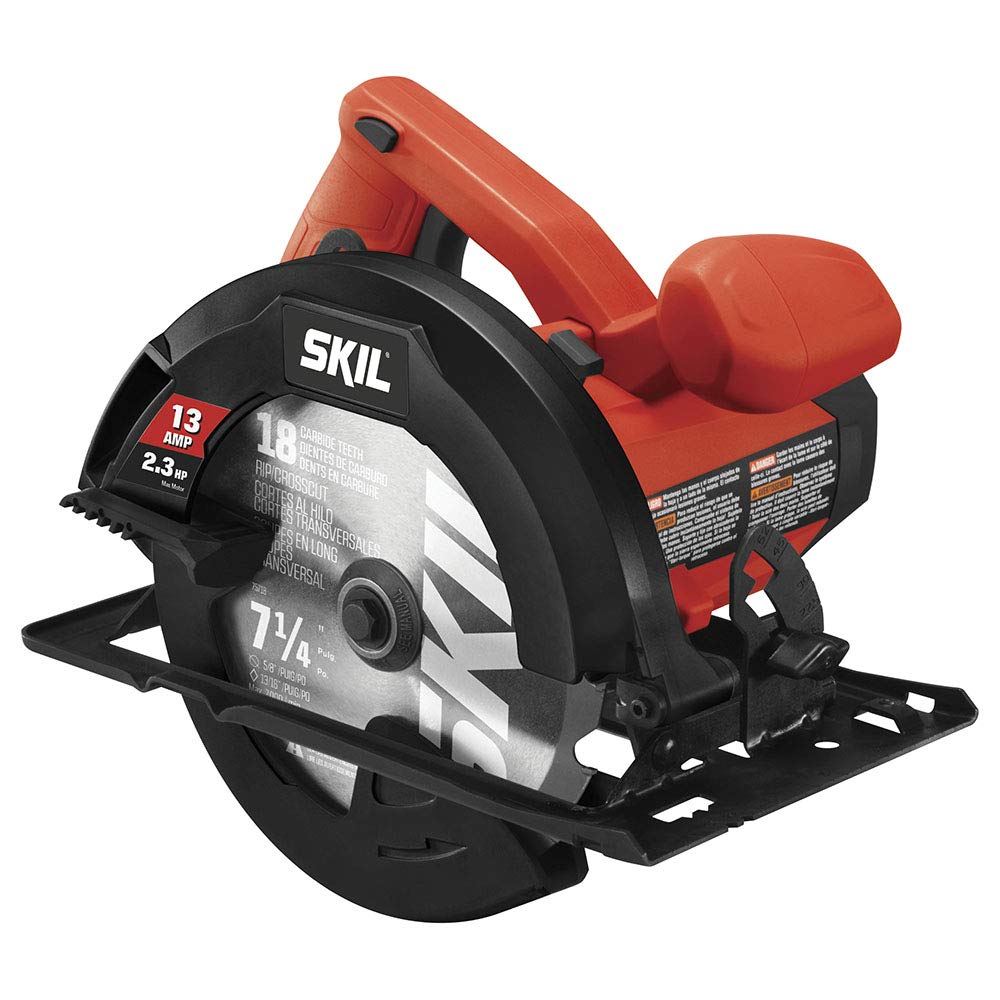
Introduction
Here’s the uncomfortable truth that no one will tell you:
The biggest difference between the Skil 5080 and Skil 5280 has almost nothing to do with the laser.
It’s about what you get out of the box, how much power actually matters for DIY users, and whether the extra $20 really saves you money—or wastes it.
Most people searching “Skil 5080 vs 5280” are stuck at the same decision:
“They look almost identical… so why is one cheaper?”
Let’s break this down the way real buyers need it.
Table of Contents
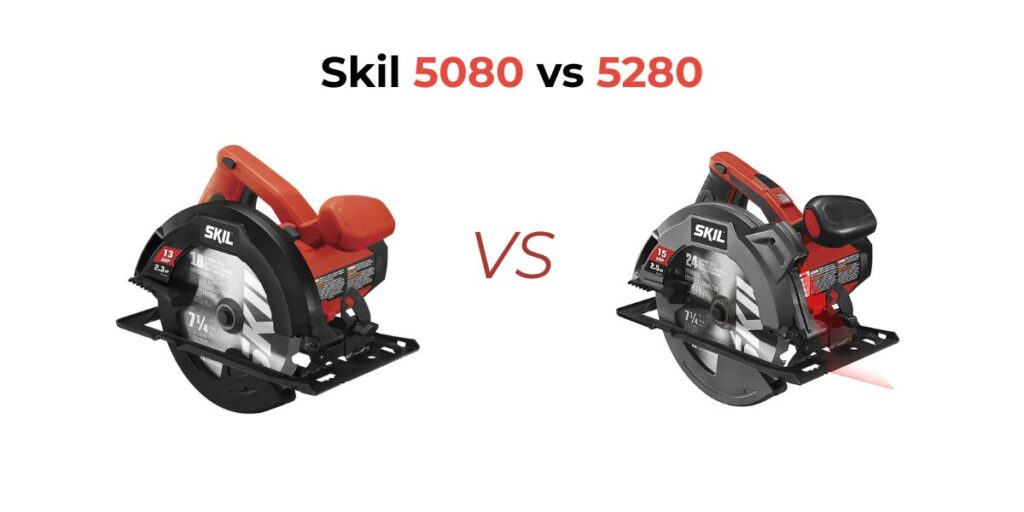
At-a-glance: Skil 5080 vs 5280
| Features | Skil 5080 | Skil 5280 |
|---|---|---|
| Motor Power | 13 Amp | 15 Amp |
| Included Blade | 18-Tooth | 24-Tooth |
| Laser Guide | ❌ No | ✅ Yes |
| Included Bag | ❌ No | ✅ Yes |
| Best For | Budget DIY users | Convenience & smoother cuts |
| Current Price | ~$39 | ~$59 |
| Where To Buy | Check On Amazon | Check On Amazon |
TL;DR: Skil 5080 vs 5280
- If you only care about raw cutting and will upgrade the blade anyway → Skil 5080 saves money.
- If you want smoother cuts out of the box with no upgrades → Skil 5280 is worth it.
- The laser is not the reason to buy the 5280.
- The included blade + motor amperage matter more than any advertised feature.
Now let’s dig into why.
Related Articles:
The Core Problem Buyers Face (And Why Most Reviews Miss It)
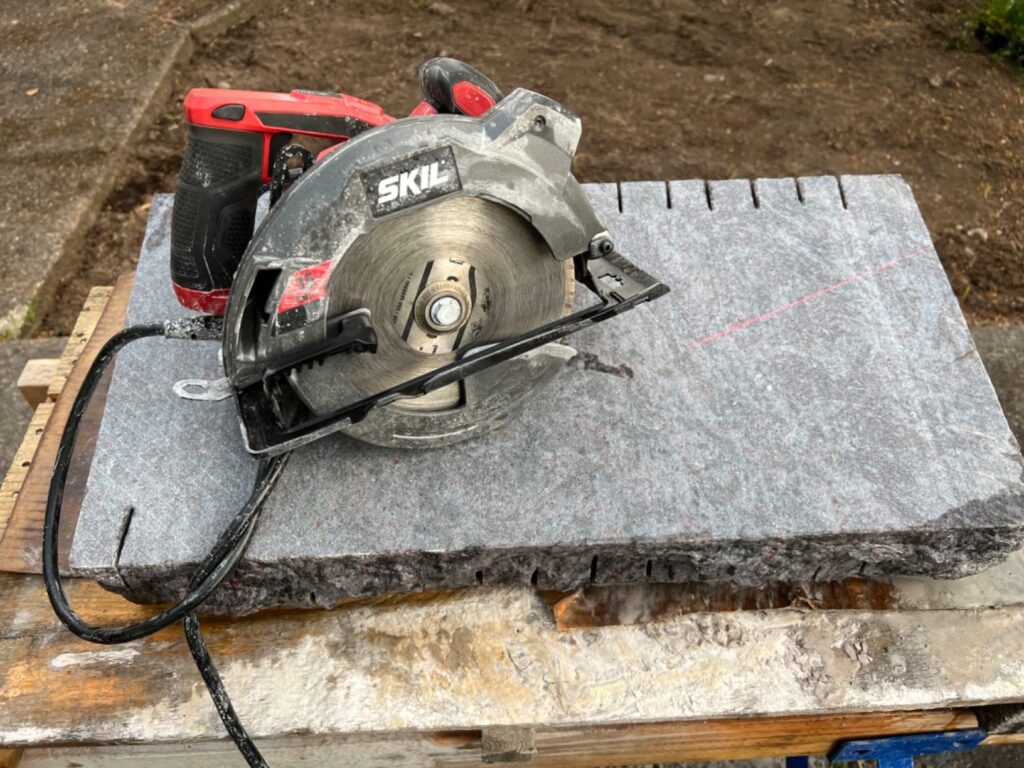
When people compare Skil 5080 vs 5280, they’re usually DIYers or homeowners—not contractors.
Their real concerns aren’t:
- “Does it have a laser?”
- “Which one has a bigger number on paper?”
Their real concerns are:
- Will it cut plywood cleanly?
- Will it struggle on 2x lumber?
- Do I need to spend more money after buying it?
- Is the price difference actually justified?
Most people regret their decision because they:
- Overfocus on specs
- Treat the laser like a premium feature
- Ignore blade quality entirely
- Never talk about real ownership costs
1: The Blade Matters More Than the Saw (For Most Users)
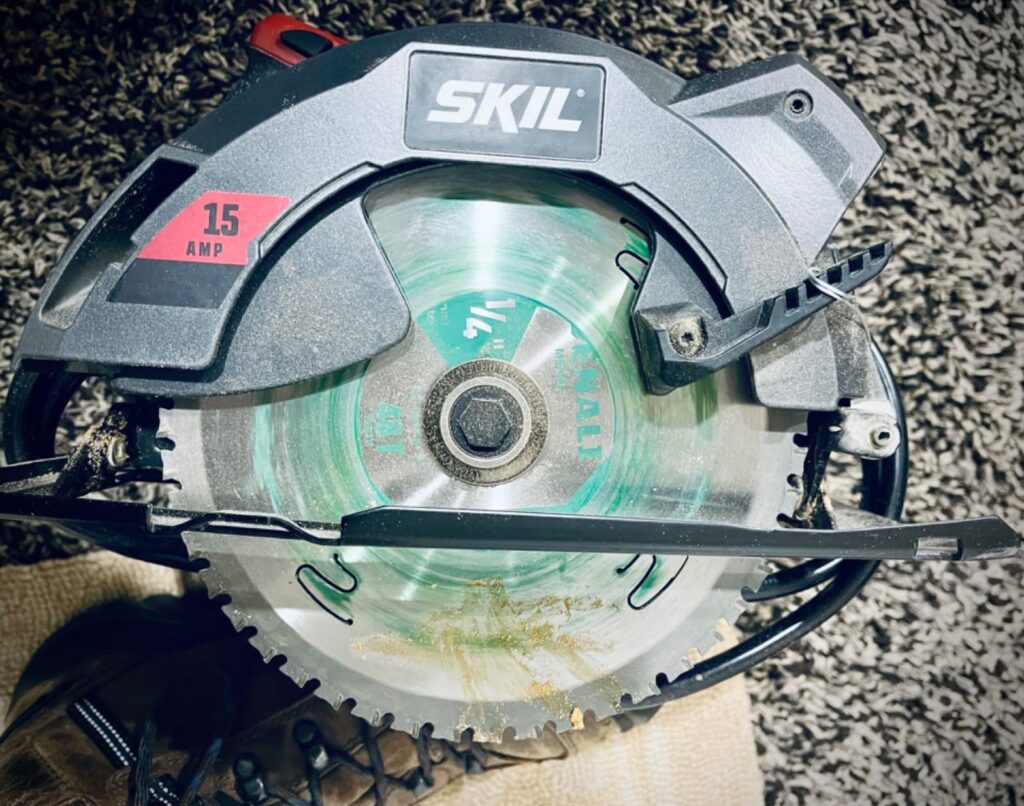
TPI (Teeth per inch) is the single most important difference between the Skil 5080 and 5280.
What You Actually Get
- Skil 5080 → Comes with an 18-tooth blade
- Skil 5280 → Comes with a 24-tooth blade
Why this matters:
- 18T blades = faster, rougher cuts (fine for framing)
- 24T blades = noticeably cleaner cuts on plywood and sheet goods
Real-World Impact
Most DIY projects involve:
- Plywood
- MDF
- Shelving
- Cabinets
- Subfloor repairs
In those cases, the 24T blade alone can make the 5280 feel like a better saw, even if the motors were identical.
👉 Many people think the 5280 “cuts better” when in reality, it’s mostly the blade doing the work.
2: The Motor Difference Is Real—but Not Always Important
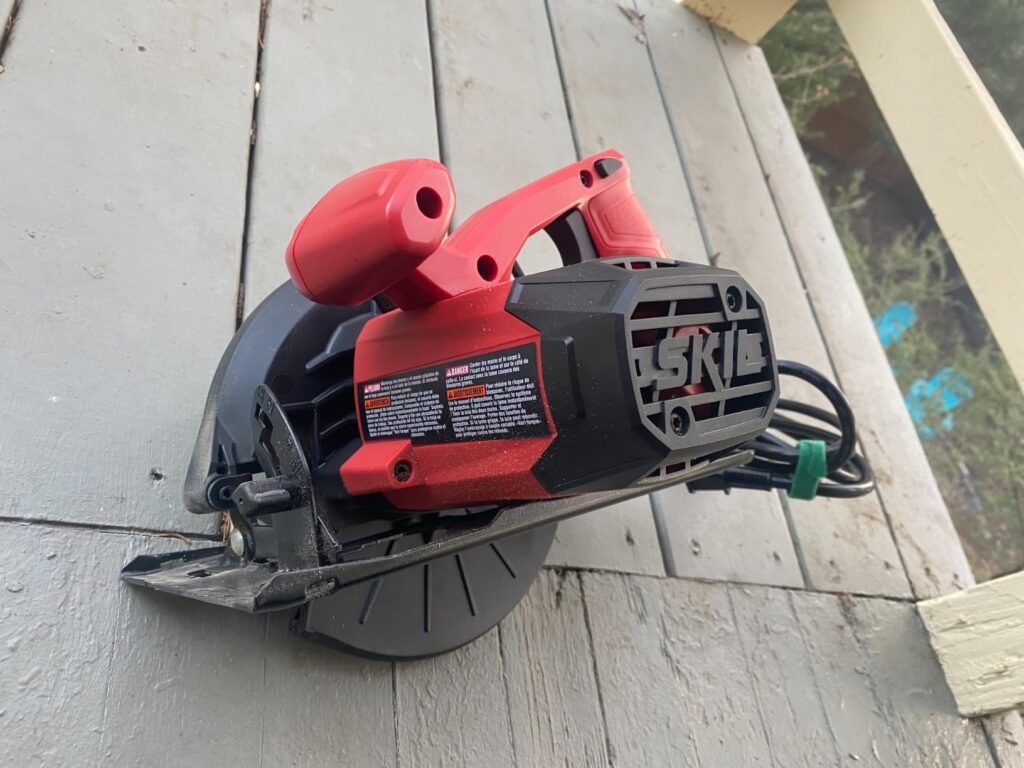
- Skil 5080 → 13-amp motor
- Skil 5280 → 15-amp motor
Yes, the 5280 has more power.
But here’s the honest breakdown:
When the Extra 2 Amps Actually Matter
- Ripping thick hardwood
- Repeated long cuts without pauses
- Dense pressure-treated lumber
- Users who push the saw hard instead of letting the blade work
When You’ll Never Notice the Difference
- Occasional home projects
- Cutting 2x4s, plywood, MDF
- Weekend DIY use
- Users who make controlled, steady cuts
For 90% of homeowners, the power difference is nice to have, not essential.
3: The Laser Is Overrated (And Sometimes Misleading)
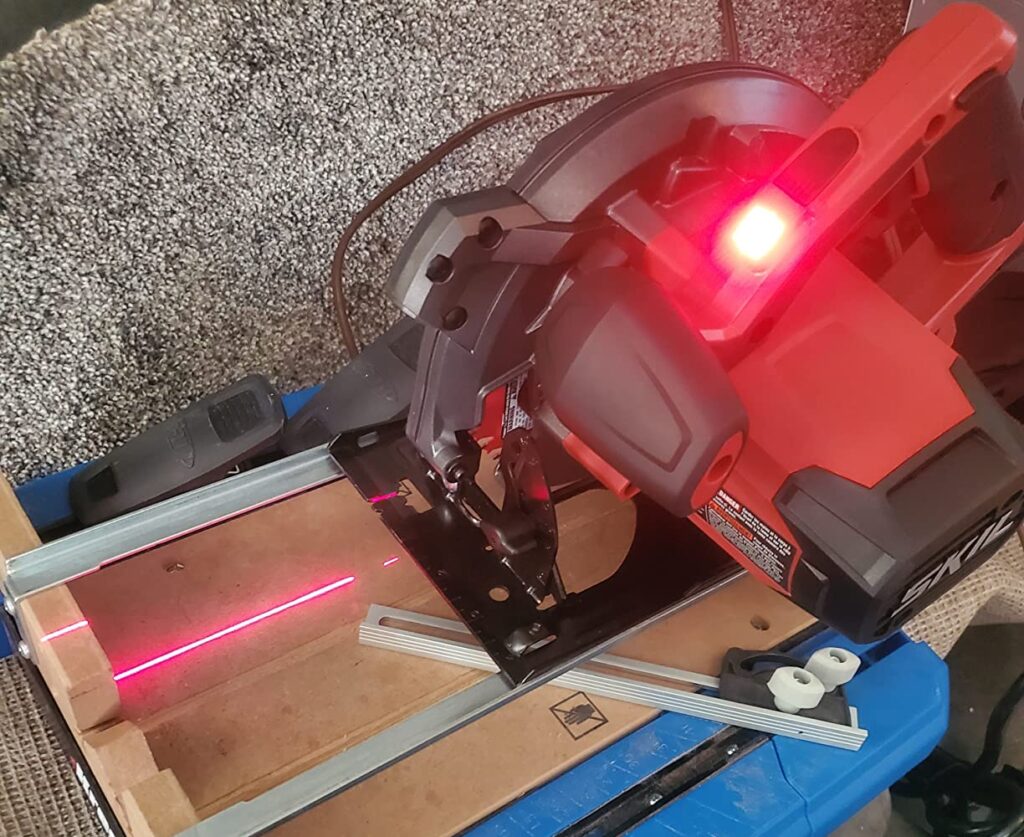
The laser is the most marketed feature on the Skil 5280—and also the least important.
Here’s why:
- Lasers don’t account for blade kerf thickness
- They can drift out of alignment
- Bright light makes them hard to see
- Experienced users stop relying on them quickly
A properly set guide rail or straightedge is:
- More accurate
- More repeatable
- More reliable
👉 If the laser is your main reason for choosing the 5280, you’re paying for the wrong feature.
4: Price Is the Silent Deal-Breaker
At the prices you provided:
- Skil 5080 → $39
- Skil 5280 → $59
That $20 difference changes everything.
Here’s the smarter way to think about it:
- A good 24T blade costs $10–$15
- The 5080 + upgraded blade still costs less than the 5280
- You’d get similar cut quality without paying for features you may not use
But…
If you don’t want to upgrade anything and want decent results immediately, the 5280 earns its price.
Durability & Long-Term Ownership (What Spec Sheets Don’t Tell You)
Both saws are clearly aimed at:
- DIYers
- Homeowners
- Light renovation work
Neither is built for:
- Daily jobsite abuse
- Commercial framing crews
- Years of heavy professional use
Common long-term realities reported by users:
- Bearings and brushes wear before motors fail
- Performance drops when blades dull (often misdiagnosed as motor weakness)
- Proper blade choice extends saw life more than extra amperage
Bottom line:
👉 Blade maintenance matters more than model choice for longevity.
Making Final Decision: Skil 5080 vs 5280
Choose Skil 5080 if:
Current Price: $39
Best For: Buyers who want the lowest price and don’t mind minor upgrades
- 13-amp motor handles most DIY cuts easily
- Lightweight and simple to use
- Great value if you plan to upgrade the blade
- Ideal for homeowners and occasional projects
- You want the lowest upfront cost
- You’re comfortable swapping blades
- Most of your work is basic DIY
- You prefer value over bundled features
- You want control over blade selection
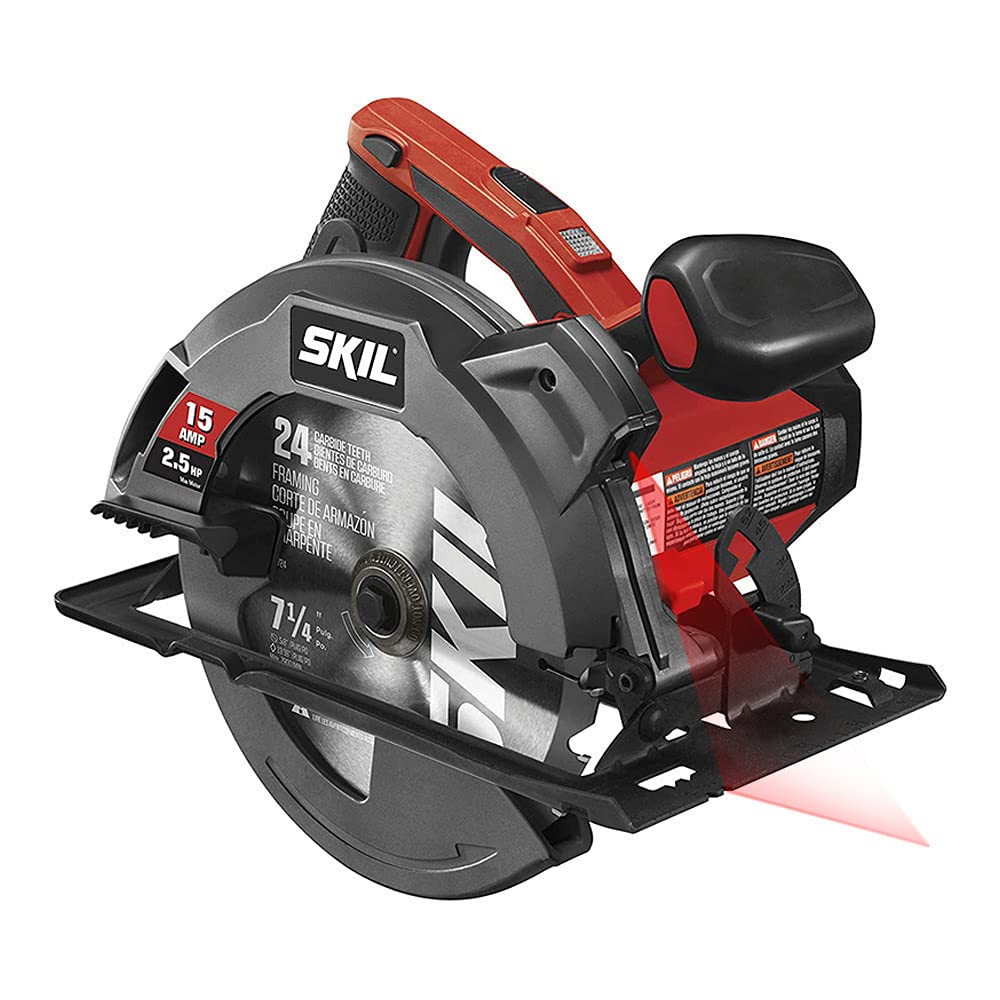
Choose Skil 5280 if:
Current Price: $59
Best For: Users who want good results without extra setup
- Stronger 15-amp motor for smoother cuts
- 24-tooth blade delivers cleaner results immediately
- Laser guide and carrying bag included
- Better choice for beginners who want convenience
- You want better results immediately out of the box
- You don’t want to think about blade upgrades
- You do more plywood and finish work
- You value convenience over optimization
- You find it at a small price gap (≈$15–$20)
Don’t buy either if:
- You expect contractor-grade durability
- You cut hardwood daily
- You need precision finish cuts without guides
Final Verdict (The Honest One)
The Skil 5080 vs 5280 debate isn’t about good vs bad—it’s about how you plan to use the saw.
If you enjoy optimizing your tools and saving money, the 5080 is the smarter buy.
If you want decent performance with zero setup and fewer decisions, the 5280 justifies its price.
Just don’t buy the 5280 because of the laser.
That’s not where the real value is.
FAQs
1. Is the Skil 5280 more powerful than the 5080?
Yes. The 5280 has a 15-amp motor, while the 5080 has a 13-amp motor.
2. Does the laser on the Skil 5280 really help?
Not much. It’s useful for beginners but not essential for accurate cuts.
3. Can the Skil 5080 cut plywood cleanly?
Yes, but upgrading to a higher-tooth blade makes a big difference.
4. Is the price difference between Skil 5080 and 5280 worth it?
Only if you want better cuts out of the box without buying an extra blade.
5. Are these saws good for professional use?
No. Both are best suited for DIYers and homeowners.
6. Which one is better for beginners?
The Skil 5280, because it includes a better blade and needs less setup.