
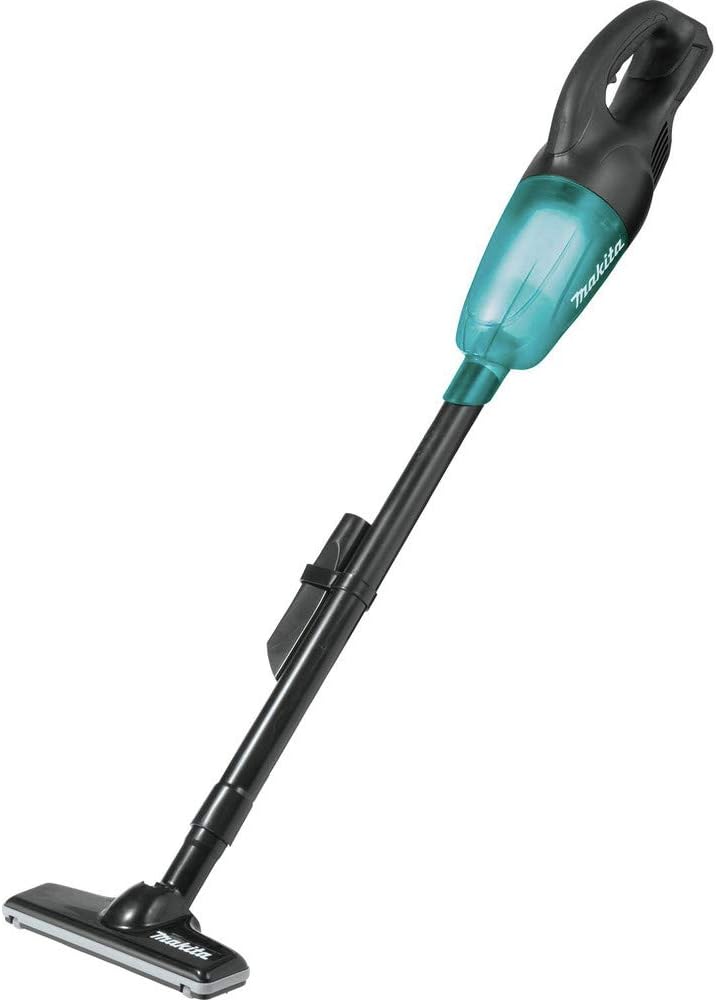
Introduction
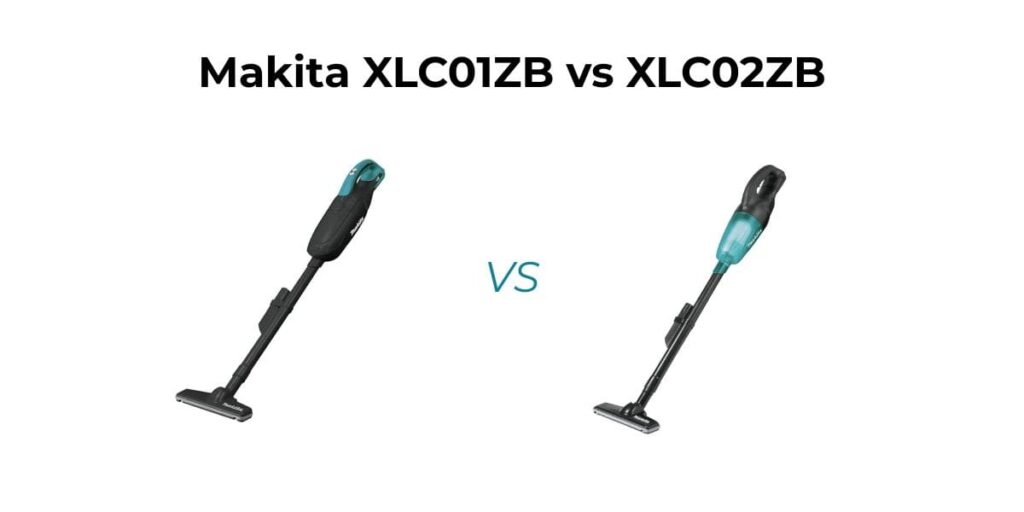
Makita XLC02ZB costs $15 less than the XLC01ZB ($129 vs $144), delivers 31% more suction power, yet most professionals I’ve seen discussing Makita XLC01ZB vs XLC02ZB actually prefer the more expensive, weaker model. That doesn’t make sense… until you dig into what’s really happening with these two cordless vacuums.
Well, I discovered the answer isn’t about suction at all. It’s about something Makita barely mentions in their marketing, but users complain about constantly: what happens during minute 34 of your cleanup session.
Table of Contents
TL;DR:
The XLC02ZB gives you more power for less money but cuts your runtime nearly in half (33 min vs 60 min). The XLC01ZB costs more and sucks less, but lets you work twice as long without battery swaps. Your choice depends entirely on whether you’re doing 5-minute car cleanups or 45-minute workshop sessions.
Related Articles:
At-a-glance: Makita XLC01ZB vs XLC02ZB
| Features | XLC01ZB | XLC02ZB |
|---|---|---|
| Price | $144 | $129 |
| Suction Power | 35 CFM | 46 CFM |
| Runtime (5.0Ah) | 60 minutes | 33 minutes |
| Noise Level | 61 dB(A) | 71 dB(A) |
| Capacity | 0.5L (1 pint) | 0.65L (1.3 pints) |
| Weight | 2.9 lbs | 3.2 lbs |
| Control | Push-button (2-speed) | Trigger (single speed) |
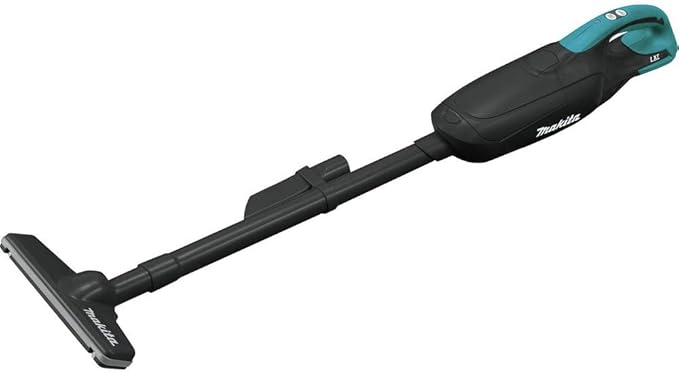
| Collection | Bag system | Bagless (cloth filter) |
| Speed Options | High/Low | Single speed only |
| Where To Buy | Check On Amazon | Check On Amazon |
The Runtime Trade-Off Nobody Warned You About
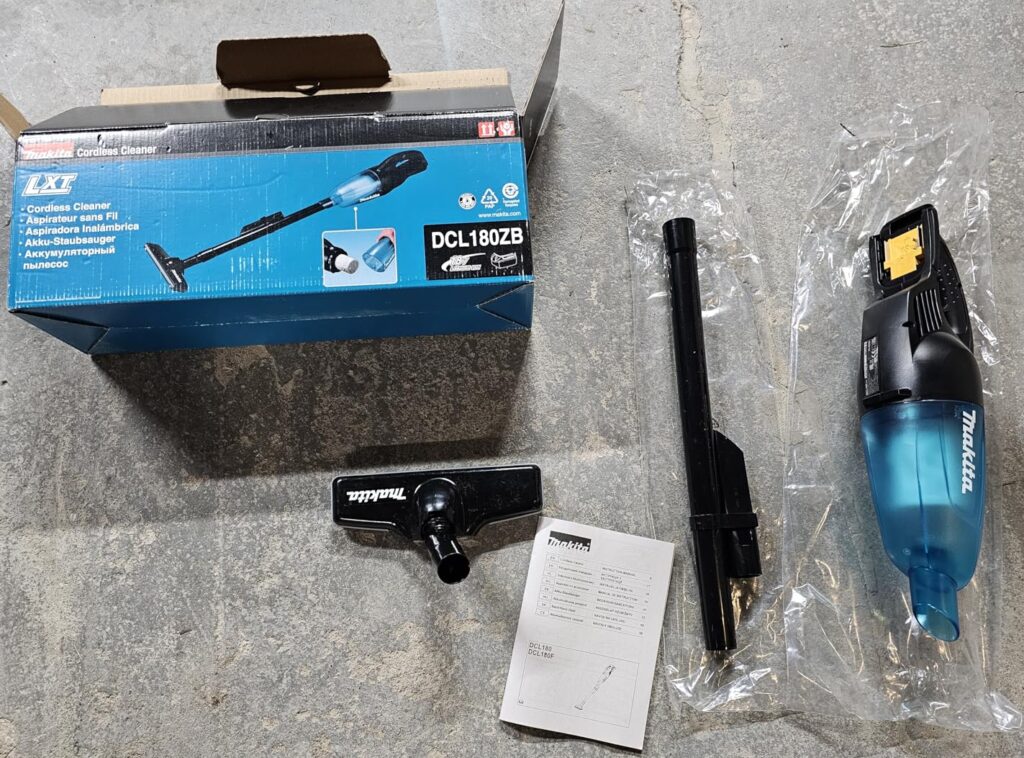
Let’s put the numbers on the table first, because this is where most comparison articles completely miss the point:
XLC01ZB: 35 CFM suction, 60 minutes runtime (5.0Ah battery)
XLC02ZB: 46 CFM suction, 33 minutes runtime (5.0Ah battery)
The XLC02ZB gives you 31% more suction but takes away 45% of your battery life. And here’s the kicker from real users: that 33-minute spec? One Reddit user running it continuously reported getting only 15-20 minutes in actual workshop conditions.
Think about what this means practically. If you’re cleaning out your truck after a job, 15-20 minutes is plenty. But if you’re a woodworker doing end-of-day shop cleanup, or you’ve got a large house with mostly hard floors, you’re swapping batteries mid-job. Every. Single. Time.
A construction professional on Tool Box Buzz put it bluntly after field testing: the XLC02ZB became “one of my favorite and most used tools in the shop,” but the context matters. He’s using it for quick messes between tasks, not continuous operation.
The Wrist Fatigue Problem (And Why Push-Buttons Matter)
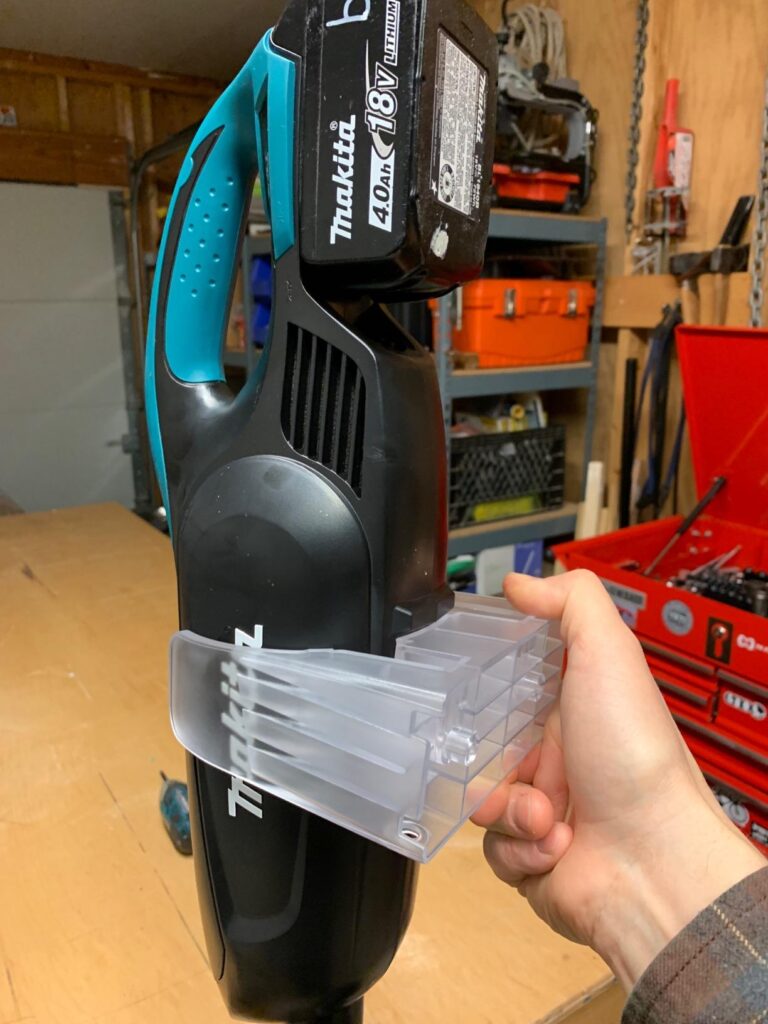
Here’s something the spec sheets don’t tell you: the XLC01ZB uses a push-button control (set it and forget it), while the XLC02ZB requires you to hold down a trigger the entire time you’re vacuuming.
Sounds minor, right? Until you’re 20 minutes into cleaning and your forearm is cramping.
One Amazon reviewer was direct about it: “Another issue (though minor) is the trigger during longer cleaning binges; it can get a bit annoying having to hold it in.” Another user, comparing to older Makita models, specifically praised the XLC01ZB: “really like not having to hold the ‘run’ lever down while vacuuming.”
This is the difference between a tool designed for quick pickups (trigger) versus extended cleaning sessions (push-button). The XLC01ZB’s two-speed control means you can toggle between high power for debris and low power for light dust, all without constantly gripping a trigger.
For homeowners doing 10-minute spot cleans? The trigger is fine. For professionals spending 30-45 minutes on jobsite cleanup? That trigger becomes a legitimate ergonomic issue.
Bags vs Bagless: The Pet Hair Reality Check
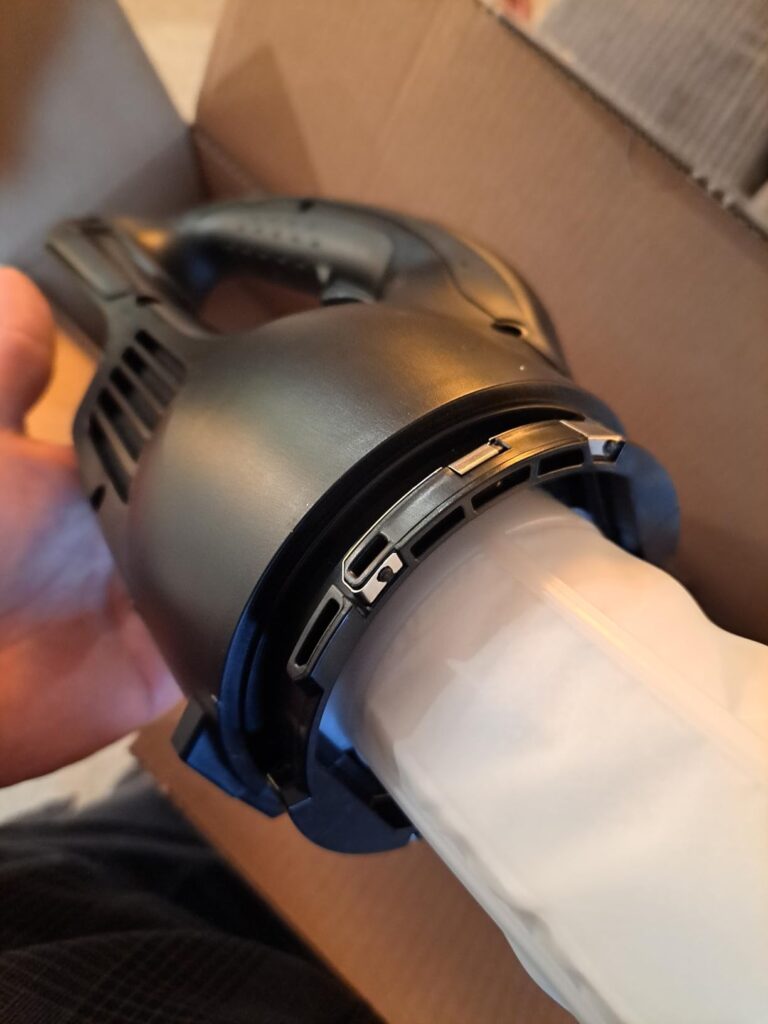
The internet loves to tell you bagless is always better. It’s not.
I found an eBay reviewer who nailed the actual trade-off: they were considering switching To the bagged XLC01ZB specifically “for the amount of hair I pick up, instead of having to pick it out of the cage mesh on the 02.”
If you’re dealing with pet hair, long human hair, or fine sawdust, the bagless system on the XLC02ZB means you’re manually cleaning the mesh filter regularly. One user maintaining a patio with daily debris (millipedes, dead lizards, droppings) bought four XLC02ZB units for different house locations, but even they noted the maintenance routine is constant.
The bagged XLC01ZB? You pull the bag out and toss it. No finger-picking hair out of mesh. No rinsing filters under the faucet.
However, bags cost money over time. If you’re doing light dust pickup, the bagless XLC02ZB makes more economic sense long-term. But if your vacuum is seeing hair, fibrous debris, or sticky construction dust, bags are your sanity-saver.
The Noise Trade-Off You’ll Notice
The XLC02ZB operates at 71 dB(A). The XLC01ZB runs at 61 dB(A).
That 10-decibel difference translates to roughly 25% louder perceived volume. For context, 71 dB is about as loud as a washing machine or dishwasher at close range. The XLC01ZB at 61 dB is closer to normal conversation level.
If you’re using this in a residential setting early morning or late evening, that difference matters. If you’re on a construction site surrounded by power tools, you won’t even notice.
The Cyclone Attachment Game-Changer
Here’s something almost no comparison mentions: both of these vacuums work dramatically better with Makita’s optional cyclone attachment, which runs about $35-40.
According to Makita’s own data, the cyclone captures up to 90% of dust particles before they reach the main filter and reduces the frequency of emptying the canister by up to 84%. Multiple users confirmed this isn’t marketing fluff.
One Reddit user stated: “I have the XLC02 with the cyclone attachment. It works well for what it is.” An eBay reviewer was even more emphatic: “The cyclone attachment is in my opinion a necessary addition to keep your filter cleaner, it also helps not to bother you emptying it that many times.”
So here’s your real cost comparison:
- XLC01ZB: $144 + $40 cyclone = $184 total
- XLC02ZB: $129 + $40 cyclone = $169 total
That $15 price gap just became $15 for the complete setup. The question shifts: is that $15 savings worth the runtime sacrifice and trigger fatigue?
The Balance Problem Everyone Experiences
Both vacuums suffer from the same physics problem: when you stick a 3.0Ah or larger battery on the handle, they become noticeably top-heavy.
An Amazon UK user captured this perfectly: “I might pick up a thinner/lighter 18v battery as these big ones make the vac pretty heavy and unbalanced—heavy at the handle and light and flimsy feeling at the tube end.”
This creates a paradox: you want the larger battery for more runtime, but it makes the vacuum awkward to maneuver. The XLC02ZB’s shorter runtime actually makes smaller batteries (2.0Ah) more practical, which improves handling. The XLC01ZB’s longer runtime benefits from larger batteries, which hurts handling.
There’s no perfect solution here, just trade-offs. If you already own a range of Makita 18V batteries, experiment with what balances best. Many users report 2.0-3.0Ah batteries offer the sweet spot between runtime and handling.
What These Actually Excel At? (Realistic Expectations)
Let’s be honest about what these are not: they’re not replacements for a full-size corded vacuum with a powered brush roll.
A Reddit user put it plainly: “What it is not is a replacement for a full vacuum with powered beater bar.” Another noted: “The makita stick vac is for hard floors only just FYI it’s pretty gutless” when dealing with carpets.
Where they genuinely shine:
- Workshop cleanup after cutting, drilling, or sanding
- Vehicle interiors (especially jobsite trucks)
- Hard floor quick pickups in homes
- Spot cleaning between full vacuuming sessions
- Garage and patio debris
One family bought four units to place strategically around their large house for daily spot-cleaning convenience. A professional contractor keeps one in their truck full-time for cleaning up metal shavings and dried mud after jobs.
They’re supplemental cleaning tools, not primary ones. Set your expectations accordingly, and you’ll love them. Expect them to deep-clean your carpets, and you’ll be disappointed.
The Makita Ecosystem Factor
If you’re already invested in Makita’s 18V LXT system (which includes 275+ tools), this decision becomes simpler. You’re not really evaluating standalone vacuum performance—you’re choosing which vacuum best leverages your existing battery collection.
Multiple users specifically cited battery compatibility as their purchase driver: “I like the fact that it works with the same batteries as my Makita tools fleet.” One professional mentioned rotating batteries through their drill, impact driver, and vacuum throughout the day without ever running out of power.
Makita’s Star Protection technology provides communication between batteries and tools to prevent overloading, over-discharging, and overheating, which means your batteries last longer across your entire tool collection.
If you’re not in the Makita ecosystem, factor in battery costs: a single 5.0Ah battery with charger runs $100-150. Suddenly these “tool only” prices need $100+ added on.
The Verdict: Decision Tree
Choose the XLC01ZB ($144) if:
- You’re doing cleanup sessions longer than 20 minutes regularly
- You have wrist, hand, or arm fatigue concerns
- You deal with pet hair, long hair, or fibrous debris frequently
- You prefer quieter operation (residential use, early/late hours)
- You want the flexibility of high/low speed settings
- You’re a professional using this daily on jobsites
Choose the XLC02ZB ($129) if:
- Your cleaning sessions are typically under 15 minutes
- You prioritize maximum suction power for stubborn debris
- You prefer not buying replacement bags
- Noise isn’t a concern (workshop, garage, outdoor use)
- You do quick spot-cleaning rather than full-room cleaning
- Budget is tight and $15 matters
Still undecided? Ask yourself this:
How often will you be mid-cleanup when the battery dies? If that scenario frustrates you, the XLC01ZB’s 60-minute runtime is worth every extra dollar. If you can’t remember the last time you vacuumed for more than 20 minutes straight, save the $15 and get more suction with the XLC02ZB.
The real winner? Adding the $40 cyclone attachment to whichever model you choose. That accessory extends filter life dramatically and reduces your emptying frequency by 80%+. Several experienced users called it essential, not optional.
Final thought: Makita XLC01ZB vs XLC02ZB
Both of these are excellent supplemental cleaning tools if you’re already in the Makita ecosystem. Neither replaces a full-size vacuum, but both eliminate the hassle of dragging out a corded unit for quick jobs. The “wrong” choice is buying one expecting corded vacuum performance. The “right” choice is matching the runtime and control style to how you’ll actually use it.
FAQs
Which vacuum has longer runtime?
XLC01ZB runs up to 60 minutes; XLC02ZB lasts about 33 minutes.
Which vacuum has stronger suction?
XLC02ZB delivers 46 CFM, 31% more than XLC01ZB’s 35 CFM.
Are these vacuums good for pet hair?
XLC01ZB with bagged system handles hair better; XLC02ZB is bagless, requiring frequent filter cleaning.
Which one is quieter?
XLC01ZB operates at 61 dB; XLC02ZB is louder at 71 dB.
Do they fit into the Makita battery ecosystem?
Yes, both use Makita 18V LXT batteries, compatible with 275+ Makita tools.
Is the cyclone attachment worth it?
Yes, it captures up to 90% of dust and reduces filter cleaning by 80%+.