Current Price: $280
🏆Best For: professionals who value speed over finesse
- Higher material removal per pass
- Better for rough lumber and hardwoods
- More stable on wide, flat surfaces
- Best choice for frequent, heavy-duty use

Current Price: $199
🏆Best For: precision work and long sessions
- Lighter and easier to handle
- More forgiving depth control
- Ideal for doors, trim, and renovation work
- Lower price with excellent build quality
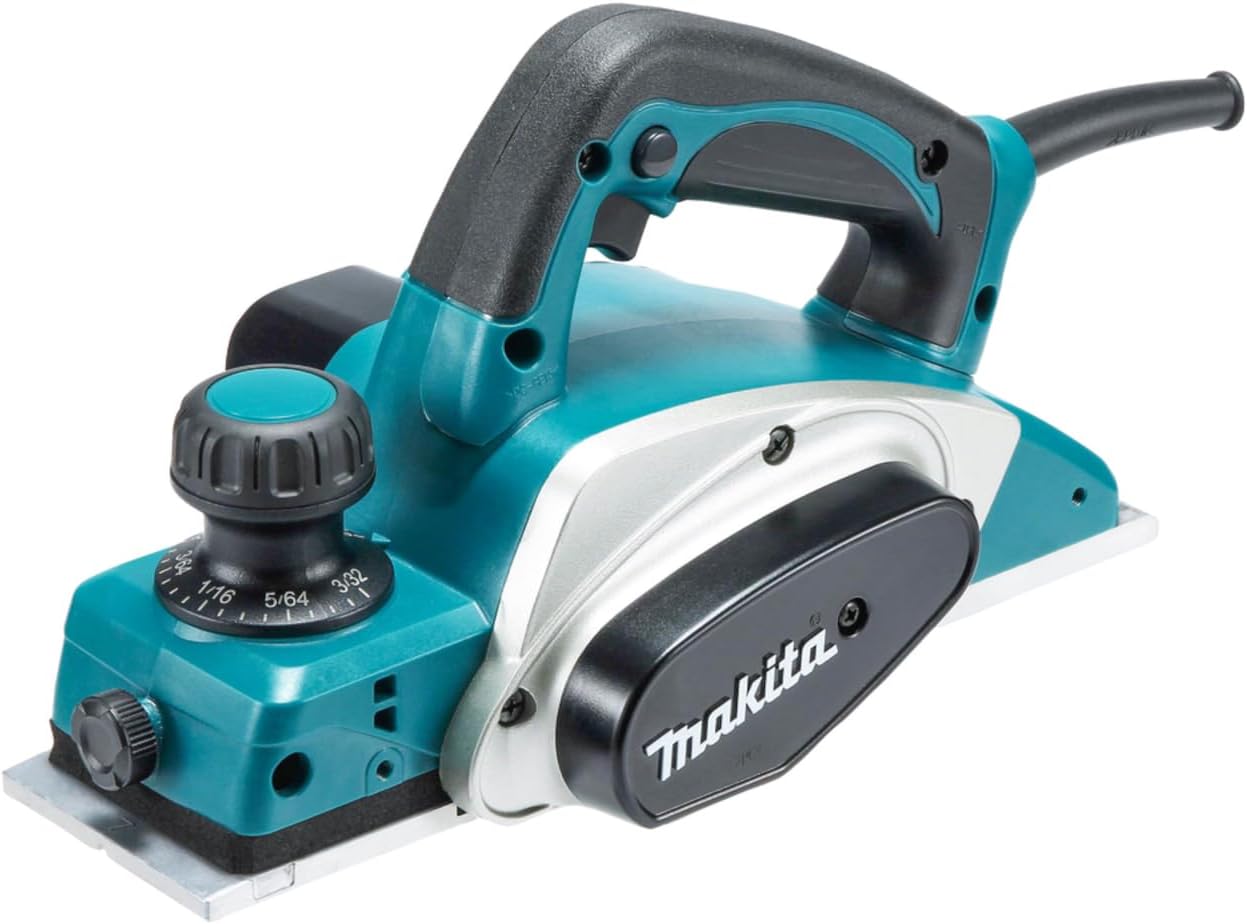
Introduction
I’m pretty sure that you have been comparing the specs of these two planers to decide which is better.
But, that’s a mistake for these planers.
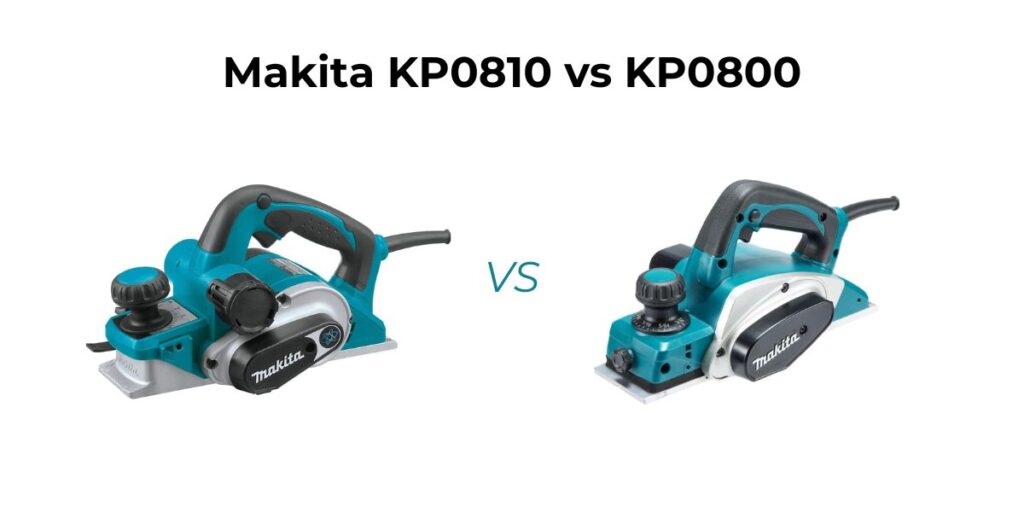
Because when you look beyond Makita’s spec sheets, the real deciding factors between the Makita KP0810 vs KP0800 are depth control behavior, dust handling, and how the tool feels after hours of use — not amps or RPM.
This article is written for people who are struggling to find which of these planners they should buy. If you’re deciding between paying $280 for the KP0810 or $199 for the KP0800, this will help you make the decision you won’t regret six months later.
Table of Contents
Quick Specs Comparison: Makita KP0810 vs KP0800
| Features | Makita KP0810 | Makita KP0800 |
|---|---|---|
| Current Amazon Price | ~$280 | ~$199 |
| Planing Width | 82mm | 82mm |
| Max Cut Depth | Deeper per pass | Shallower, more controlled |
| Power Feel | Aggressive & fast | Smooth & predictable |
| Weight | Heavier | Lighter |
| Best For | Heavy stock removal, hardwoods | Doors, trim, finish work |
| Ease of Control | Moderate | High |
| Beginner Friendly | No❌ | Yes✅ |
| Where To Buy | Check On Amazon | Check On Amazon |
TL;DR:
- KP0810 is the better choice for heavy stock removal and frequent use — but it’s heavier and less forgiving.
- KP0800 is lighter, easier to control, and better for trim, doors, and finish prep — but it’s not built for aggressive material removal.
- The real difference isn’t power — it’s how precisely you can control depth and how cleanly each tool manages chips.
Related Articles:
Why Most People Miss the Point?
Almost everyone of you compare the same thing: Specs sheet.
That approach ignores how planers actually work.
In real workshops and job sites, users complain about:
- Depth knobs that feel jumpy or stiff
- Uneven cuts when planing doors or edges
- Dust ports clogging mid-pass
- Fatigue from tool balance, not just weight
Those are the problems that decide whether a planer is a joy or a regret.
Let’s address those first.
1: Depth Control Matters More Than Maximum Depth
On paper, the KP0810 wins:
- More powerful motor
- Deeper maximum cut per pass
But maximum depth is not the same as usable depth.
KP0810: Powerful, Less Forgiving
The KP0810 removes material fast — sometimes too fast.
Several experienced users note that small adjustments on the depth knob remove more material than expected, especially on softer woods.
This isn’t a flaw — it’s a trade-off:
- Great for flattening rough lumber
- Less ideal for delicate edge work or doors
If your work requires precision over aggression, this matters.
KP0800: Slower, More Predictable
The KP0800’s lighter motor and shallower cutting behavior make it easier to sneak up on a perfect cut.
For tasks like:
- Door trimming
- Chamfering edges
- Final passes on glued panels
…predictability beats raw power.
Bottom line:
If you often overshoot your depth with the KP0810, that’s not user error — it’s the tool’s nature.
2: Weight Isn’t Just About Fatigue — It Affects Accuracy
The KP0810 is heavier. That’s obvious.
What’s less obvious is how that weight changes results.
KP0810: Stable on Flat Surfaces
On wide boards and benches, the extra weight helps:
- Better contact with the surface
- Less chatter when taking deeper passes
KP0800: Better Balance for Vertical & Edge Work
When planing:
- Doors on hinges
- Vertical edges
- Long narrow stock
…the KP0800 feels more controllable. Users report less wrist strain and better consistency over long sessions, even though the motor is weaker.
This is where many buyers misjudge the tools:
They choose power, then realize most of their work isn’t flat stock on a bench.
3: Dust Ejection Is a Real Pain Point (That Nobody Tests)
This almost never gets proper coverage.
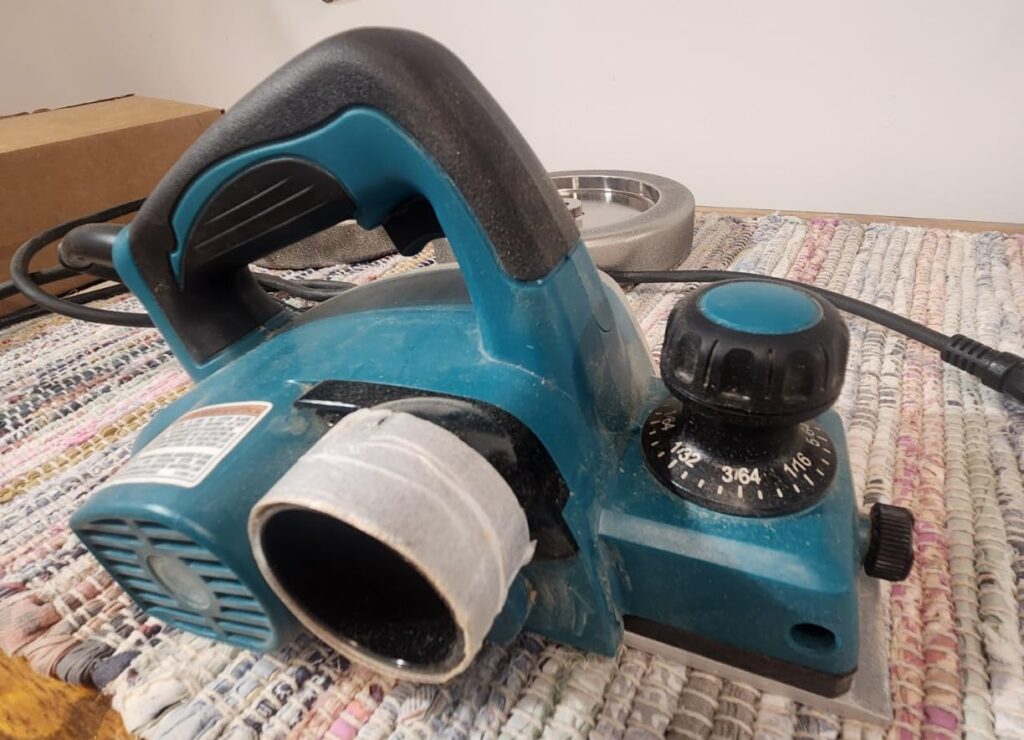
Both planers use side-ejection dust ports, but in real use:
- Chip clogging happens, especially without a vacuum
- Wet or resin-heavy wood makes it worse
KP0810: More Chips, More Problems
Because it removes material faster, the KP0810 produces larger volumes of chips, increasing the chance of clogging if:
- The dust bag is partially full
- The vacuum hose restricts airflow
KP0800: Cleaner for Small Jobs
The KP0800’s lower chip volume makes it less frustrating for quick jobs without dust extraction.
If you work indoors or in finished spaces, this difference matters more than Makita’s marketing suggests.
Price Reality: Is the $81 Difference Justified?
Let’s be honest — price is part of the decision.
- KP0810: ~$280
- KP0800: ~$199
That’s not a small gap.
When the KP0810 Justifies the Extra Cost?
- Frequent rough stock flattening
- Thick hardwood removal
- Professional use where time matters more than finesse
When the KP0800 Is the Smarter Buy?
- Door trimming and finish prep
- DIY and renovation work
- Long sessions where fatigue affects accuracy
Important insight:
Many buyers overpay for power they rarely use — and under-value control and comfort they use every day.
Build Quality & Long-Term Use (What Actually Lasts?)
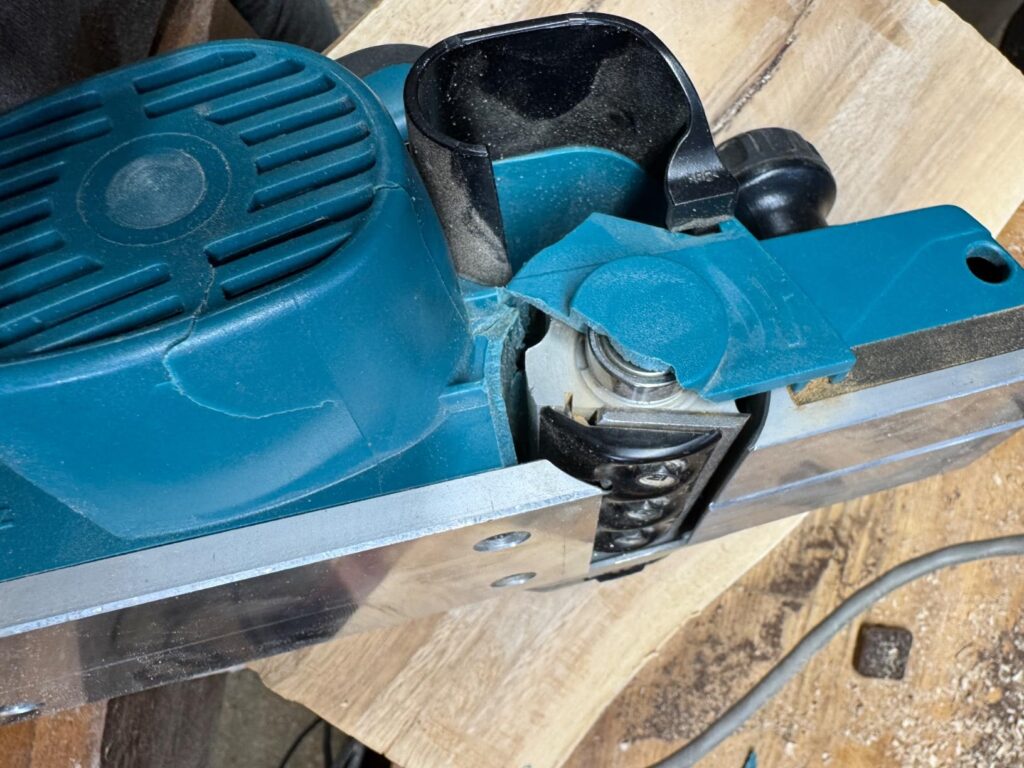
Both tools are solidly built — this is Makita, after all.
But longevity depends on how you stress the tool:
- Pushing the KP0800 too hard shortens blade life
- Using the KP0810 aggressively on soft woods increases tear-out and rework
Neither tool is unreliable — misuse is the real enemy.
Making Final Decision: Makita KP0810 vs KP0800
Choose the Makita KP0810 if:
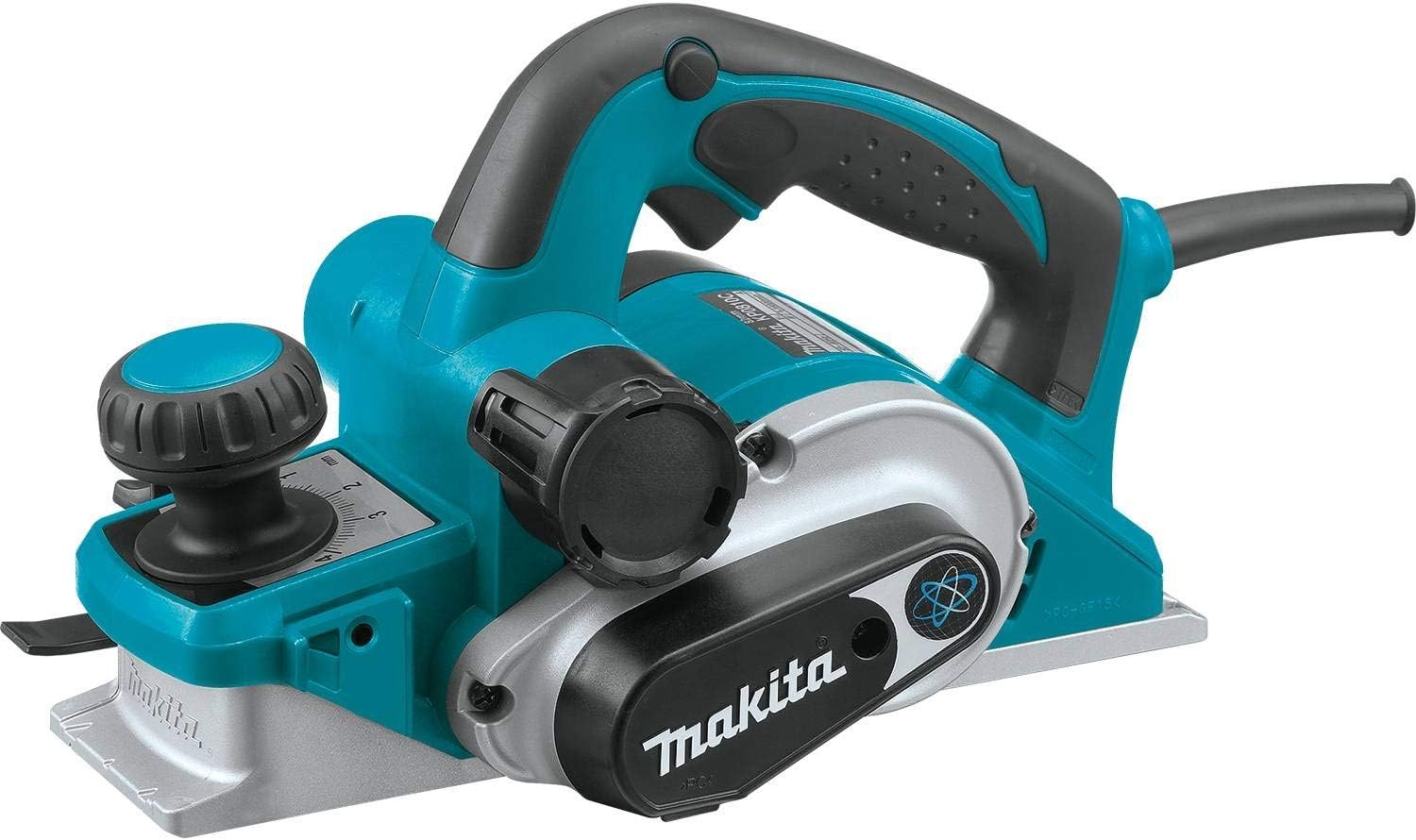
Current Price: $280
🏆Best For: professionals who value speed over finesse
- Higher material removal per pass
- Better for rough lumber and hardwoods
- More stable on wide, flat surfaces
- Best choice for frequent, heavy-duty use
- You routinely remove a lot of material
- You plane hardwoods or rough lumber
- You value speed over finesse
- You mostly work on horizontal surfaces
Choose the Makita KP0800 if:
Current Price: $199
🏆Best For: precision work and long sessions
- Lighter and easier to handle
- More forgiving depth control
- Ideal for doors, trim, and renovation work
- Lower price with excellent build quality
- You do door, trim, and edge work
- You value predictable depth control
- You work in finished or indoor spaces
- You want less fatigue and more precision
Still Unsure?
Ask yourself one question:
“Do I need power often, or precision always?”
Your answer tells you which planer fits your workflow.
Final Verdict: The Better Planer Is the One That Matches Your Work — Not the Specs
The KP0810 is not “better” — it’s stronger.
The KP0800 is not “weaker” — it’s more forgiving.
Most people don’t need maximum depth or raw power.
They need clean cuts, predictable behavior, and comfort over time.
If that sounds like you, the KP0800 will quietly outperform expectations.
If speed and heavy stock removal define your work, the KP0810 earns its price.
FAQs
1. Is the Makita KP0810 more powerful than the KP0800?
Yes. The KP0810 has a stronger motor and removes material faster, especially on hardwoods.
2. Is the KP0800 good enough for professional use?
Yes, for trim work, doors, and finish prep. It’s not ideal for heavy stock removal.
3. Which planer is easier to control for beginners?
The KP0800. Its lighter weight and gentler depth adjustment make mistakes less likely.
4. Do both planers support vacuum dust extraction?
Yes, both have side-ejection ports, but chip clogging can happen without a strong vacuum.
5. Is the KP0810 worth the extra money?
Only if you regularly need faster, deeper cuts. Otherwise, the KP0800 offers better value.
6. Do both models use the same blades?
Yes, both use standard 82mm Makita planer blades.