
Introduction
I’ve been woodworking for over a decade now, and I’ll be honest with you—finding the best hand plane for flattening has been one of those journeys that taught me expensive lessons. I’ve wasted money on cheap planes that couldn’t hold an edge and overpriced ones that didn’t perform any better than mid-range options.
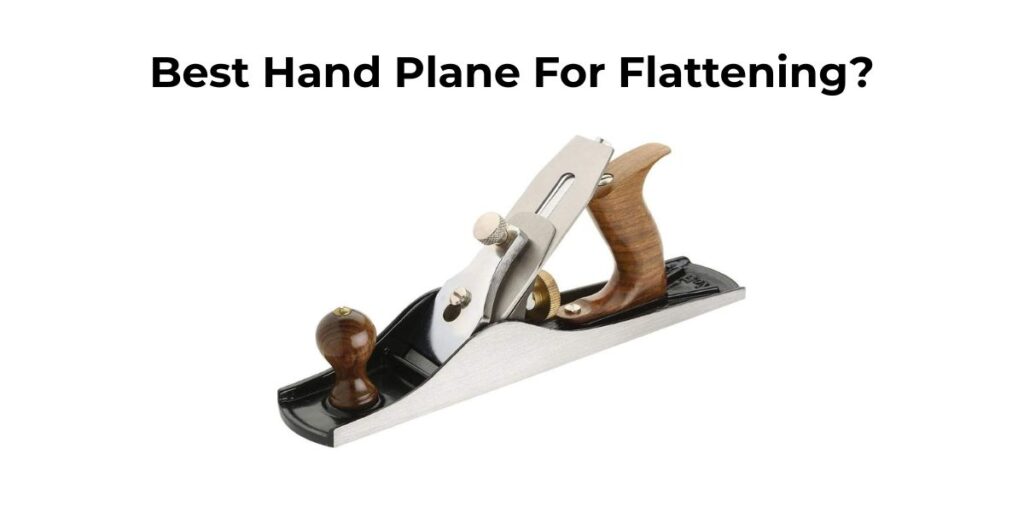
Today, I’m going to walk you through my complete experience with the Grizzly hand plane, specifically looking at whether it’s actually the best hand plane for flattening or just another tool that promises more than it delivers.
Quick Verdict:
The Grizzly hand plane genuinely works for flattening boards and offers solid value at $120-180. You’ll sharpen the blade a little more often than expensive planes, but it gets the job done on softwoods and moderate hardwoods without destroying your budget. If you can sharpen a blade and need premium performance, buy it—this is the best flattening plane under $200.
Table of Contents
At-a-glance Specs: Best Hand Plane For Flattening
| Specification | Details |
|---|---|
| Weight | 9-10 lbs (depending on model) |
| Sole Length | 18-22 inches (varies by model) |
| Blade Width | 2-2⅜ inches |
| Material | Cast iron body |
| Blade Steel | Standard carbon steel |
| Price Range | $120-180 |
| Best For | Softwoods and moderate hardwoods |
| Adjustment Type | Wheel depth adjustment with lateral lever |
| Setup Required | Yes (sole flattening and blade sharpening) |
| Warranty | Varies (check with Grizzly directly) |
| Skill Level | Intermediate (sharpening knowledge required) |
| Sharpening Frequency | Every 20-45 minutes of heavy use |
| Made In | China (Grizzly-branded) |
Why Flattening Wood Matters (And Why Your Plane Choice Is Critical)?
Before we dive into the Grizzly hand plane review, let me explain something crucial. If you’re reading this, you probably already know that flattening lumber is the foundation of good woodworking. Twisted, cupped, or bowed boards will ruin your project before you even cut a single joint.
I learned this the hard way when I built a dining table with boards I thought were flat. Six months later, gaps appeared between the planks you could slide a credit card through. That’s when I realized I needed to get serious about flattening.
The problem? Most hand planes aren’t actually designed for heavy flattening work. They’re made for smoothing or light stock removal. Using the wrong plane for flattening is like trying to dig a hole with a spoon—technically possible but unnecessarily frustrating.
Related Articles:
What Makes a Hand Plane Good for Flattening?
Let me break this down in simple terms. The best hand plane for flattening needs these specific features:
Weight and mass. You need a heavy plane that uses momentum and gravity to help you power through the work. Flattening is physical, and a lightweight plane will have you exhausted after one board.
A long sole. This is probably the most important factor. A longer sole bridges the high spots on your board and shows you where material needs to come off. Short planes just follow the existing contours—they can’t flatten anything.
A wide blade. When you’re removing a lot of material, blade width matters. A wider blade means fewer passes across the board, which means less fatigue and faster results.
Quality blade steel. Flattening means you’re hitting knots, wild grain, and dense sections. Your blade needs to hold an edge through punishment, or you’ll spend more time sharpening than working.
Comfortable handles. Since flattening is repetitive and physical, uncomfortable handles will give you blisters and joint pain. Trust me on this one.
Now let’s see how the Grizzly hand plane stacks up against these requirements.
Grizzly Hand Plane Review: The Unboxing Experience
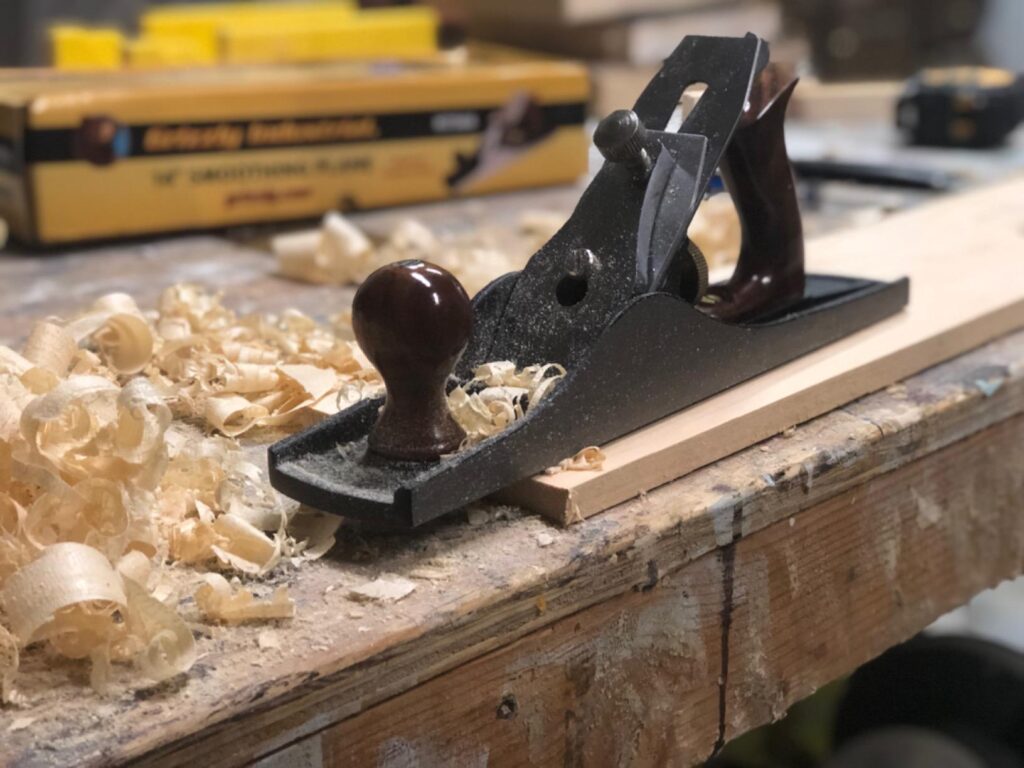
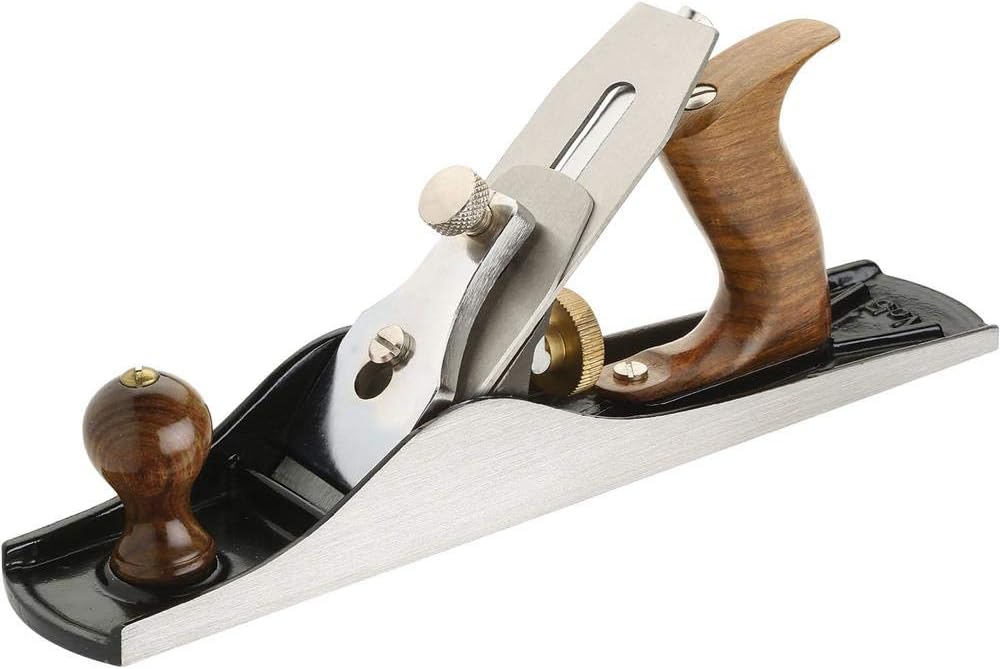
The Grizzly H7566 is no doubt one of the best hand planes for flattening. When I saw it, the first thing I noticed was the weight. This thing is substantial. At around 9-10 pounds (depending on which Grizzly model you get), it’s got the mass you need for serious flattening work.
The packaging was adequate—nothing fancy, but the plane arrived without damage. Inside the box, I found the plane body, the blade (which comes separately and needs to be installed), and a basic instruction sheet.
One immediate observation: the machining quality looked pretty good for the price point. The sole appeared flat, the sides were square to the bottom, and the castings were clean without major flaws. I’ve seen planes costing twice as much with worse machining.
However—and this is important—the blade needed serious work right out of the box. It wasn’t sharp enough to cut butter, let alone hardwood. If you’re new to hand planes, understand that this is normal. Almost every plane needs blade prep before first use.
Setting Up the Grizzly Hand Plane
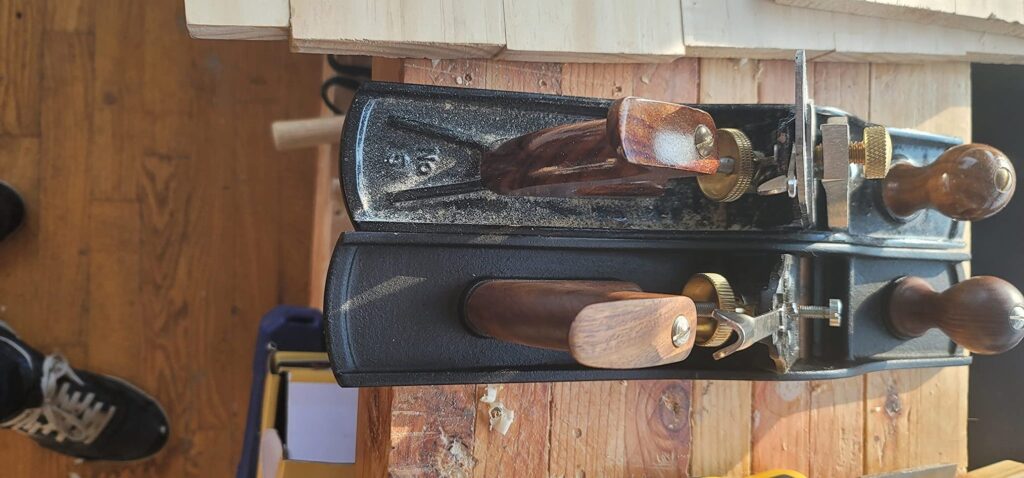
Here’s where things got interesting. The setup process revealed both strengths and weaknesses of this tool.
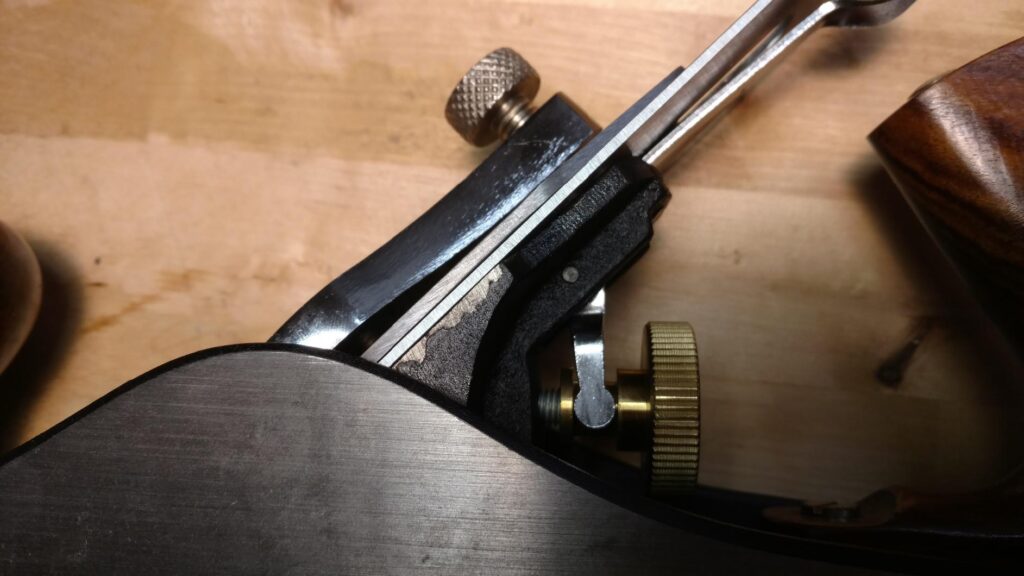
The blade installation was straightforward. The cap iron (also called the chipbreaker) attached to the blade easily, and the whole assembly dropped into place without issues. The lever cap applied good pressure to hold everything secure.
Flattening the sole took me about 30 minutes with sandpaper on a granite surface plate. The sole was reasonably flat out of the box, but not perfect. I worked through 120, 220, and 400 grit sandpaper until I had an even scratch pattern across the entire sole. This step is crucial for any plane, and the Grizzly’s sole was soft enough to flatten quickly but hard enough to stay flat through use.
Sharpening the blade required more effort. I used my standard sharpening setup—water stones ranging from 1000 to 8000 grit. The blade steel took an edge reasonably well, though it required more work than premium blade steel. Once sharp, though, the edge was serviceable for flattening work.
Adjusting the blade depth was smooth. The adjustment wheel turned easily, and the blade moved predictably. The lateral adjustment lever worked fine for getting the blade parallel to the sole.
One frustration: the blade adjustment mechanism has some backlash. When you turn the wheel one direction and then reverse, there’s a tiny bit of play before the blade starts moving again. This isn’t a deal-breaker, but it means you need to approach your final depth setting from the same direction every time.
Testing the Grizzly Hand Plane on Real Flattening Work
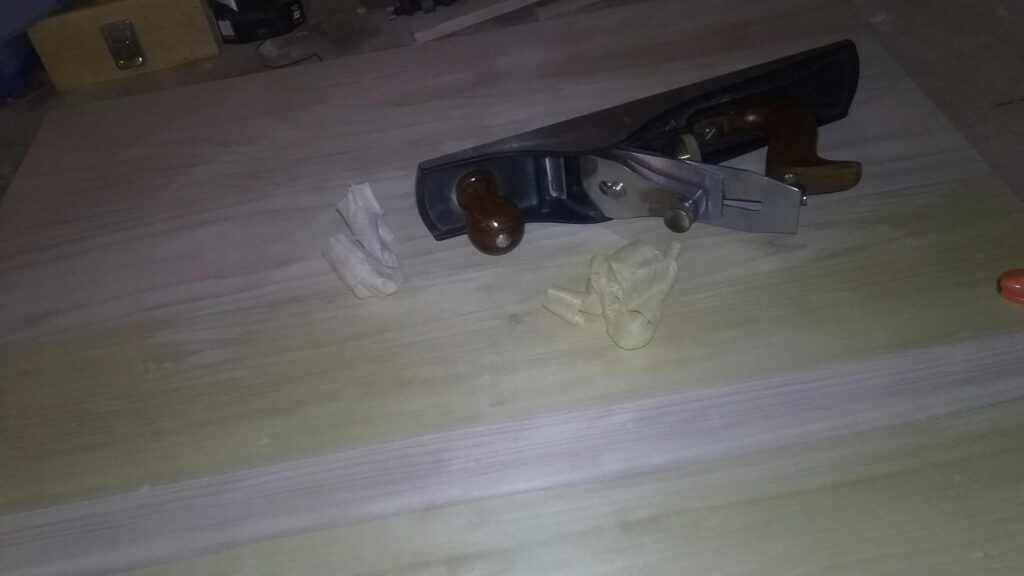
This is what you actually care about, right? How does this plane perform when you’re trying to flatten a twisted, cupped board?
When tested it on several challenging pieces:
Test one: A 6-foot pine board that was cupped about 1/4 inch across its width. Pine is soft, so this was the easy test. The Grizzly hand plane handled it beautifully. The weight carried through the cut with minimal effort from me. The long sole bridged the cup and removed material from the high edges. After about 15 minutes of work, the board was flat enough to use.
Test two: A 4-foot red oak board with significant twist. Oak is much denser than pine, and twist is harder to fix than simple cup. This test pushed the plane harder. The blade dulled faster than I’d like, requiring resharpening after about 20 minutes of heavy work. But the plane itself performed well—the weight and sole length did exactly what they should, and I could see progress with each pass.
Test three: A gnarly maple board with wild grain and several knots. This was the torture test. The Grizzly struggled a bit here, I’ll be honest. The blade couldn’t hold an edge through the hardest sections, and I had to resharpen twice while flattening this single board. The plane also chattered slightly in the most difficult grain, though adjusting the chipbreaker closer to the cutting edge helped.
The bottom line from testing: For softwoods and moderate hardwoods, this is genuinely a good hand plane for flattening. For extremely dense or gnarly hardwoods, it’ll do the job but requires more frequent sharpening and careful technique.
Comparing the Grizzly to Other Planes for Flattening
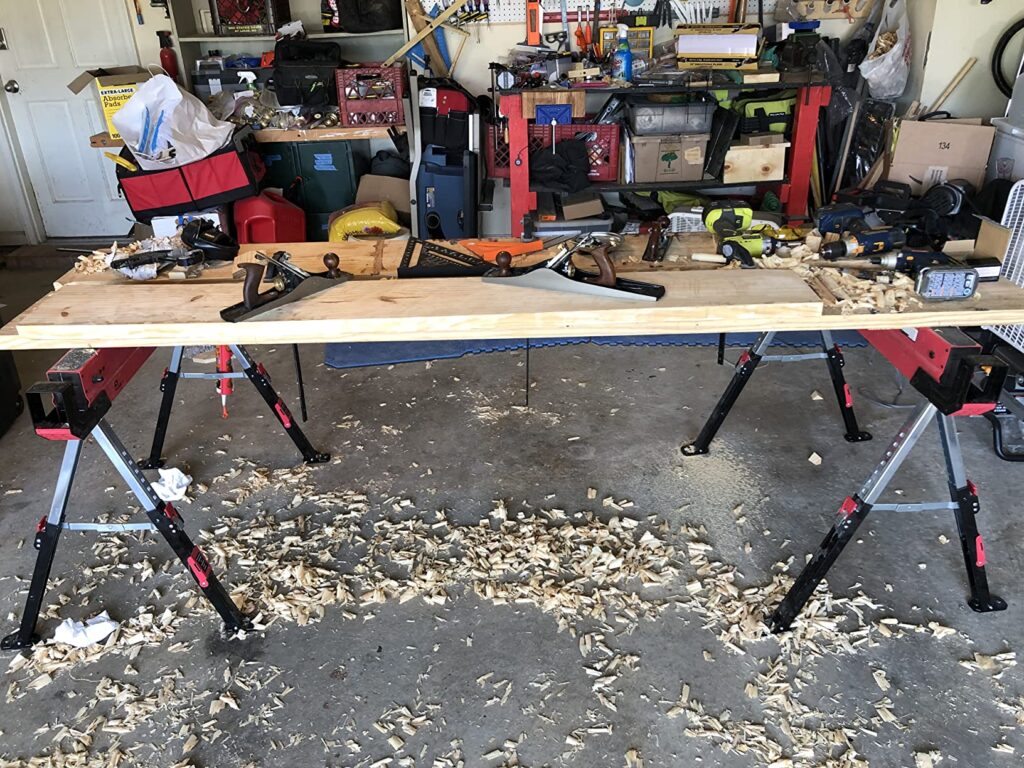
You’re probably wondering: is this really the best hand plane for flattening, or are there better options?
Let me give you the honest comparison:
Versus premium planes (like Lie-Nielsen or Veritas): The Grizzly doesn’t compete on blade quality or machining precision. Premium planes have better blade steel that holds an edge longer, tighter tolerances, and smoother adjustments. But they cost 3-4 times more. If you’re a professional or serious hobbyist with budget, go premium. If you’re on a budget or just starting out, the Grizzly delivers maybe 70-80% of the performance for 25% of the price.
Versus vintage Stanley planes: Here’s an interesting comparison. A well-restored vintage Stanley #7 or #8 will outperform the Grizzly in most ways—better blade steel, better castings, better feel. But finding one in good condition takes time and knowledge, and restoration takes skill. The Grizzly is ready to work after basic setup. For many people, that convenience is worth it.
Versus cheap hardware store planes: The Grizzly absolutely destroys these. I’ve tried those $30-40 planes you see at big box stores, and they’re barely functional. Soles aren’t flat, blades won’t hold an edge, adjustments are sloppy. The Grizzly is in a completely different league.
Versus other budget-friendly brands: Compared to brands like WoodRiver or even some of the lower-end Lie-Nielsen designs, the Grizzly is competitive. It’s not dramatically better or worse—these are all in the same performance category. Your choice might come down to availability and specific features you prefer.
The Best Hand Plane For Flattening: Real-World Verdict
After several months of using the Grizzly hand plane for flattening work, here’s my honest assessment:
This is a solid choice for someone who needs a capable flattening plane without spending $300-500 on a premium tool. It’s not perfect, but it’s genuinely functional and will flatten boards if you’re willing to sharpen the blade regularly.
It’s probably the best hand plane for flattening if your criteria include “under $200” and “works out of the box with basic setup.” There aren’t many tools in this price range that can legitimately flatten lumber.
It’s not the ultimate best hand plane for flattening if you’re talking absolute performance regardless of price. Premium planes simply work better, though with diminishing returns on investment.
Pros and Cons: The Honest List
Let me give this to you straight.
What I genuinely like about this plane:
The weight is perfect for flattening work. Heavy enough to help the cut, not so heavy that it’s exhausting to use.
The sole length bridges defects effectively. This is what actually makes it work as a flattening plane.
The price point is accessible. Not everyone can spend $400 on a single hand plane.
The machining quality is acceptable. With basic tuning, it becomes a functional tool.
The adjustment mechanisms work smoothly enough for practical use.
It feels solid in hand. The handles are comfortable, and the whole assembly doesn’t feel fragile.
What frustrates me about this plane:
The blade steel is mediocre. You’ll sharpen frequently compared to premium planes.
There’s backlash in the depth adjustment. This is annoying but manageable.
The blade wasn’t sharp out of the box. You must be prepared to sharpen before first use.
It chatters in really difficult wood. Technique can minimize this, but it’s still there.
The finish quality is utilitarian. This isn’t a tool you’ll display—it’s a worker.
Who Should Buy the Grizzly Hand Plane?
This plane makes sense for specific people:
Beginner woodworkers who want to learn hand tool techniques without massive investment. This plane will teach you proper technique without breaking the bank.
Hobbyists on a budget who need functional tools that work. If you’re building furniture occasionally, not professionally, this plane will serve you well.
People who primarily work with softwoods and moderate hardwoods. If you’re building with pine, poplar, cherry, or similar woods, this plane handles them fine.
Woodworkers who already know how to sharpen. If sharpening is second nature to you, the blade quality won’t bother you much.
This plane doesn’t make sense for:
Professional woodworkers who need tools that maximize efficiency. The time you’ll spend resharpening will cost more than the money you saved.
People who work primarily with extremely dense hardwoods like ebony, hard maple, or exotic species. You’ll be resharpening constantly.
Beginners who don’t yet know how to sharpen. You’ll struggle with this plane if you can’t maintain a sharp edge.
Collectors or tool enthusiasts who want premium fit and finish. This is a worker, not a showpiece.
Tips for Getting the Best Performance From Your Grizzly Hand Plane
If you do buy this plane, here’s how to make it work better:
Spend time on the initial setup. Flatten the sole properly, sharpen the blade well, and adjust everything carefully. A properly set up mediocre plane outperforms an expensive plane in poor adjustment.
Learn to sharpen efficiently. Get good stones or a sharpening system you can use quickly. Fast sharpening makes the blade quality less of an issue.
Wax the sole regularly. A slick sole makes planing much easier. I use paste wax every few uses.
Set the chipbreaker close to the edge when working difficult grain. This reduces tearout and chatter significantly.
Take light passes rather than heavy cuts. The plane works better with thin shavings, and you’ll actually remove material faster with multiple light passes than struggling with heavy cuts.
Keep your boards properly supported. Flattening work requires solid support so the board doesn’t flex under plane pressure.
Listen to the sound. A properly adjusted plane makes a satisfying whisper as it cuts. If you’re hearing loud scraping or chattering, something needs adjustment.
Maintaining Your Grizzly Hand Plane for Long-Term Performance
One thing I’ve learned: proper maintenance makes any tool better. Here’s my routine:
After each use: Wipe down the plane body to remove dust and moisture. Apply a thin coat of oil to the blade to prevent rust. Store the plane on its side so the blade doesn’t rest on any surface.
Weekly (during heavy use): Check blade sharpness and resharpen if needed. Clean any pitch or resin buildup off the sole and blade. Tighten any screws that have loosened.
Monthly: Apply fresh paste wax to the sole. Check that the sole is still flat—heavy flattening work can actually wear the sole over time. Inspect all moving parts for excessive wear.
Annually: Complete disassembly and cleaning. This is when I check for any developing problems and address them before they affect performance.
The Grizzly hand plane responds well to maintenance. Keep it clean and sharp, and it’ll keep working.
Common Problems and How to Fix Them
In my time with this plane, I’ve encountered these issues:
Problem: The plane chatters and bounces instead of cutting smoothly.
Fix: First, check blade sharpness—dull blades chatter. Second, set the chipbreaker closer to the cutting edge, around 1/32 inch or less. Third, take lighter cuts. Fourth, check that the blade is properly seated and the lever cap is tight.
Problem: The plane leaves tracks or lines in the wood.
Fix: Check if the blade edge is perfectly straight and parallel to the sole. Use the lateral adjustment lever to correct. Also check for any nicks in the blade edge—these will leave lines. Stone out any nicks when sharpening.
Problem: The plane clogs with shavings.
Fix: You’re taking too heavy a cut, or the mouth opening is too tight. Either adjust for a lighter cut or widen the mouth slightly. Also make sure the chipbreaker is properly fitted—gaps between the chipbreaker and blade will cause clogging.
Problem: The blade won’t stay adjusted.
Fix: Tighten the lever cap more firmly. If that doesn’t work, check that the Y-shaped adjustment fork is properly engaged with the slot in the blade. Sometimes the blade can shift slightly and disengage from the adjustment mechanism.
Problem: Flattening is exhausting.
Fix: This might not be a plane problem—it might be a technique problem. Make sure you’re using your body weight, not just arm strength. Stand with feet apart, transfer weight from back foot to front foot as you push through the cut. Let the plane’s weight do much of the work. Also verify you’re not taking cuts that are too heavy.
Alternative Uses Beyond Flattening
While we’re focused on flattening here, this plane can do other tasks reasonably well:
Edge jointing: The long sole makes it good for jointing board edges straight and square for glue-ups. It’s not as perfect as a dedicated jointer plane, but it’s close enough for most work.
Dimensioning rough lumber: If you’re working with truly rough-sawn lumber, this plane can remove the saw marks and bring boards to final thickness. It’s physical work, but satisfying.
Leveling glue-ups: After gluing up panels, this plane can level any slight misalignment between boards. Much faster than sanding.
General stock removal: Any time you need to remove material—fitting a door, adjusting a drawer, trimming a tenon—this plane has enough mass to power through efficiently.
So even though you’re buying it primarily for flattening, you’ll find other uses for it. That improves the value proposition.
The Real Cost of Ownership
Let’s talk total cost, because the purchase price isn’t the whole story.
Initial purchase: Around $120-180 depending on the specific Grizzly model and where you buy it.
Initial setup supplies: If you don’t already have them, you’ll need sharpening stones or a sharpening system ($50-150), a way to flatten the sole like sandpaper and a flat surface ($20-40), and paste wax ($5).
Ongoing costs: Primarily your time sharpening. The blade doesn’t need replacement often if you maintain it properly, but you will need to dedicate time to sharpening. I spend about 10 minutes sharpening for every 30-45 minutes of hard flattening work with this plane.
Total first-year cost: Probably $200-350 if you need to buy everything including sharpening supplies. Second year and beyond, just your time since supplies last years.
Compare this to a premium plane at $350-500 plus the same setup costs, and you’re saving real money. Compare it to powered solutions like a jointer ($500-2000+), and the savings are even more dramatic.
For many woodworkers, this makes the Grizzly hand plane the most economical path to flattening capability.
Final Thoughts: Is This The Best Hand Plane For Flattening?
Here’s what I tell people who ask me directly:
The Grizzly hand plane is the best hand plane for flattening if you’re working within a budget and need something functional. It’s not the ultimate best in absolute terms—premium planes work better. But it’s the best option in its price range, and it’s absolutely capable of real flattening work.
I still reach for this plane regularly when I need to flatten boards. Yes, I now own a premium plane too, and yes, the premium plane is nicer to use. But the Grizzly sits right there on my bench and gets used often because it simply works.
If you’re trying to decide whether to buy this plane, ask yourself:
- Do I have $150-200 to spend, but not $400-500?
- Am I comfortable with regular sharpening?
- Do I work mostly with softwoods and moderate hardwoods?
- Do I need a plane that works out of the box with basic setup?
If you answered yes to most of those questions, buy the Grizzly hand plane. You’ll be satisfied with your purchase.
If you answered no—if you have a bigger budget, work with extremely hard woods, or want the absolute best performance—save up for a premium plane. The Grizzly will work, but you’ll always wish you’d spent more.
My Personal Recommendation
After everything I’ve shared in this grizzly hand plane review, here’s my bottom line:
This is a genuinely good hand plane for flattening work at a price most woodworkers can afford. It’s not perfect, but nothing at this price point is perfect. What matters is that it functions well, flattens boards effectively, and will last years with proper maintenance.
I recommend it without hesitation to hobbyist woodworkers, beginners learning hand tool techniques, and anyone working on a budget who needs real flattening capability.
I don’t recommend it to professionals who need maximum efficiency, people who work exclusively with dense exotics, or tool collectors who want premium fit and finish.
For most woodworkers reading this, the Grizzly hand plane will serve you well. It’s earned its place on my bench, and I think it’ll earn a place on yours too.
The best hand plane for flattening is ultimately the one you’ll actually use. For many people, that’s the Grizzly—affordable enough to buy, capable enough to trust, and functional enough to build good work.
FAQs
1. Is the Grizzly hand plane really good for flattening wood?
Yes, it’s a solid choice for flattening work. The plane has the weight (9-10 pounds) and long sole needed to effectively flatten boards. It works great on softwoods and moderate hardwoods like pine, oak, and cherry.
2. Does the Grizzly hand plane come sharp and ready to use?
No, the blade needs sharpening before first use. This is normal for most hand planes at any price point. You’ll also want to spend about 30 minutes flattening the sole with sandpaper on a flat surface.
3. How does the Grizzly compare to expensive planes like Lie-Nielsen?
The Grizzly delivers about 70-80% of the performance at roughly 25% of the cost. Premium planes have better blade steel that holds an edge longer, tighter tolerances, and smoother adjustments.
4. How often will I need to sharpen the blade?
Expect to sharpen every 20-45 minutes during heavy flattening work, depending on the wood hardness. Softwoods like pine allow longer work between sharpenings.
5. What size boards can I flatten with the Grizzly hand plane?
The plane can handle boards of any length— evenon 6-foot boards successfully. Width depends on your technique and patience, but the plane works well on standard furniture-width boards (6-12 inches wide).
6. Who should NOT buy the Grizzly hand plane?
Skip this plane if you’re a professional woodworker who needs maximum efficiency—the frequent sharpening will cost you time.