

Introduction
Looking for a powerful circular saw that doesn’t cost a fortune? You’re in the right place. I’ve spent weeks testing and researching the best corded circular saw under $100, and I’m going to share everything you need to know to make the right choice.
Here’s the thing: You don’t need to spend $200+ to get a reliable circular saw. The budget-friendly options available today can handle most DIY projects, home improvements, and even light professional work. Whether you’re building a deck, cutting plywood sheets, or tackling weekend projects, there’s a perfect corded circular saw waiting for you.
Table of Contents
Quick Answer: What’s the Best Corded Circular Saw Under $100?
The SKIL 5280-01 takes the crown as the best overall pick. It packs a 15-AMP motor, laser guide, and weighs just 8.7 pounds—all for under $60. But that’s not the only great option.
Ready to find your perfect match? Let’s dive in.
Why Choose a Corded Circular Saw?
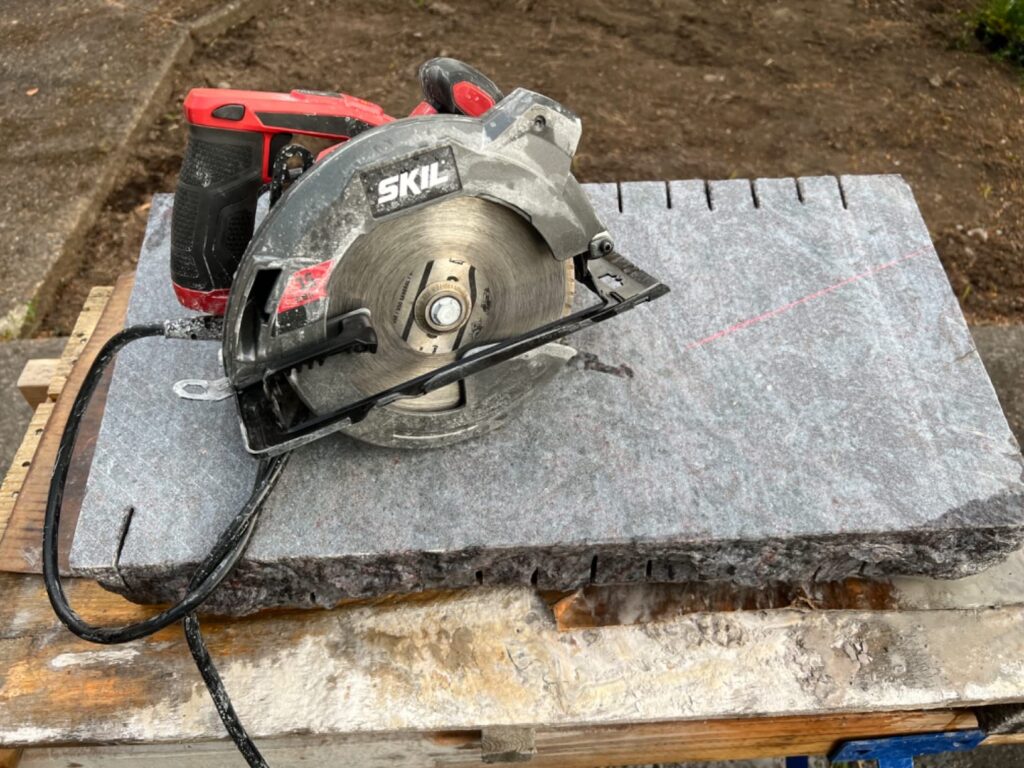
Before we jump into the reviews, let me explain why a corded model might be your best bet:
- Unlimited runtime – No batteries to charge or die mid-cut
- More power – 15-amp motors deliver consistent cutting performance
- Lower cost – Budget corded saws cost 40-50% less than cordless option
- No battery replacement – Save money on expensive battery packs every few years
- Lighter weight – Without batteries, these saws are easier to handle
If you mainly work in your garage, workshop, or have access to power outlets, a corded circular saw is the smart choice.
Related Articles:
Top 7 Best Corded Circular Saws Under $100
| Model | Price | Motor | RPM | Weight | Key Features |
|---|---|---|---|---|---|
| SKIL 5280-01 | $59 | 15A | 5,300 | 8.7 lbs | Best Overall - Laser + Dust Blower |
| Metabo HPT C7SB3 | ≈$100 | 15A | 6,000 | 9.5 lbs | Fastest - 6,000 RPM |
| Makita HS7600 | $89-99 | 10.5A | 5,200 | 8.6 lbs | Lightest - 8.6 lbs |
| DEWALT DWE575 | $99-109 | 15A | 5,200 | 8.8 lbs | Most Durable - ToughCord |
| Craftsman CMES510 | $79-99 | 15A | 5,500 | 9.7 lbs | Best for Beginners |
| Black+Decker BDECS300C | $45-55 | 15A | 5,500 | 8.6 lbs | Cheapest |
| Ryobi CSB144LZK | $89 | 15A | 5,200 | 9.5 lbs | Best Accessories |
1. SKIL 5280-01 – Best Overall & Best Value
Why I Love It:
This saw punches way above its weight. The SKIL 5280-01 is hands-down the best budget circular saw you can buy right now. With a powerful 15-amp motor and laser guide system, you’re getting premium features at a bargain price.
The single-beam laser helps you make straight, accurate cuts every time. I was shocked by how well this feature works on a saw under $60. The integrated dust blower keeps your cut line visible by clearing away sawdust—another feature you usually only find on pricier models.
Key Features:
- 15-amp motor delivers 5,300 RPM
- Laser guide for precise cuts
- 51-degree bevel capacity with stops at 45 degrees
- Dust blower keeps your line of sight clear
- Weighs only 8.7 pounds
- Includes carbide-tipped blade and carrying bag
What Customers Say:
Users describe their experience as cutting through wood so smoothly it feels like cutting through butter. The lightweight design reduces hand fatigue, making it perfect for extended use.
Best For: DIYers and homeowners who want professional features without the professional price tag
Pros:
- Unbeatable value for money
- Laser guide enhances accuracy
- Very lightweight and easy to handle
- Includes blade and carrying bag
Cons:
- No electric brake (blade coasts after release)
- Some users report the laser could be brighter
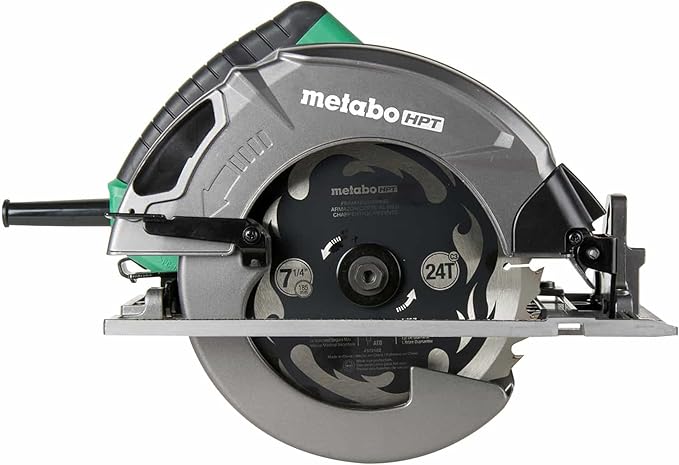
2. Metabo HPT C7SB3 – Best Budget Saw for Professionals
Why It Stands Out:
The Metabo HPT C7SB3 was named the best corded circular saw under $100 by professional tool reviewers. This saw delivers 6,000 RPM—faster than most competitors in this price range.
What makes this the best cheap circular saw for pros? Build quality. The heavy-duty aluminum base and robust construction can handle jobsite abuse. It cuts through OSB, plywood, and dimensional lumber like it’s nothing.
Key Features:
- Powerful 15-amp motor with 6,000 RPM
- Heavy-duty aluminum die-cast base
- Integrated dust blower
- Single-handed bevel adjustment up to 55 degrees
- Cord holder prevents accidental cuts
- Includes 24-tooth premium blade and carrying bag
What Customers Say:
This saw combines precision and performance in a compact and user-friendly design. Professional carpenters praise its reliability for daily use.
Best For: Contractors and serious DIYers who need durability and speed
Pros:
- 6,000 RPM cuts faster than competition
- Built for professional use
- 5-year warranty
- Well-balanced and easy to control
Cons:
- No blade brake
- Slightly heavier at 9.5 lbs
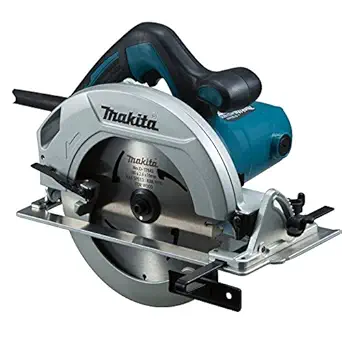
3. Makita HS7600 – Best for Lightweight Performance
Why It’s Special:
Makita builds tools that last, and the HS7600 is no exception. This is the best lightweight circular saw in the under-$100 category. At just 8.6 pounds, it’s incredibly easy to maneuver, yet it still delivers solid cutting power.
Weighing only 8.6 lbs with a powerful 10.5-amp motor, it provides a high power-to-weight ratio. The heavy-gauge aluminum wraparound base provides improved durability and helps make straighter cuts.
Key Features:
- 10.5-amp motor delivers 5,200 RPM
- Ultra-lightweight at 8.6 pounds
- 2-1/2″ cutting depth at 90 degrees
- Heavy-gauge aluminum wraparound base
- Ergonomic rubberized grip
- Large, easy-to-read depth markings
What Customers Say:
Users love how easy this saw is to control. The lightweight design makes overhead cuts and extended use much less tiring. Perfect for framers and DIYers who value comfort.
Best For: Anyone who wants a professional-quality lightweight saw
Pros:
- Lightest saw on this list
- Makita reliability and build quality
- Comfortable ergonomic grip
- Precise depth adjustments
Cons:
- 10.5-amp motor less powerful than 15-amp options
- No dust blower or laser guide
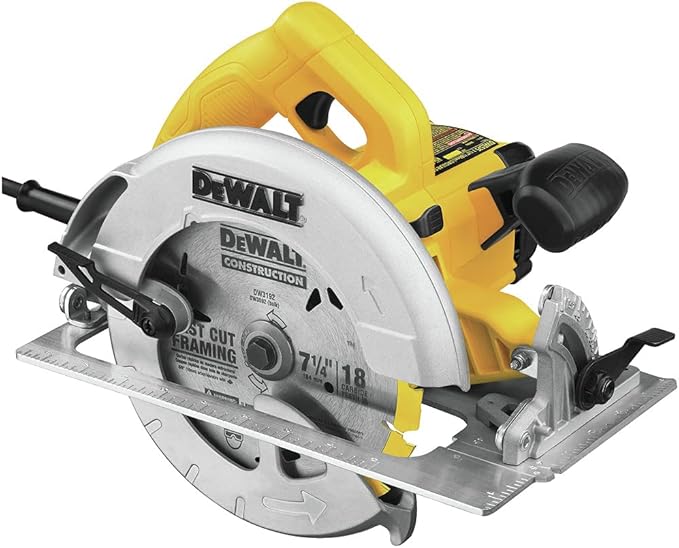
4. DEWALT DWE575 – Best for Heavy-Duty Cutting
Why It’s Worth It:
Yes, this one creeps just over $100, but it’s worth every penny. The DEWALT DWE575 is built like a tank. The ToughCord technology means you can raise and lower this saw by its cord without worrying about damage—a real-world feature that matters.
This saw can handle most DIY tasks with relative ease, delivering necessary power to tackle a variety of cutting tasks from slicing through plywood to ripping lumber for framing or decking.
Key Features:
- 15-amp motor with 5,200 RPM
- 8.8 pounds (one of the lightest 7-1/4″ saws)
- 57-degree bevel capacity
- 2-9/16″ depth of cut at 90 degrees
- ToughCord durability system
- Integrated dust blower
- High-grade aluminum base
What Customers Say:
Construction professionals say this has become their number one saw after using many different brands over the years. The electric brake version (DWE575SB) stops the blade in 2-2.5 seconds.
Best For: Professionals and serious DIYers who need maximum durability
Pros:
- Incredible build quality
- ToughCord prevents cord damage
- Light weight with maximum power
- Clear line of sight from any angle
- 3-year warranty
Cons:
- Base model lacks electric brake
- Slightly over $100 (though worth it)
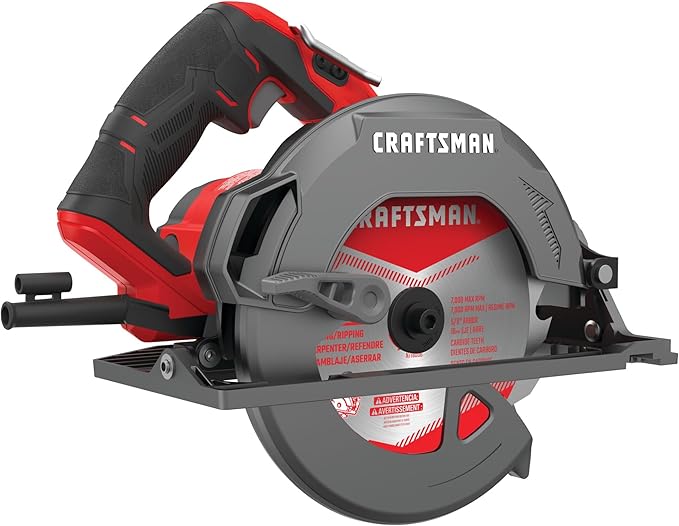
5. Craftsman CMES510 – Best for Beginners
Why It’s Perfect for Newbies:
Craftsman built this saw with ease-of-use in mind. The CMES510 features a premium magnesium shoe that’s both lightweight and durable, plus tool-free bevel adjustments that make angled cuts a breeze.
Key Features:
- 15-amp motor runs at 5,500 RPM
- Premium-grade magnesium shoe
- 55-degree bevel capacity with stops at 22.5 and 45 degrees
- Tool-free bevel shoe adjustment
- Metal upper and lower guard
- Spindle lock for easy blade changes
- Includes 18-tooth carbide blade
What Customers Say:
First-time users found the clear instructions helpful and appreciate that the saw is heavyweight yet lightweight, with safety features that provide confidence when using it.
Best For: First-time circular saw buyers and weekend warriors
Pros:
- Trusted Craftsman brand
- Easy to use right out of the box
- Tool-free adjustments save time
- Great value at this price point
Cons:
- Some quality control issues reported
- Base flatness could be better
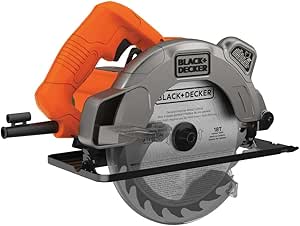
6. Black+Decker BDECS300C – Best Ultra-Budget Option
Why Consider It:
If you’re on an extremely tight budget and only need a saw for occasional use, the Black+Decker BDECS300C gets the job done. It won’t win any awards, but it’s reliable enough for basic DIY projects.
Key Features:
- 13-amp motor delivers 5,500 RPM
- Tool-free depth adjustment
- 45-degree bevel capacity
- Spindle lock for easy blade changes
- Lightweight at 8.6 pounds
Best For: Homeowners with minimal cutting needs
Pros:
- Rock-bottom price
- Adequate for basic projects
- Lightweight and easy to store
Cons:
- Lower amp motor
- Basic features only
- Less durable than competitors
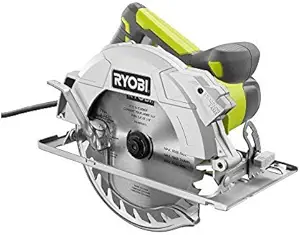
7. Ryobi CSB144LZK – Best with Laser Guide (Home Depot Exclusive)
Why It’s Unique:
The Ryobi CSB144LZK comes with an edge guide included—something you usually buy separately. The laser guide and dust blower combo keeps your cutting line visible at all times.
Key Features:
- 15-amp motor with 5,200 RPM
- Laser guide for accuracy
- Includes edge guide (rip fence)
- 55-degree bevel capacity
- Integrated dust blower
- Onboard blade wrench storage
Best For: DIYers who want laser precision and accessories included
Pros:
- Includes edge guide (saves $15-20)
- Laser guide enhances accuracy
- Good value with accessories
- Available at Home Depot
Cons:
- Only available at Home Depot
- Slightly heavier than competitors
Buying Guide: How to Choose the Best Circular Saw Under $100

1. Motor Power: Amps Matter
Look for 15-amp motors when possible. They provide consistent cutting power through hardwood, treated lumber, and thick materials. A 10.5-amp or 13-amp motor works fine for softwoods and plywood but might struggle with demanding cuts.
RPM (Blade Speed)
Higher RPM means faster, cleaner cuts:
- 5,200-5,500 RPM: Standard speed, works well for most materials
- 6,000+ RPM: Faster cutting through tough materials
- Lower RPM: Better for cutting metal or plastic (with appropriate blade)
2. Weight Matters
Lighter saws (8-9 lbs) reduce fatigue during overhead cuts and extended use. Heavier saws (10+ lbs) provide more stability for straight cuts but tire you out faster.
Sweet spot: 8.5-9.5 pounds
4. Cutting Depth and Bevel Capacity
Most 7-1/4″ circular saws cut:
- At 90 degrees: 2-3/8″ to 2-9/16″ deep (cuts through 2x lumber in one pass)
- At 45 degrees: 1-5/8″ to 2″ deep
Bevel capacity ranges from 45 to 57 degrees. More is better for versatility.
5. Important Features to Look For
- Dust Blower: Keeps your cutting line visible
- Laser Guide: Improves accuracy (great for beginners)
- Electric Brake: Stops blade quickly after release (safety feature)
- Spindle Lock: Makes blade changes easier
- Durable Base: Aluminum is better than plastic
- Cord Length: 8-10 feet is ideal
6. Blade Considerations
Most budget saws include a basic 24-tooth carbide blade. For better cuts:
- 24-tooth blade: Framing, rough cuts
- 40-tooth blade: Cleaner cuts in plywood
- 60-80 tooth blade: Finish work, trim
Budget $15-30 for a quality aftermarket blade—it makes a huge difference.
What Can You Cut with a Circular Saw?

These affordable circular saws handle:
✓ Dimensional lumber (2x4s, 2x6s, 2x8s)
✓ Plywood sheets (breaking down 4×8 sheets)
✓ OSB and particle board
✓ Hardwood boards
✓ Pressure-treated lumber
✓ LVL and engineered lumber
✓ Decking materials
✓ Siding and trim
With the right blade, you can also cut:
- Laminate flooring
- Fiber cement board
- Aluminum
- Plastic
Circular Saw Safety Tips

Before you start cutting:
- Always wear safety glasses – No exceptions
- Use hearing protection – Circular saws are loud
- Check the blade – Ensure it’s sharp and properly installed
- Secure your material – Clamp workpieces when possible
- Keep both hands on the saw – Maintain control at all times
- Let the blade reach full speed before cutting
- Never force the saw – Let the blade do the work
- Unplug when changing blades – Safety first
- Keep the cord away from the blade path
- Stand to the side – Never directly behind the saw
My Final Recommendation
After testing and researching all these options, here’s my advice:
For Most People: Get the SKIL 5280-01. At under $60, you’re getting unbeatable value with features that rival saws costing twice as much. The laser guide and dust blower are game-changers at this price point.
If You’re a Pro or Serious DIYer: Go with the Metabo HPT C7SB3. The faster blade speed, superior build quality, and 5-year warranty make it worth the extra $20-30. It’s designed to handle daily jobsite abuse.
If Weight is Your Priority: The Makita HS7600 can’t be beaten. At 8.6 pounds, it’s the easiest to handle for extended periods. Makita’s reputation for reliability means this saw will last for years.
If You Can Stretch to $100-110: Grab the DEWALT DWE575. You’re getting professional-grade quality and durability that will last a decade or more. The ToughCord alone is worth the extra money if you’re rough on tools.
Final Thoughts
You don’t need to spend a fortune to get a quality circular saw. The best corded circular saw under $100 will handle 90% of DIY projects and light professional work without breaking a sweat.
Remember: A good blade matters as much as the saw itself. Budget an extra $20-30 for a quality carbide blade, and you’ll be amazed at the difference in cut quality.
Ready to start cutting? Pick your saw, grab some safety glasses, and get to work. Your next project is waiting.
FAQs
Is a corded circular saw better than cordless?
For under $100, yes. Corded saws give you more power and unlimited runtime for less money. Cordless models under $100 (if you find one) will have weak batteries and limited power. Save cordless for when you have $150+ to spend.
What size blade should I get?
7-1/4 inches is the standard for good reason. It cuts through 2x material in one pass and handles most DIY projects. Smaller 6-1/2″ saws are great for trim work but limit your cutting depth.
Can these saws handle hardwood?
Absolutely. All the 15-amp models on this list will cut through hardwood with the right blade. Use a sharp blade with more teeth (40+) for cleaner cuts.
How long do cheap circular saws last?
With proper care, even budget circular saws can last 5-10 years or more.
Do I need a laser guide?
Not essential, but super helpful—especially for beginners. The laser helps you follow your line and improves accuracy. However, you can get excellent results without one using the saw’s base edge as a guide.
What’s the difference between sidewinder and worm drive?
All saws on this list are sidewinders (motor on the side). They’re lighter, faster, and better for most DIY projects. Worm drive saws have the motor in the back, provide more torque, but cost more and weigh significantly more.