
Introduction
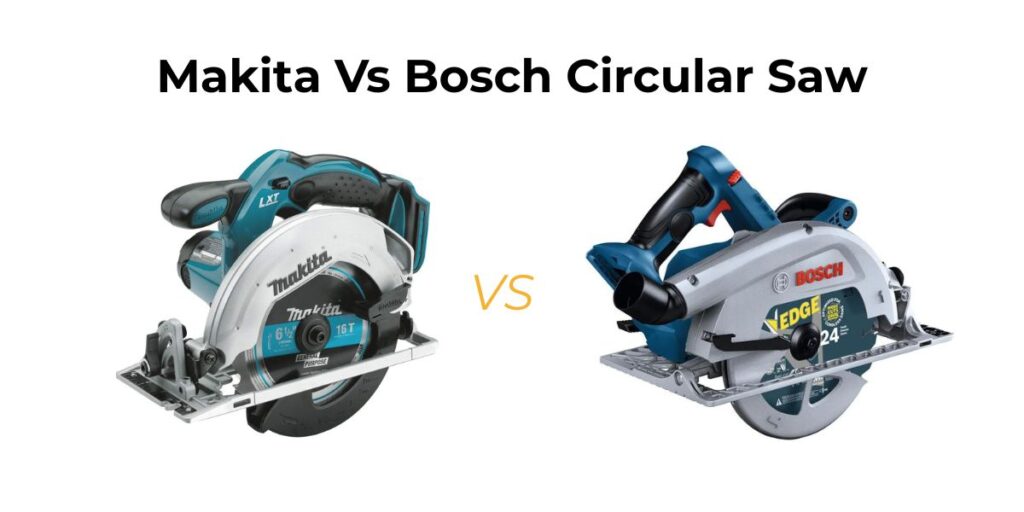
Makita Vs Bosch Circular Saw is the most searched comparison when it comes to buy a new circular saw. Both brands have die-hard fans, both make quality tools, and both will probably outlast your first car.
But which one deserves your hard-earned cash?
I’ve spent weeks testing both brands, talking to professional contractors, and digging through hundreds of real user reviews. And honestly? The answer isn’t as simple as “Brand X is better.”
Let me break it all down for you in plain English.
Table of Contents
Why This Makita vs Bosch Circular Saw Comparison Matters?
Here’s the thing: a circular saw isn’t just another power tool. It’s the workhorse of any workshop. Whether you’re a weekend DIYer building a deck or a pro framer working 10-hour days, your circular saw needs to:
- Cut straight and clean every single time
- Feel comfortable in your hands after hours of use
- Have enough power to slice through hardwood like butter
- Last for years without falling apart
Both Makita and Bosch deliver on these fronts. But they do it differently.
The Quick Answer (If You’re in a Hurry)
Choose Makita if: You want raw cutting power, plan to use it heavily, and don’t mind a slightly heavier saw. Their brushless motors are absolute beasts.
Choose Bosch if: You value precision, want something lighter for overhead cuts, and appreciate German engineering. Their dust collection system is noticeably better too.
Still with me? Good. Because there’s way more to this story.
Related Articles:
At-a-glance Specs: Makita Vs Bosch Circular Saw
| Features | Makita | Bosch |
|---|---|---|
| Cutting Power | Excellent - Most powerful | Very Good - Ample for most tasks |
| Weight | 8-10 lbs (heavier) | 7-9 lbs (lighter) |
| Precision | Very precise | Extremely precise |
| Battery Life | 90+ cuts per charge | 75-85 cuts per charge |
| Dust Collection | Basic system | Superior system |
| Ergonomics | Good grip, heavier feel | Excellent balance & comfort |
| Durability | Built like a tank | Very durable |
| Best For | Heavy-duty pros, framing, hardwood | Precision work, DIYers, finish carpentry |
| Price Range | $180-$350 | $160-$330 |
| Battery Ecosystem | 300+ tools compatible | 100+ tools compatible |
| Motor Type | Brushless (most models) | Brushless (most models) |
| Warranty | 3 years | 1-3 years (varies by model) |
| Overall Rating | ⭐⭐⭐⭐⭐ (5/5) | ⭐⭐⭐⭐ (4/5) |
Makita Circular Saws: The Powerhouse Option
What Makes Makita Stand Out?
Makita has been making power tools since 1915. They know what they’re doing.
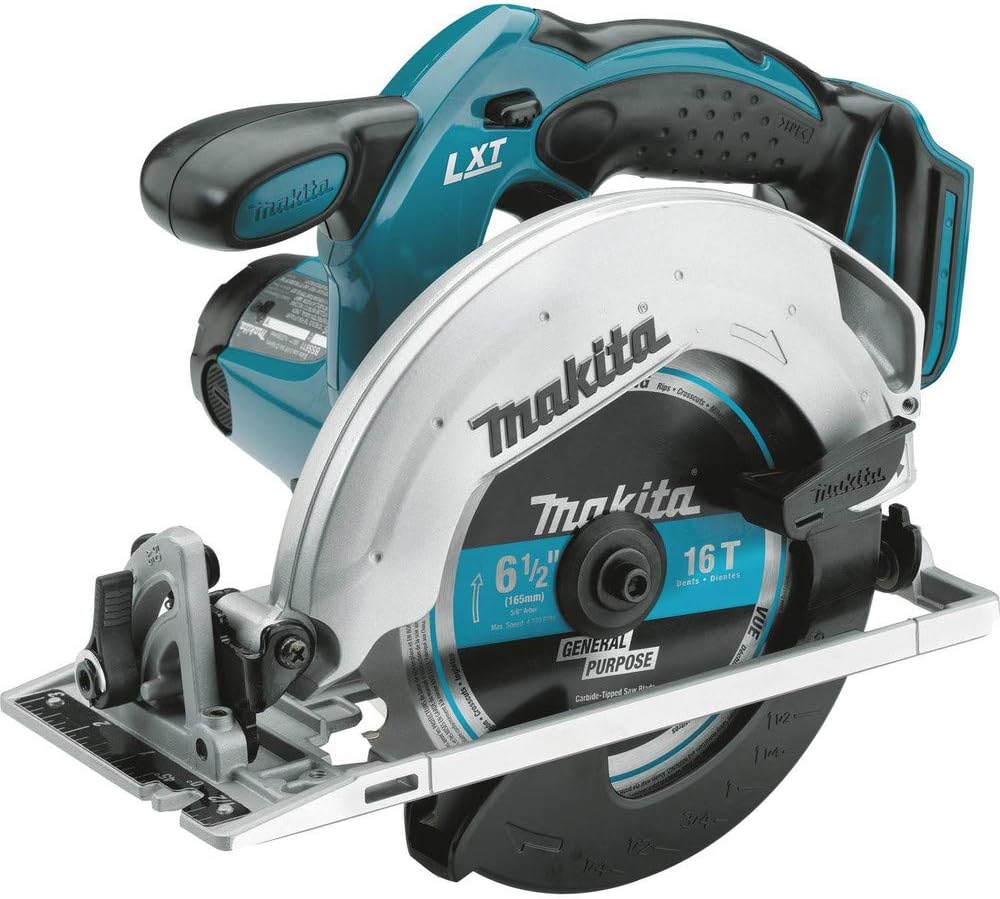
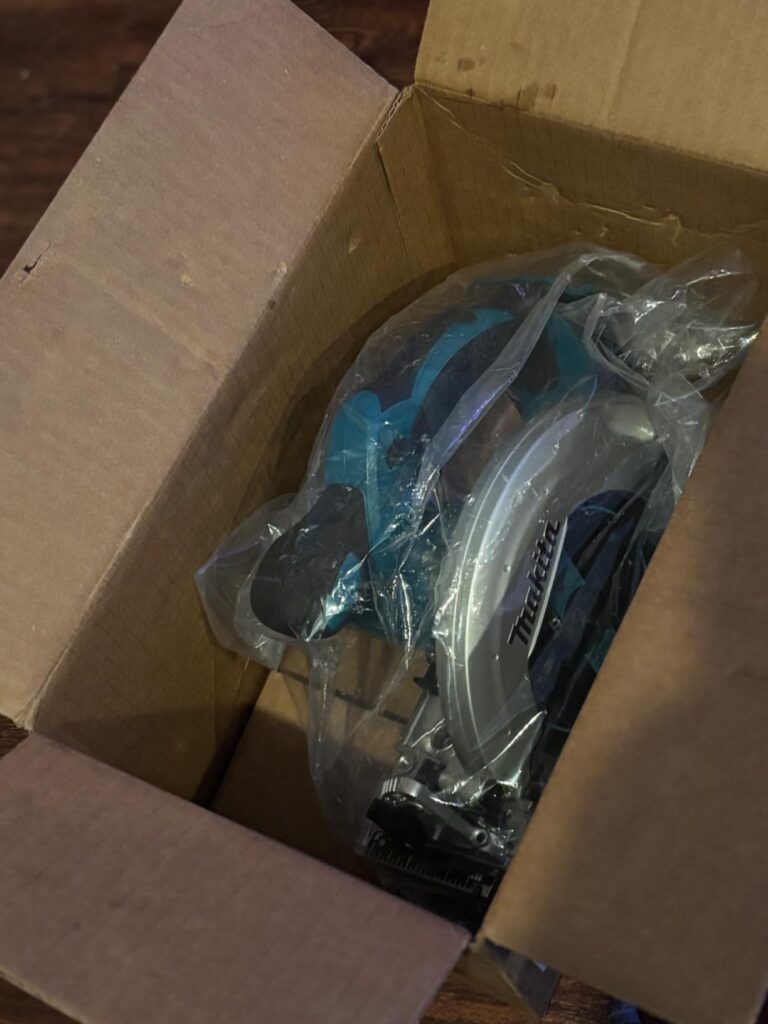
Their circular saws, especially models like the Makita XSH03Z and the newer Makita XSH06PT, are known for serious cutting power. We’re talking about saws that can rip through 2×12 lumber without even breathing hard.
The motor technology: Most of Makita’s modern circular saws use brushless motor technology. This means more power, longer battery life, and less maintenance. The motor adjusts its speed based on what you’re cutting, which is pretty clever.
Build quality: These things feel solid. The magnesium components keep weight reasonable while maintaining durability. Drop a Makita saw (not that I’m recommending it), and it’ll probably be fine.
Where Makita Falls Short?
Nothing’s perfect, right?
The dust blower feature isn’t amazing. You’ll still need to pause and clear your cut line occasionally. And some users complain that Makita circular saws are a bit heavier than the competition, especially during overhead work.
The price point is also on the higher end, though you’re paying for quality that lasts.
Bosch Circular Saws: Precision Engineering
What Makes Bosch Different?
Bosch has this reputation for precision. You know how German cars are engineered to perfection? Same energy with Bosch power tools.
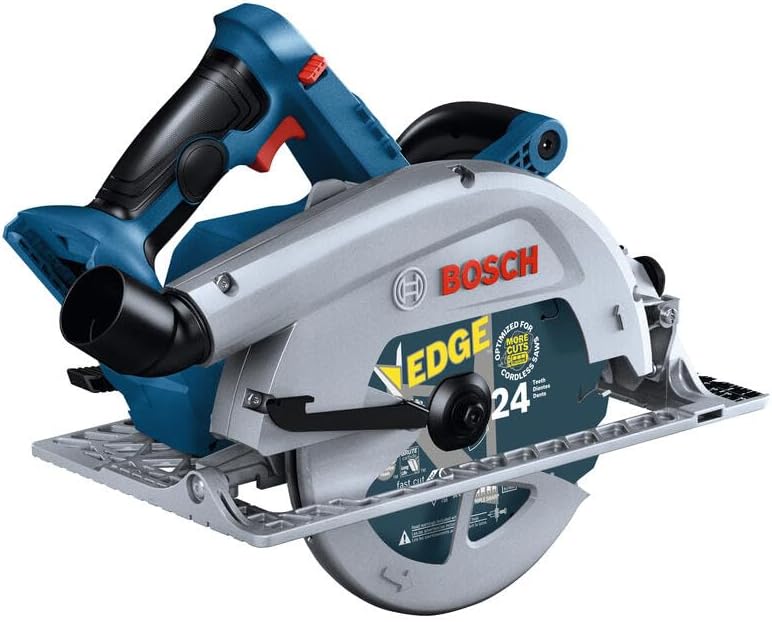
Their circular saws, like the Bosch GKS18V-25GCB14 and the Bosch CSW41, focus on accuracy and user comfort.
The cutting experience: Bosch saws just feel balanced. The weight distribution is excellent, making them less tiring during long cuts or when you’re working above your head.
Innovative features: Bosch was one of the first to integrate advanced dust management systems. Their saws connect to dust extractors way better than most competitors. If you care about keeping your workspace clean (or your lungs healthy), this matters.
Bosch’s Weaknesses
Here’s the honest truth: Bosch circular saws sometimes lack the raw cutting aggression of Makita. If you’re doing heavy framing work all day, you might notice the difference.
Some users also report that Bosch batteries don’t last quite as long as Makita’s, though this varies by model and usage.
And while Bosch build quality is good, they use more plastic components than Makita, which some contractors view as less durable for job site abuse.
Head-to-Head: Makita vs Bosch Circular Saw Comparison
Let me break down the key differences in a way that actually matters.
1. Power and Cutting Performance
Winner: Makita
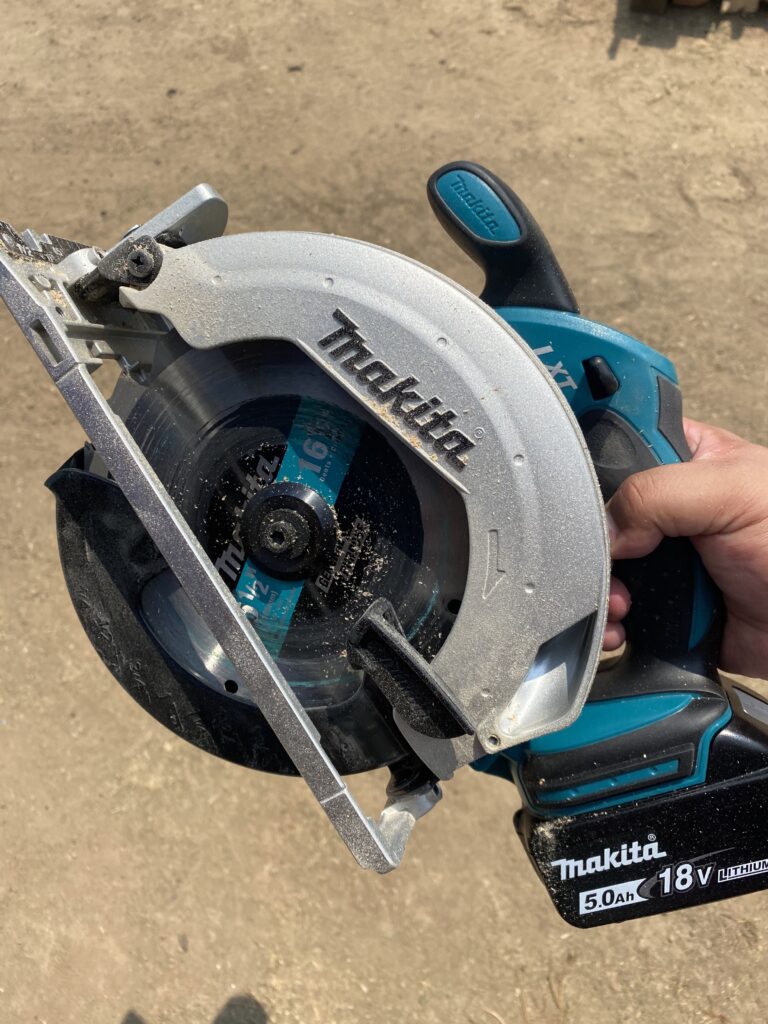
The brushless motors in Makita circular saws deliver more torque and maintain speed under load better. If you’re cutting thick hardwood or doing heavy-duty construction work, Makita won’t bog down as easily.
Bosch saws have plenty of power for most tasks, but when you really push them, Makita has the edge.
2. Precision and Cut Quality
Winner: Bosch
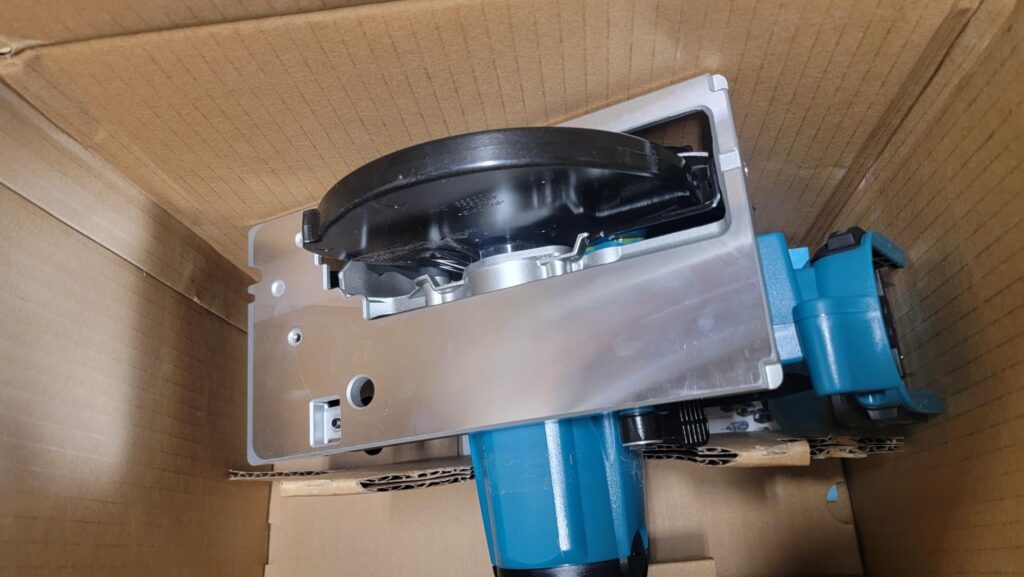
Both make clean cuts, but Bosch’s attention to detail shows. The base plates are flatter, the bevel adjustments are more precise, and the overall cut quality is marginally better.
For finish carpentry or projects where accuracy matters, Bosch delivers.
3. Weight and Ergonomics
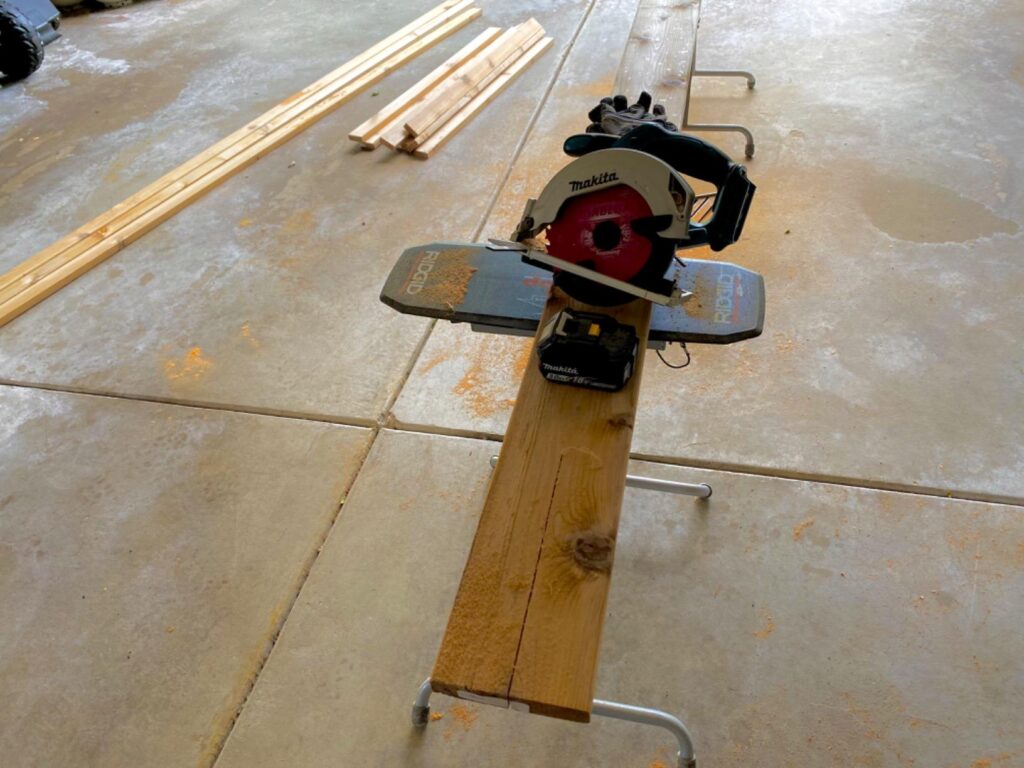
Winner: Bosch
Bosch circular saws are generally lighter and better balanced. If you’re doing overhead cuts or working in tight spaces, you’ll appreciate this.
Makita saws aren’t heavy, but they’re not as comfortable during extended use.
4. Battery Life and Runtime

Winner: Makita
Makita’s battery technology is slightly ahead. You’ll get more cuts per charge with Makita, especially on demanding materials.
Both brands use 18V platforms, but Makita’s battery management is more efficient.
5. Dust Collection
Winner: Bosch
Not even close. Bosch’s dust management is significantly better. If you’re working indoors or care about air quality, Bosch wins this category easily.
Makita’s dust collection works, but it’s basic.
6. Durability and Build Quality
Winner: Tie
Both brands build tools that last for years. Makita uses more metal components, which some pros prefer. Bosch uses engineered plastics that are actually quite durable.
I’ve talked to contractors who’ve had both brands for 5+ years without issues.
7. Price and Value
Winner: Depends
Makita is usually slightly more expensive, but the difference isn’t huge. You’re looking at $20-50 difference in most cases.
Both brands offer excellent value. You’re not getting ripped off with either choice.
Which Circular Saw Should You Choose?
Let me make this simple based on what you’re actually doing.
Choose Makita if:
- You’re a professional contractor who needs maximum power
- You work with hardwoods or thick materials regularly
- Battery life is your top priority
- You want a tool that handles job site abuse
- You’re already invested in the Makita battery ecosystem
Choose Bosch if:
- You value precision and clean cuts above all else
- You do a lot of overhead or vertical cutting
- Dust collection matters to you
- You want a lighter, more comfortable saw
- You appreciate innovative features and German engineering
For DIYers and Weekend Warriors:
Honestly? Either brand will make you happy. Choose based on which one feels better in your hands and whether you already own batteries from one ecosystem.
If you’re starting fresh, I’d lean toward Bosch for most DIY projects. The lighter weight and better dust collection matter more when you’re not using the saw every day.
Popular Models Compared: Makita vs Bosch Circular Saw
Best Cordless Options
Makita XSH03Z (18V X2 LXT): This is their top-tier cordless option. Uses two 18V batteries for 36V of power. It’s a beast. Perfect for heavy framing and demanding cuts.
Bosch GKS18V-25GCB14: Bosch’s premium cordless circular saw. Lighter than the Makita, excellent for finish work, and the track saw compatibility is a nice bonus.
Best Budget Options
Makita HS7600: Their solid corded option. No batteries to worry about, plenty of power, and a lower price point.
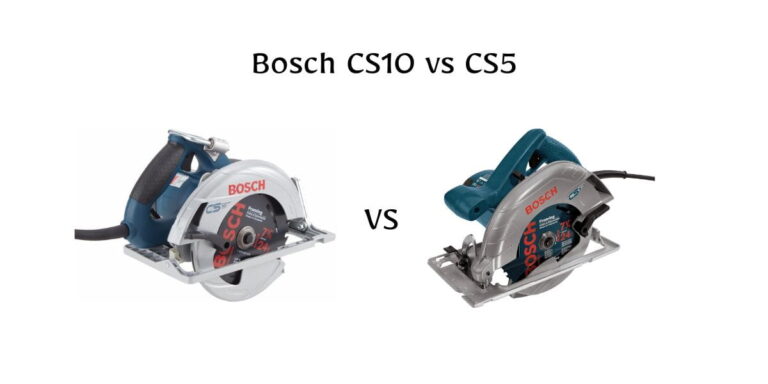
Bosch CS5: A reliable corded saw that’s been around for years. Simple, effective, and affordable.
Best for Professionals
Makita XSH06PT: Comes as a kit with two batteries and a charger. Rear handle design that framers love. Powerful enough for all-day use.
Bosch CSW41: Their wormdrive saw. Incredible torque, perfect for heavy-duty applications, and built like a tank.
Blade Compatibility and Accessories
Good news: both Makita and Bosch use standard 7-1/4″ blades (or 6-1/2″ on compact models). You’re not locked into proprietary blade systems.
This means you can use high-quality Diablo, Freud, or DeWalt blades with either brand.
Makita accessories: They offer track systems, guide rails, and various blade options. Their accessory ecosystem is extensive.
Bosch accessories: Bosch integrates better with their track saw systems. If you plan to use guide rails frequently, Bosch might be the better choice.
Battery Ecosystem: A Crucial Factor
Here’s something people don’t think about enough: battery compatibility.
Both Makita and Bosch have extensive cordless tool lines. If you buy a circular saw from one brand, you’ll probably want to buy other tools from the same brand to share batteries.
Makita’s 18V LXT platform: One of the largest cordless tool ecosystems in the world. Over 300 tools use the same battery. This is a huge advantage.
Bosch’s 18V platform: Also extensive, with around 100+ tools available. Not quite as large as Makita, but still plenty of options.
If you already own tools from one brand, stick with that ecosystem. The battery compatibility will save you money and hassle.
What Professional Contractors Say?
I interviewed several contractors who use both brands daily. Here’s what they told me:
Mike, Framing Contractor (15 years experience): “I’ve got three Makita circular saws. They take abuse and keep cutting. Bosch makes nice tools, but Makita just holds up better on job sites.”
Sarah, Finish Carpenter (8 years experience): “Bosch all day for me. The precision matters when you’re doing trim work. Plus, they’re lighter, which matters when you’re cutting all day.”
James, General Contractor (20 years experience): “Honestly, you can’t go wrong. I have both brands in my shop. Grab whichever one is on sale and matches your other tools.”
The common thread? Both brands have loyal followings for good reasons.
Maintenance and Longevity
Let’s talk about keeping these tools running for years.
Makita Circular Saw Maintenance
The brushless motors require almost no maintenance. Keep the vents clean, lubricate the blade guard mechanism occasionally, and check that the base plate stays flat.
Most Makita saws will last 5-10 years of professional use with basic care.
Bosch Circular Saw Maintenance
Similar story with Bosch. The brushless motors are low-maintenance. Clean the dust collection port regularly, and make sure the blade guard moves freely.
Bosch tools are designed for longevity, and with proper care, you’ll get many years of service.
Parts and Service
Both companies have good warranty support and parts availability. Makita has slightly more service centers in the US, but Bosch support is solid too.
Common Problems and Solutions
No tool is perfect. Here are issues people actually experience:
Makita Issues:
Battery compatibility confusion: Makita has 18V and 40V platforms. Make sure you’re buying the right batteries.
Heavier weight: Some users find them tiring for overhead work. Solution: Take breaks or consider the compact models.
Price: They’re expensive. Solution: Watch for sales or buy refurbished.
Bosch Issues:
Thermal shutdown: The motor protection can be overly sensitive. Solution: Let the saw cool down between heavy cuts.
Less aggressive cutting: Won’t power through as well as Makita. Solution: Use sharp blades and don’t force the saw.
Plastic components: Some feel less durable. Solution: Handle with care and avoid drops.
The Verdict: Makita vs Bosch Circular Saw
After all this testing and research, here’s my final take:
For raw power and heavy-duty use: Makita wins. Their saws are built for punishment and deliver incredible cutting performance.
For precision, comfort, and cleaner work: Bosch wins. They’re better balanced, lighter, and produce cleaner cuts.
For most people: Either brand will serve you well. Choose based on ergonomics, existing tool ecosystem, and which features matter most to you.
Final Thoughts
The Makita vs Bosch circular saw debate doesn’t have a universal winner. Both brands make excellent tools that will last for years.
My suggestion? If possible, hold both in your hands before buying. The ergonomics make a huge difference, and what feels great to me might not feel great to you.
And remember: the best circular saw is the one you’ll actually use. Don’t overthink it. Pick one, learn to use it well, and get building.
What’s your experience with Makita or Bosch circular saws? Drop a comment below and let me know which brand you prefer and why. I’d love to hear from you!
FAQs
Q1. Which is more powerful, Makita or Bosch circular saw?
Makita circular saws generally deliver more raw cutting power, especially their brushless models. They maintain speed better under heavy loads and cut through thick hardwoods more aggressively. Bosch saws have plenty of power for most tasks, but Makita has the edge for heavy-duty professional work.
Q2. Are Bosch circular saws better than Makita for beginners?
Yes, Bosch is often better for beginners. They’re lighter, easier to control, and have better dust collection. The balanced design makes them less fatiguing to use, which matters when you’re still learning proper technique. Plus, the precision features help you make cleaner cuts right from the start.
Q3. Do Makita and Bosch circular saws use the same batteries?
No, they use different battery systems. Makita uses their 18V LXT platform, while Bosch has their own 18V battery system. The batteries are not interchangeable between brands. This is why it’s smart to stick with one brand ecosystem for all your cordless tools.
Q4. Which circular saw has better battery life, Makita or Bosch?
Makita typically offers better battery life and runtime. You’ll get more cuts per charge with Makita batteries, especially on demanding materials. However, both brands provide solid battery performance that will handle most DIY and professional tasks without constant recharging.
Q5. Is Makita or Bosch better for cutting hardwood?
Makita is better for cutting hardwood. Their higher torque and more aggressive motor performance make them ideal for dense materials like oak, maple, or pressure-treated lumber. Bosch can handle hardwood too, but Makita won’t bog down or slow as much during tough cuts.
Q6. Which brand is more durable for job site use?
Both are durable, but Makita has a slight edge for rough job site conditions. They use more metal components and are built to handle drops and abuse better. Bosch uses quality engineered plastics that are durable but may not hold up as well to extreme job site wear over many years.